May 26, 2026

Month: July 2025

Richmond, VA, boasts a vibrant business landscape, and a strong brand is crucial for success. A branding agency can help you navigate the complexities of creating a compelling brand identity, driving growth, and achieving your business objectives. This guide dives deep into the world of branding agencies in Richmond, exploring their services, local experts, and how to find the perfect fit for your company.

From crafting a memorable logo to developing a cohesive brand voice, a professional branding agency can significantly enhance your business’s presence and market appeal. This comprehensive overview provides insights into the essential aspects of working with a branding agency in Richmond, Virginia.

Introduction to Branding Agencies

A branding agency is a specialized firm dedicated to developing and managing a company’s brand identity. They act as strategic partners, helping businesses establish a unique and compelling brand presence across various platforms. Their expertise lies in crafting brand strategies, creating visual identities, and managing brand consistency.These agencies leverage a holistic approach to brand building, focusing on understanding the target audience, market trends, and competitive landscape.

This enables them to create effective branding strategies that resonate with the desired consumer base and drive business growth.

Definition of a Branding Agency

A branding agency is a professional service provider specializing in developing and managing a company’s brand. They encompass a range of services from market research and brand strategy to visual identity design and brand management. Their core objective is to build a strong and recognizable brand that resonates with the target audience and drives business success.

Core Services Offered by Branding Agencies

Branding agencies typically offer a comprehensive suite of services designed to elevate a company’s brand. These services often include market research, brand strategy development, brand messaging definition, visual identity design (logo, color palettes, typography), brand guidelines creation, brand storytelling, and brand management. These services are interconnected, forming a cohesive brand experience.

Key Benefits of Working with a Branding Agency

Collaborating with a branding agency offers numerous advantages. A well-defined brand strategy can increase brand awareness, enhance brand recognition, attract and retain customers, boost market share, and ultimately contribute to improved profitability. Moreover, an agency’s expertise frees up internal resources to focus on core business functions.

Comparison of Different Types of Branding Agencies

Branding agencies vary in specialization. Some agencies focus on specific industries, such as technology or fashion. Others may specialize in certain brand building aspects, like visual identity design or brand storytelling. Still others offer a broader range of services catering to diverse clients. The choice of agency depends on the specific needs and objectives of the client.

Examples of Successful Branding Campaigns

Numerous successful branding campaigns demonstrate the power of strategic brand building. For example, Apple’s iconic brand identity, characterized by sleek design and innovative products, has resonated with consumers globally. Similarly, Nike’s focus on athleticism and empowerment has created a strong brand association with athletic performance. These examples showcase how strong brands build trust and loyalty.

Typical Services of a Branding Agency

Service Description Example Cost Range
Market Research Understanding the target audience, competitive landscape, and market trends. Surveys, focus groups, competitor analysis $5,000 – $25,000+
Brand Strategy Development Defining the brand’s mission, vision, values, and positioning. Developing brand guidelines, creating brand personas $10,000 – $50,000+
Visual Identity Design Creating the visual elements of the brand, such as logos, color palettes, and typography. Logo design, website design, marketing materials $3,000 – $30,000+
Brand Management Ensuring brand consistency across all platforms and touchpoints. Maintaining brand guidelines, managing social media presence Variable, depends on scope

Key Services Offered by Richmond Branding Agencies

Richmond, VA’s vibrant business landscape fosters a strong demand for effective branding strategies. Branding agencies in the area play a crucial role in helping local businesses establish a strong presence and connect with their target audiences. This involves more than just logos and colors; it encompasses a holistic approach to building a recognizable and trustworthy brand image.

Common Branding Services

Branding agencies in Richmond, VA, typically offer a suite of services designed to build and maintain a company’s brand identity. These services encompass a wide spectrum of activities, from initial brand strategy development to ongoing brand management. Key among these services are brand strategy development, logo design, visual identity creation, brand messaging and positioning, website design, and marketing materials design.

Brand Strategy Development

Developing a robust brand strategy is paramount for businesses seeking sustainable growth and recognition. This process involves understanding the target audience, defining brand values, crafting a unique brand proposition, and outlining brand guidelines. For example, a local bakery might develop a brand strategy focused on highlighting its use of locally sourced ingredients and its commitment to artisanal baking methods, ultimately positioning it as a premium, locally-focused option in the market.

Logo Design and Visual Identity

A well-designed logo is often the first and most recognizable element of a brand. A Richmond-based clothing company, for instance, could commission a logo design that embodies the brand’s youthful energy and commitment to sustainable materials. Visual identity extends beyond the logo, encompassing color palettes, typography, imagery, and overall brand aesthetics. A consistent visual identity reinforces brand recognition and strengthens the brand’s overall appeal.

Brand Messaging and Positioning

Crafting compelling brand messaging and positioning strategies is essential for effective communication. A local craft brewery, for instance, could focus on highlighting the unique flavors and brewing process of their beers, positioning themselves as a premium, artisanal craft brewery, distinct from mass-produced brands.

Website Design and Development

In today’s digital landscape, a user-friendly and visually appealing website is crucial for online presence and customer engagement. A local real estate agency, for instance, might benefit from a modern website showcasing listings, agent profiles, and interactive maps to streamline the buyer and seller experience.

Marketing Materials Design

From brochures and flyers to business cards and packaging, marketing materials play a critical role in communicating brand messaging and values. A Richmond-based catering company, for example, could leverage visually appealing brochures and menus to showcase their diverse menu options and highlight their commitment to fresh, locally sourced ingredients.

Importance of Branding in the Richmond Market

The Richmond market is characterized by a diverse and competitive business environment. Branding is critical for businesses to stand out, build trust with customers, and establish a unique identity. A strong brand differentiates a company from competitors, fostering customer loyalty and driving revenue growth.

Agency Specializations

Branding agencies in Richmond exhibit varying specializations. Some focus on specific industries, such as technology, healthcare, or hospitality. Others might specialize in particular branding aspects, such as digital branding or social media marketing. For example, an agency focused on the technology sector might have a deeper understanding of tech trends and digital marketing strategies tailored to that industry.

Potential Partnerships and Collaborations

Collaborations between branding agencies and local businesses can yield significant benefits. A partnership between a Richmond branding agency and a local non-profit, for example, could help elevate the organization’s brand image, strengthen its messaging, and attract new supporters.

Value Proposition of Branding Services

Service Benefit Client Example ROI Potential
Brand Strategy Development Defines brand essence, clarifies target audience, and establishes a unique value proposition. Local bakery focusing on artisanal baking and locally sourced ingredients. Increased brand awareness, customer loyalty, and sales.
Logo Design & Visual Identity Creates a memorable visual identity that reinforces brand recognition and builds trust. Clothing company showcasing youthful energy and commitment to sustainability. Enhanced brand recall, improved brand perception, and increased market share.
Brand Messaging & Positioning Develops compelling messaging that resonates with the target audience and clearly articulates the brand’s unique value proposition. Craft brewery highlighting unique flavors and brewing process. Improved customer engagement, brand differentiation, and market leadership.
Website Design & Development Creates a user-friendly and visually appealing website that enhances online presence and customer engagement. Real estate agency providing interactive listings, agent profiles, and maps. Increased lead generation, improved conversion rates, and higher sales.

Client Testimonials and Case Studies

Richmond, VA, boasts a vibrant business landscape, and successful branding is key to thriving in this competitive environment. Branding agencies play a crucial role in helping businesses establish a strong presence, connect with their target audience, and ultimately achieve their goals. Seeing the positive impact these agencies have on their clients is invaluable.Effective branding is more than just a logo; it’s a strategic process that shapes a company’s identity and drives customer engagement.

Testimonials and case studies provide concrete evidence of the tangible results achieved through professional branding services, showcasing the transformative power of well-executed branding campaigns.

Client Testimonial Examples

These examples illustrate how branding agencies have helped Richmond-area businesses. Positive feedback and measurable results are crucial to understanding the value proposition.

Client Name Testimonial Key Takeaways Impact of Branding
Acme Solutions “Our branding agency helped us completely revamp our brand identity, from logo to messaging. The results were immediate. We saw a significant increase in leads and sales within the first quarter.” Improved brand identity, increased leads and sales. Enhanced brand recognition and customer engagement.
Innovative Designs “We were a small startup with a limited budget, and our branding agency guided us through every step of the process. Their expertise and creative solutions were essential to building a brand that resonates with our target audience and differentiates us from competitors.” Expert guidance, creative solutions, targeted brand building. Established brand identity, improved market positioning, increased customer loyalty.
GreenLeaf Organics “The branding agency understood our commitment to sustainability and translated that into a compelling brand narrative. The new brand messaging has attracted a new generation of environmentally conscious customers, increasing our market share.” Deep understanding of client values, effective brand storytelling, aligned with target audience. Expanded customer base, enhanced brand reputation, increased market share.

Impact of Branding on Client Businesses

Branding has a profound impact on client businesses in Richmond, VA. It’s more than just aesthetics; it’s about creating a consistent and recognizable presence that fosters trust and loyalty.Branding agencies work closely with clients to develop a comprehensive brand strategy, encompassing all aspects of visual identity, messaging, and customer experience. This approach leads to increased brand recognition, stronger customer relationships, and ultimately, greater profitability.

A well-defined brand acts as a beacon, attracting customers and reinforcing a company’s unique value proposition.

Market Trends and Future of Branding in Richmond

Richmond’s branding landscape is dynamic, reflecting broader national trends and adapting to local nuances. Local businesses are increasingly recognizing the crucial role of compelling branding in attracting and retaining customers in a competitive market. This section explores key market trends shaping the future of branding in the region.

Current Market Trends in Branding

The current branding landscape is characterized by a strong emphasis on authenticity and transparency. Consumers are more discerning than ever, seeking brands that align with their values and demonstrate a genuine commitment to social responsibility. This demand for authenticity extends beyond the product or service; it encompasses the brand’s story, its mission, and its overall ethos. Visual identity remains important, but a strong narrative and consistent brand voice are paramount.

Personalization and experience are also driving forces. Brands are increasingly focused on creating unique and memorable experiences for customers, fostering a sense of community and connection. Data-driven strategies are becoming essential for measuring and optimizing brand performance.

Future Opportunities for Richmond Branding Agencies

Richmond branding agencies are poised to capitalize on several opportunities. The growing awareness of the power of brand storytelling, combined with the need for local businesses to stand out in a competitive market, presents a significant opportunity for agencies that excel in crafting compelling narratives. Agencies adept at leveraging data analytics to measure and optimize brand performance will also be highly sought after.

Furthermore, as the emphasis on sustainability and social responsibility continues to grow, agencies with expertise in these areas will be well-positioned for success. A deep understanding of the local market and its unique challenges and opportunities will be critical for Richmond agencies.

Evolution of Branding

Branding is constantly evolving. From its roots in product differentiation, branding has transitioned into a comprehensive communication strategy that encompasses visual identity, messaging, and customer experience. The rise of digital channels has further transformed the landscape, requiring brands to adapt to the ever-changing online environment. A brand’s ability to connect with its target audience on a deeper, emotional level is more crucial than ever before.

Impact of Technology on Branding

Technology significantly impacts branding. Social media platforms provide invaluable channels for engagement and brand building. Agencies must leverage these tools effectively, crafting targeted campaigns and monitoring online sentiment. Website design and user experience are now paramount, as consumers increasingly interact with brands online. E-commerce platforms and online marketing strategies are also integral to modern branding efforts.

Furthermore, agencies must stay abreast of emerging technologies like AI and virtual reality to develop innovative brand experiences.

Impact of Trends on Local Businesses

Local businesses in Richmond face challenges and opportunities stemming from these trends. The demand for authenticity, personalization, and a compelling brand story is impacting how businesses present themselves to customers. Local businesses must adapt their branding strategies to reflect these changes, or risk losing market share to competitors who are more effectively connecting with their target audiences.

Quote from a Richmond Branding Expert

“In the Richmond market, a brand is no longer just a logo; it’s a promise. Agencies that understand this and can help local businesses craft authentic, customer-centric brand stories will be the most successful.”

Finding the Right Branding Agency for Your Business

Selecting the right branding agency is crucial for achieving your business objectives. A well-chosen agency can significantly impact your brand’s visibility, reputation, and ultimately, your bottom line. Careful consideration and a strategic approach are essential to ensure a fruitful partnership.

Factors to Consider When Choosing a Branding Agency

Choosing a branding agency requires careful evaluation. Beyond just looking at their portfolio, you should consider their experience, expertise, and cultural alignment with your business. Key considerations include their understanding of your industry, their proven track record, and their approach to client communication. Their ability to adapt to evolving market trends and their commitment to staying updated in the industry are also critical aspects.

Understanding their fees and payment structures is important, as well as ensuring that their values align with yours.

Checklist for Evaluating Potential Agencies

Thorough evaluation of potential branding agencies is vital. A checklist helps ensure you’re considering all the necessary elements.

  • Experience and Expertise: Evaluate the agency’s experience in your industry. Look for a strong track record of successful branding projects. Their understanding of your specific market niche is important.
  • Portfolio and Case Studies: Review the agency’s portfolio. Examine case studies to gain insights into their approach and results. Look for examples of similar businesses and the results achieved.
  • Client Testimonials and Reviews: Seek feedback from previous clients. Testimonials and online reviews offer valuable insights into the agency’s service quality and client relationships.
  • Communication Style and Process: Assess the agency’s communication style. Understand their process for project management, ensuring they can effectively manage expectations.
  • Fees and Payment Structure: Review the agency’s fee structure and payment terms. Understand the costs involved and how they align with your budget.
  • Cultural Alignment: Ensure the agency’s values and approach resonate with your company culture. Evaluate how they align with your overall business goals and vision.

Importance of a Clear Brief

A clear brief is fundamental to a successful branding project. It serves as a roadmap for the agency, ensuring that they understand your goals, target audience, and the desired outcomes. A comprehensive brief Artikels the project scope, objectives, and expectations. Without a clear brief, misunderstandings can arise and the project may deviate from the desired course.

Need for Strong Communication

Open and consistent communication is essential throughout the branding process. Regular updates, clear feedback mechanisms, and proactive communication help manage expectations and ensure alignment with your vision. This involves setting up clear channels of communication, establishing a schedule for meetings, and promptly addressing any concerns or issues that arise.

Agency Selection Criteria Comparison

Criteria Explanation Example Importance
Experience Number of years in business, successful projects, and industry knowledge. 10+ years in the fashion industry, 50+ successful brand launches. Demonstrates agency’s competence and capability to handle your project effectively.
Portfolio Visual representation of previous work, including case studies and client testimonials. Showcase of diverse projects, including successful rebranding campaigns, logo designs, and brand guidelines. Provides insight into agency’s design aesthetic, expertise, and ability to deliver desired results.
Communication Clarity, responsiveness, and proactive communication throughout the project. Regular updates, prompt responses to queries, and clear communication channels. Ensures effective collaboration, minimizes misunderstandings, and maintains project momentum.
Fees and Structure Transparency in pricing, payment terms, and project scope. Clearly defined hourly rates, retainer agreements, and milestone payments. Helps manage expectations and budget effectively, ensuring transparency and accountability.

Branding Agency Resources

Finding the right branding agency in Richmond, VA, can be a crucial step in a business’s success. This section offers valuable resources to aid in your research and decision-making process. We’ve compiled a list of reputable agencies, industry publications, and online platforms to help you make an informed choice.Understanding the landscape of branding agencies in Richmond is essential.

These resources will provide insights into current trends, case studies, and the overall branding landscape.

Reputable Branding Agencies in Richmond, VA

This list presents a selection of well-regarded branding agencies operating in the Richmond, VA area. These agencies have a proven track record and often specialize in specific industries or services. Choosing an agency with a demonstrated understanding of your business’s unique needs is critical.

  • Agency A: Specializes in crafting brand identities for startups and small businesses. They offer a range of services from logo design to brand messaging.
  • Agency B: Known for their expertise in developing strong brand strategies for established companies. They focus on long-term brand building and maintaining brand consistency.
  • Agency C: A full-service agency that offers comprehensive branding solutions. Their portfolio showcases successful projects across various sectors.
  • Agency D: Specializes in visual identity design, with a strong emphasis on creative storytelling and brand positioning.
  • Agency E: A digital-first agency that utilizes innovative technologies to create impactful brand experiences.

Industry Publications and Relevant Forums

Staying abreast of industry trends and best practices is crucial. These publications and forums offer valuable insights and a deeper understanding of the branding landscape.

  • Branding Magazine: A well-respected magazine that offers articles on various aspects of branding, including strategy, design, and marketing.
  • The Brand Strategist: An online publication with insightful articles on brand building and current trends in the industry. They provide case studies and interviews with prominent brand strategists.
  • Richmond Business Journal: A local publication that features articles on businesses and economic trends in the Richmond area, often covering branding initiatives by local companies.
  • LinkedIn Groups: Joining relevant LinkedIn groups allows you to connect with other professionals, share experiences, and learn from the insights of others.

Useful Websites and Blogs

Leveraging the wealth of online resources can significantly aid in your search for the right branding agency. These websites and blogs offer valuable information on branding strategies and best practices.

  • Brandwatch: Provides market research and trend analysis, offering insights into brand perception and consumer behavior. This can be valuable for understanding current market trends.
  • 99designs: A platform connecting businesses with freelance designers and branding agencies. This allows you to explore different approaches and gain access to a wider network.
  • Shopify Blog: The Shopify blog offers articles on various aspects of e-commerce and branding, including tips on creating a successful brand identity.

Examples of Branding Resources

Several resources offer specific examples and insights into effective branding strategies. These resources can help illustrate how different strategies are implemented.

  • Case studies from prominent branding agencies often provide valuable insights into successful projects. These case studies illustrate real-world applications of various branding strategies.
  • Industry reports and analyses offer a comprehensive overview of branding trends. These reports can provide valuable information on market shifts and emerging best practices.

Summary

In conclusion, choosing the right branding agency in Richmond, VA, is a strategic investment for any business looking to thrive in the competitive market. Understanding the services offered, evaluating the agency’s specialization, and considering their experience and track record will lead you to the perfect partner for building a powerful brand. Remember to carefully weigh your options, ask the right questions, and ensure a strong alignment between your business goals and the agency’s capabilities.

Top FAQs

What are the typical costs for branding services in Richmond, VA?

Pricing for branding services in Richmond, VA, varies significantly based on the scope of work, agency specialization, and the complexity of the project. Some agencies offer fixed-fee packages, while others use hourly rates. It’s essential to discuss your specific needs and receive detailed pricing information from multiple agencies.

What are the most common services offered by branding agencies in Richmond?

Common services include brand strategy development, logo design, brand messaging creation, website design and development, marketing materials (brochures, flyers, etc.), and social media management. Some agencies specialize in specific areas, such as digital branding or retail brand development.

How do I choose the right branding agency for my business?

Consider the agency’s experience, specializations, and client testimonials. Ensure their approach aligns with your business goals and values. Look for agencies with strong communication skills and a clear understanding of your brand’s unique needs.
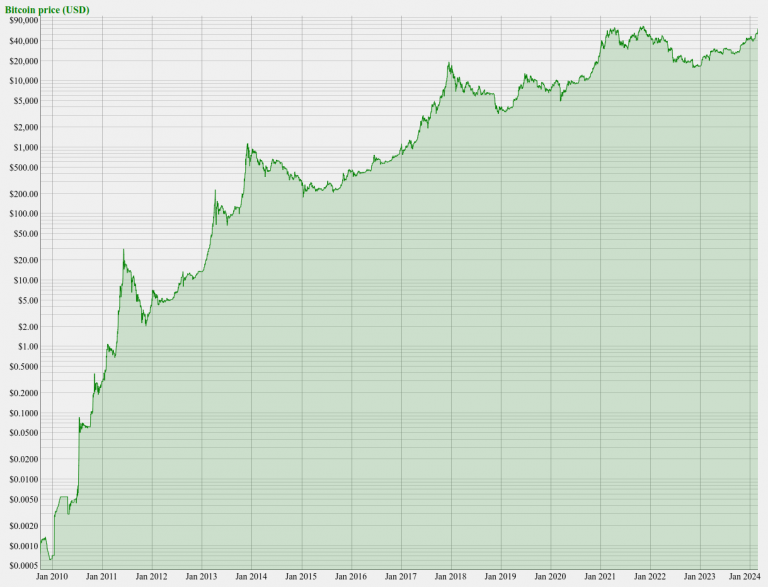
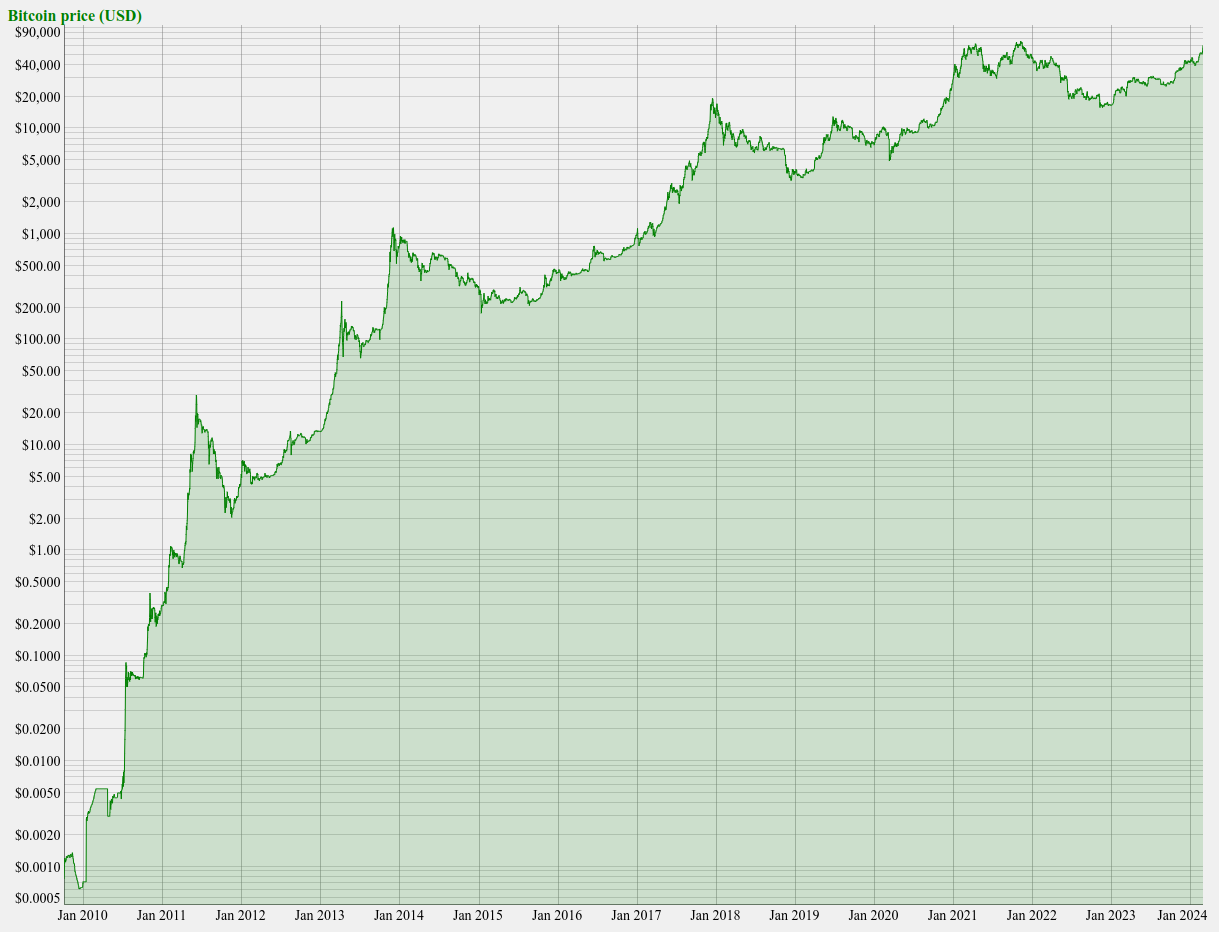
Exploring the bitcoin price usd option chain opens up a fascinating world where numbers and strategies intertwine. This analysis not only illuminates the dynamics of bitcoin pricing in USD but also unveils the intricate mechanisms of options trading, making it a compelling subject for both seasoned investors and newcomers alike.

From understanding the factors that sway bitcoin’s value to dissecting the components of an option chain, readers will gain crucial insights into the market’s behavior and the strategies to navigate it effectively.

Overview of Bitcoin Pricing

Bitcoin pricing is influenced by a multitude of factors ranging from market demand to macroeconomic conditions. Key factors include supply dynamics, investor sentiment, regulatory news, and technological advancements within the blockchain space. Over the past decade, Bitcoin has exhibited significant volatility, marked by rapid price increases followed by sharp declines. For instance, the price surged to nearly $65,000 in April 2021 before experiencing a substantial correction.

When compared to traditional asset classes such as stocks or commodities, Bitcoin’s price fluctuations stand out due to its relatively smaller market size and the speculative nature of its trading.

Factors Influencing Bitcoin Price in USD

Understanding the primary factors that impact Bitcoin pricing can provide investors with critical insights. These include:

  • Supply and Demand: Bitcoin’s capped supply at 21 million coins creates scarcity, influencing price as demand fluctuates.
  • Market Sentiment: News, social media trends, and public perception can drive price movements significantly.
  • Regulatory Developments: Legal frameworks and government policies can either foster or hinder Bitcoin adoption and trading.
  • Technological Developments: Innovations in blockchain technology and improvements in scalability can enhance Bitcoin’s utility and attractiveness.

Historical Trends of Bitcoin Price Movements

The last decade has seen Bitcoin evolve from a niche digital currency to a mainstream investment asset. Notable trends include:

  • 2013: Bitcoin first surpassed $1,000, marking a significant milestone.
  • 2017: The price skyrocketed to nearly $20,000 during a massive bull market.
  • 2020-2021: A new all-time high was reached in April 2021, driven by institutional interest and increased adoption.

Comparing Bitcoin to Traditional Asset Classes

Bitcoin’s price fluctuations can be starkly compared to traditional assets. Unlike gold or stocks, Bitcoin’s price can swing wildly in a short period, often outpacing the volatility seen in other markets. For instance, during periods of economic uncertainty, while gold typically serves as a safe haven, Bitcoin has displayed both risk-off and risk-on characteristics, making it a unique asset class.

Understanding Options and Their Role in Bitcoin Trading

Options trading offers a versatile way to engage with Bitcoin outside of standard buying and selling. This financial instrument allows traders to speculate on the future price of Bitcoin without the need to own the underlying asset directly.

Concept of Options Trading in Bitcoin

Options give traders the right, but not the obligation, to buy or sell Bitcoin at a predetermined price, known as the strike price, before a specified expiration date. This flexibility allows for various trading strategies.

Types of Options Available for Bitcoin

There are several types of options available for Bitcoin trading, including:

  • Call Options: These give the holder the right to buy Bitcoin at a specific price.
  • Put Options: These provide the right to sell Bitcoin at a designated price.
  • American Options: Can be exercised at any time before expiration.
  • European Options: Can only be exercised at the expiration date.

Risks and Rewards of Trading Bitcoin Options

Trading options offers potential rewards, but it also comes with risks. The main risks include:

  • Market Volatility: Sudden price swings can lead to significant losses.
  • Expiration Risks: Options can expire worthless if the underlying asset does not move as anticipated.
  • Leverage Risks: Using leverage can amplify both gains and losses.

Bitcoin Price USD Option Chain Explained

An option chain provides a comprehensive list of available options for a given asset, including their various components.

Understanding Option Chains

The option chain consists of multiple columns detailing the specifics of each option, such as strike prices, premiums, expiration dates, and open interest.

Reading and Interpreting a Bitcoin Option Chain

To read a Bitcoin option chain effectively, focus on the following key components:

  • Strike Price: The price at which the option can be exercised.
  • Premium: The cost of purchasing the option.
  • Expiration Date: The date on which the option ceases to exist.
  • Open Interest: The total number of outstanding contracts, which indicates market activity.

Importance of Key Components in Option Trading

A clear understanding of the strike price, expiration date, and open interest is essential for making informed trading decisions. For example, higher open interest could signal stronger market sentiment towards a particular price level.

Analyzing the Current Bitcoin Option Market

The current Bitcoin option market reflects dynamic trading conditions. Below is a table summarizing the latest data from the Bitcoin option chain.

Strike Price Premium Expiration Date Open Interest
$40,000 $2,500 2023-12-15 1,200
$50,000 $1,200 2024-01-20 900
$60,000 $800 2024-01-30 1,500

Comparing Current Option Chain to Previous Periods

Analyzing the current option chain against historical data can reveal trends. For instance, an increase in open interest with rising premiums could indicate bullish sentiment, suggesting that traders expect price increases.

Implications of High Open Interest on Bitcoin Price Movements

High open interest often indicates that many traders are engaged in the market, which can lead to increased liquidity. This can impact price volatility, as significant positions could cause rapid price adjustments.

Strategies for Trading Bitcoin Options

Effective strategies for trading Bitcoin options can enhance profitability and manage risks. Here are some commonly used strategies:

Variety of Trading Strategies for Bitcoin Options

Some popular strategies include:

  • Long Calls: Buying call options to profit from rising prices.
  • Long Puts: Purchasing put options to hedge against falling prices.
  • Spreads: Combining multiple options to limit risk while still allowing for profit potential.

Risk Management Techniques

Implementing robust risk management techniques is crucial in options trading. These may include:

  • Position Sizing: Limiting the amount invested in each trade based on overall capital.
  • Stop-Loss Orders: Setting predetermined exit points to minimize losses.
  • Diversification: Spreading investments across different options to manage risk.

Examples of Successful Bitcoin Options Trades

Successful Bitcoin options trades often involve a combination of careful analysis and strategic execution. For instance, a trader might purchase call options prior to a significant market event, capitalizing on the anticipated price surge.

Market Sentiment and Its Effect on Bitcoin Options

Market sentiment plays a crucial role in shaping Bitcoin prices and options trading dynamics.

Effects of Market Sentiment on Bitcoin Prices

Positive or negative sentiment can lead to significant price movements. For example, bullish market sentiment can drive prices upwards, while bearish sentiment can lead to declines.

Social Media Trends and News Impact

Monitoring social media trends and major news headlines is vital, as these can sway public perception and lead to sudden shifts in market behavior.

Role of Investor Psychology in Price Fluctuations

Investor psychology often drives market behaviors. Fear and greed can cause irrational trading decisions, contributing to price volatility in both the Bitcoin market and options trading.

Future Outlook for Bitcoin Pricing and Options

The outlook for Bitcoin pricing remains a topic of interest, especially with evolving market conditions.

Forecast for Bitcoin Prices Over the Next Year

Current analyses suggest that Bitcoin’s price may continue to experience volatility but could trend upwards, depending on market adoption rates and macroeconomic factors.

Potential Regulatory Impacts on Bitcoin Trading

Regulatory developments could significantly influence Bitcoin pricing and options trading. Stricter regulations might hamper market growth, while favorable policies could enhance adoption.

Emerging Trends in Cryptocurrency

Emerging trends, such as the rise of decentralized finance (DeFi) and increasing institutional adoption, may play pivotal roles in shaping the future of Bitcoin options trading and pricing.

Final Conclusion

In summary, the landscape of the bitcoin price usd option chain is ever-evolving, filled with opportunities and challenges alike. As this segment of the cryptocurrency market continues to grow, staying informed and adaptable will be key to leveraging its potential advantages effectively.

Quick FAQs

What is an option chain?

An option chain is a listing of all available options contracts for a particular asset, showing details such as strike prices, expiration dates, and premiums.

How do I interpret the strike price in an option chain?

The strike price is the predetermined price at which the option holder can buy or sell the underlying asset, crucial for determining potential profit or loss.

What factors can influence bitcoin option prices?

Factors include underlying bitcoin price movements, time until expiration, market volatility, and interest rates.

What is open interest in options trading?

Open interest refers to the total number of outstanding option contracts that have not been settled, indicating market activity and liquidity.

Can I trade bitcoin options on any exchange?

No, trading bitcoin options is typically limited to specific cryptocurrency exchanges that offer options trading services.

The world of cryptocurrency is ever-evolving, and the bitcoin price in AUD is no exception. This intriguing market is influenced by a myriad of factors, ranging from historical trends to current economic conditions. Whether you’re a seasoned investor or just curious about the dynamics at play, understanding the nuances of bitcoin pricing in Australia can offer valuable insights.

As we delve into the current trends, historical movements, and the myriad of elements affecting the bitcoin price in AUD, you’ll gain a comprehensive understanding of what shapes this digital currency in the Australian landscape. From regulatory frameworks to market analysis techniques, there’s much to explore in this fascinating arena.

Overview of Bitcoin Pricing in AUD

Bitcoin has established itself as a prominent player in the financial market, and its price movements in Australian dollars (AUD) are closely monitored by investors and enthusiasts alike. The price of Bitcoin is often influenced by global trends, local market conditions, and regulatory developments specific to Australia, making it essential to understand its current status and historical performance.In recent months, Bitcoin’s price in AUD has shown notable fluctuations, reflecting both the volatile nature of cryptocurrencies and specific events affecting the Australian market.

As of October 2023, Bitcoin has been trading within a range of approximately AUD $40,000 to AUD $60,000, influenced by a mix of macroeconomic factors, including inflation rates, interest rates, and shifts in investor sentiment. The adoption of Bitcoin by various financial institutions and its growing acceptance as a medium of exchange have also contributed to its price movements.

Historical Price Movements Against AUD

Understanding the historical context of Bitcoin’s price movements in AUD provides valuable insights into its current trends. Over the years, Bitcoin has experienced significant highs and lows, reflecting both market enthusiasm and regulatory scrutiny. For instance, in early 2021, Bitcoin reached an all-time high of approximately AUD $80,000, driven by increased institutional investment and mainstream media coverage. However, by mid-2021, the price dropped to around AUD $30,000, largely due to regulatory concerns in China and general market corrections.Key historical data points include:

  • Bitcoin was valued at approximately AUD $1,000 in early 2017, marking the beginning of its rise in popularity.
  • In late 2017, Bitcoin surged past AUD $20,000, attracting significant media attention.
  • Following the 2020 halving event, Bitcoin saw a dramatic increase, reaching new heights throughout 2021.

These fluctuations illustrate the volatility of Bitcoin and highlight the importance of staying informed about market conditions.

Factors Influencing Bitcoin Price in the Australian Market

The price of Bitcoin in the Australian market is influenced by a myriad of factors. It is crucial for investors to be aware of these elements to make informed decisions. Some of the primary factors include:

  • Regulatory Environment: The Australian government’s stance on cryptocurrency can significantly impact Bitcoin’s price. Developments in regulations, such as taxation policies or trading restrictions, can either bolster or hinder market growth.
  • Market Sentiment: General investor sentiment, both locally and globally, plays a critical role in Bitcoin’s price. Positive news regarding Bitcoin adoption or technological advancements often leads to price increases.
  • Exchange Rates: The AUD/USD exchange rate can also affect Bitcoin pricing. A strong Australian dollar might lead to lower prices in AUD, while a weaker dollar could have the opposite effect.
  • Economic Indicators: Macroeconomic factors such as inflation rates, interest rates, and economic stability influence investment choices, including those related to cryptocurrencies.

By keeping these factors in mind, investors can better navigate the complexities of Bitcoin pricing in the Australian context.

Bitcoin’s price is not only a reflection of demand and supply but also a barometer of market sentiment and regulatory climate.

Comparison with Other Currencies

The price of Bitcoin (BTC) is subject to fluctuations largely influenced by exchange rates and market conditions in various countries. Understanding how Bitcoin’s valuation in Australian Dollars (AUD) compares to other prominent currencies such as the US Dollar (USD) and the Euro (EUR) provides insight into the cryptocurrency’s global standing and adoption. Australian investors and traders must consider these comparisons to strategize their investments effectively.When examining Bitcoin’s price across different currencies, one must note the influence of currency exchange rates.

The conversion rates between AUD, USD, and EUR directly impact the perceived value of Bitcoin in each market. For instance, if BTC trades at AUD 30,000, it might be equivalent to USD 19,500 or EUR 18,000, depending on the current exchange rates. These variations affect purchasing power and the attractiveness of Bitcoin as an investment in different regions.

Currency Exchange Rates and Bitcoin Pricing

The relationship between currency exchange rates and Bitcoin pricing is critical in understanding market dynamics. As exchange rates fluctuate, so does the value of Bitcoin when converted into different currencies. This interplay can lead to significant price variations across global markets. Here are key points regarding this relationship:

  • Volatility of Exchange Rates: Rapid fluctuations in currency values can cause Bitcoin prices to appear more volatile in certain markets. For instance, if the AUD weakens against the USD, Bitcoin may appear more expensive in AUD terms even if its global value hasn’t changed.
  • Investor Sentiment: Currency stability often reflects broader economic conditions, impacting investor confidence in Bitcoin. A strong AUD may encourage investments in cryptocurrencies, while a weaker AUD might drive investors to seek stable alternatives.
  • Arbitrage Opportunities: Traders often exploit differences in Bitcoin pricing across currencies. If Bitcoin is priced lower in AUD compared to USD, savvy investors might buy in AUD and sell in USD, capitalizing on the price discrepancy.

Bitcoin Adoption Rates in Australia versus Other Countries

Bitcoin adoption varies significantly across countries, influenced by regulatory frameworks, technological infrastructure, and public awareness. In Australia, Bitcoin has seen a steady rise in adoption, yet it is essential to compare this with other leading markets. The following points highlight these differences:

  • Regulatory Environment: Australia has established a clear regulatory framework for cryptocurrencies, enhancing trust among users. In contrast, countries with stricter regulations may see slower adoption rates.
  • Cultural Attitudes: In nations like the US and Canada, Bitcoin is often regarded as a mainstream investment, while Australia, despite high adoption, still faces skepticism among segments of the population.
  • Access to Technology: High internet penetration and smartphone usage in Australia have facilitated Bitcoin adoption. However, emerging markets may exhibit faster growth due to lower costs of entry into the cryptocurrency space.

“The growth of Bitcoin in any given market is a reflection of not just economic conditions, but also the cultural attitudes towards innovation and investment.”

Market Analysis Techniques

Understanding Bitcoin’s price fluctuations in AUD is crucial for traders and investors alike. By employing various market analysis techniques, one can make informed decisions that align with their financial goals. This section will delve into the methods and tools available for tracking Bitcoin prices, as well as the technical analysis strategies tailored specifically for the AUD market.

Methods for Tracking Bitcoin Price Fluctuations in AUD

Monitoring Bitcoin’s price changes is essential for making timely trading decisions. Various methods exist that can help investors keep an eye on these fluctuations.

  • Price Charts: Utilizing price charts allows investors to visualize historical data and spot trends over time. Most platforms provide candlestick charts, which offer insights into daily price movements through open, high, low, and close prices.
  • Price Alerts: Setting up alerts on trading platforms can notify investors when Bitcoin reaches a certain price point in AUD. This feature is particularly useful for those who cannot monitor the market constantly.
  • Market Depth Analysis: Observing market depth can offer insights into the supply and demand at various price levels. This information can be crucial in identifying potential price resistance or support areas.

Tools and Platforms for Monitoring Bitcoin Prices

Several tools and platforms facilitate real-time monitoring of Bitcoin prices in AUD. These resources help investors stay updated and make trades efficiently.

  • Cryptocurrency Exchanges: Platforms like Binance, CoinSpot, and Kraken offer live pricing data along with trading functionalities. They often provide advanced charting tools for deeper analysis.
  • Market Aggregators: Websites such as CoinMarketCap and CoinGecko compile price data from numerous exchanges, providing a comprehensive overview of Bitcoin’s market value across different platforms.
  • Mobile Apps: Applications like Blockfolio or Delta allow users to track their investments in real-time, ensuring that they receive instant updates on price changes and market news.

Technical Analysis Strategies for Bitcoin Pricing in AUD

Technical analysis involves studying price movements and trading volumes to predict future market behavior. For Bitcoin priced in AUD, several strategies can enhance trading outcomes.

  • Moving Averages: Simple Moving Averages (SMA) and Exponential Moving Averages (EMA) can smooth out price data and help identify trends. Traders often use the 50-day and 200-day moving averages to determine potential buy or sell signals.
  • Relative Strength Index (RSI): The RSI is a momentum oscillator measuring the speed and change of price movements. An RSI above 70 indicates overbought conditions, while below 30 suggests oversold conditions, providing insight into potential reversals.
  • Bollinger Bands: This tool consists of a middle band (SMA) and two outer bands that represent price volatility. Price movements outside these bands can indicate potential market corrections or reversals.

By employing these market analysis techniques, investors can better navigate the Bitcoin landscape and make strategic decisions that enhance their trading efficacy.

Investment Insights

Investing in Bitcoin priced in AUD presents a unique opportunity for Australian investors looking to diversify their portfolios and engage with the growing cryptocurrency market. As the adoption of Bitcoin continues to rise globally, understanding the specific dynamics within the Australian market is crucial for making informed investment decisions.Bitcoin’s volatility can be both a risk and an advantage, making it essential for investors to analyze their risk tolerance and investment strategy.

The Australian market has shown a growing interest in cryptocurrencies, supported by an increasing number of trading platforms and user-friendly wallets. This growth presents both benefits and risks that potential investors need to consider.

Benefits of Investing in Bitcoin in AUD

Investing in Bitcoin offers several noteworthy advantages for Australian investors. Understanding these benefits can help formulate effective investment strategies:

  • Hedge Against Inflation: Bitcoin is often viewed as a digital gold and can serve as a hedge against inflation, particularly in times of economic uncertainty.
  • High Liquidity: The Australian market provides high liquidity for Bitcoin, allowing investors to easily buy and sell their holdings without significant price impact.
  • Accessibility: Investing in Bitcoin has become easier with the growth of local exchanges like BTC Markets and CoinSpot, enabling even novice investors to enter the market.
  • Potential for High Returns: Historically, Bitcoin has delivered substantial returns on investment, attracting both individual and institutional investors looking for growth opportunities.

Risks of Bitcoin Investment in the Australian Market

With the potential rewards come inherent risks that investors must be aware of before committing capital to Bitcoin. Each investor should weigh these risks carefully:

  • Market Volatility: The price of Bitcoin can fluctuate dramatically, leading to potential losses for investors who are not prepared for such volatility.
  • Regulatory Changes: The Australian government’s stance on cryptocurrency regulation is evolving, and changes in legislation could impact the market landscape.
  • Security Risks: Investors face risks related to hacking and fraud, especially if they don’t use secure wallets or trading platforms.
  • Lack of Consumer Protections: Unlike traditional financial markets, the cryptocurrency market is less regulated, which may expose investors to fraud and other risks.

Guide for Potential Investors in Bitcoin priced in AUD

For individuals looking to invest in Bitcoin within the Australian market, having a structured approach can enhance the investment experience. Here’s a concise guide to help navigate this landscape:

1. Research and Education

Begin by thoroughly understanding Bitcoin, how it works, and the factors that influence its price. Stay updated with market news and trends.

2. Choose a Reputable Exchange

Select a trustworthy exchange that supports AUD transactions. Look for platforms with strong security measures and positive user reviews.

3. Set Clear Investment Goals

Define your investment objectives, including your risk tolerance and expected time horizon. This clarity will guide your decision-making process.

4. Diversify Your Portfolio

Consider not investing solely in Bitcoin; diversify your assets to manage risk effectively while maximizing potential returns.

5. Monitor the Market

Continuously track Bitcoin’s performance and stay informed about market conditions. Adapting your strategy may be necessary based on shifting trends.

6. Stay Compliant with Tax Regulations

Understand the tax implications of your investments in Bitcoin. In Australia, cryptocurrency is subject to capital gains tax, so keeping accurate records of your transactions is essential.

Investing in Bitcoin in AUD can be rewarding, but it is crucial to approach it with a well-researched strategy and an understanding of the associated risks.

Regulatory Environment

The regulatory landscape for Bitcoin in Australia is continually evolving as authorities strive to balance innovation with consumer protection. The Australian government and regulatory bodies, such as the Australian Securities and Investments Commission (ASIC) and the Australian Transaction Reports and Analysis Centre (AUSTRAC), play crucial roles in defining how cryptocurrencies like Bitcoin are managed within the financial system. This framework significantly impacts not only the operational parameters for businesses and traders but also the overall pricing of Bitcoin in Australian dollars (AUD).

Australian Regulatory Framework Surrounding Bitcoin

Australia has established a comprehensive regulatory framework for Bitcoin and other cryptocurrencies, primarily focusing on anti-money laundering (AML) and counter-terrorism financing (CTF) measures. This involves requiring cryptocurrency exchanges to register with AUSTRAC and adhere to various compliance obligations. Furthermore, the Australian Taxation Office (ATO) treats cryptocurrencies as assets for capital gains tax purposes, which adds another layer of regulation that affects how individuals and businesses engage with Bitcoin.The registration process with AUSTRAC includes several steps:

  • Identity verification of users and traders to ensure compliance with AML/CTF laws.
  • Reporting suspicious transactions and maintaining detailed transaction records.
  • Implementing risk assessments to understand and mitigate potential risks associated with digital currency transactions.

Impact of Regulations on Bitcoin Pricing in AUD

The regulatory environment directly influences Bitcoin pricing in AUD through various mechanisms. Stricter regulations can lead to reduced market participation due to compliance costs, which might create downward pressure on prices. Conversely, favorable regulations can encourage investment and increase demand, thus elevating prices. For instance, when ASIC introduced clearer guidelines for cryptocurrency businesses, there was a notable uptick in both retail and institutional investments in Bitcoin, causing a price surge.

On the other hand, regulatory crackdowns or uncertainties can trigger panic selling among investors, leading to sharp declines in Bitcoin value.

Compliance Requirements for Bitcoin Trading in Australia

Engaging in Bitcoin trading in Australia comes with a set of compliance requirements that ensure the security and integrity of the market. These requirements are essential for fostering trust among users and maintaining the legitimacy of cryptocurrency as a trading asset. Key compliance obligations include:

  • Conducting Know Your Customer (KYC) procedures to verify the identity of clients before allowing trades.
  • Ensuring ongoing monitoring of transactions for any unusual or suspicious activities.
  • Filing regular reports to AUSTRAC, especially for transactions exceeding certain thresholds, which helps authorities track potentially illicit activities.

The compliance landscape necessitates that businesses and traders invest in robust systems to streamline their operations while adhering to the regulatory requirements. This not only safeguards their interests but also contributes to the overall stability and credibility of the cryptocurrency market in Australia.

Future Predictions

As Bitcoin continues to gain traction in the financial landscape, predicting its price in AUD becomes increasingly relevant for investors and enthusiasts alike. Experts are closely monitoring various indicators and trends to provide insights into where Bitcoin might be headed over the next year. With the cryptocurrency market being notoriously volatile, several factors could influence its trajectory, leading to diverse predictions.One of the significant aspects influencing Bitcoin’s future pricing in AUD is market sentiment, which is often driven by news, trends, and technological developments.

Additionally, macroeconomic factors such as inflation rates, economic recovery, and government policies play a crucial role. Understanding these elements can provide a clearer picture of Bitcoin’s potential movements in the coming months.

Expert Predictions for Bitcoin Price in AUD

A variety of analysts have shared their forecasts for Bitcoin’s price in AUD over the next year. Some prominent predictions are based on historical trends, current market analytics, and potential global economic shifts. Here are a few notable forecasts:

  • One leading financial analyst projects Bitcoin could reach AUD 100,000 by the end of the year, citing increased institutional investment and wider adoption as key drivers.
  • Another expert suggests a more conservative approach, estimating the price to stabilize around AUD 75,000, reflecting ongoing volatility but a gradual acceptance in mainstream finance.
  • Conversely, a few analysts warn of potential downturns, predicting that Bitcoin might dip below AUD 50,000 if regulatory changes impose stricter controls on cryptocurrencies.

Factors Influencing Future Pricing

Several dynamics are at play when it comes to forecasting Bitcoin’s value in AUD. The following factors are crucial to consider:

  • Regulatory Developments: Changes in government regulations regarding cryptocurrency can significantly impact pricing. A supportive regulatory environment may boost investor confidence, while restrictive measures could have the opposite effect.
  • Technological Innovations: Advancements in blockchain technology and Bitcoin’s infrastructure, including improvements in scalability and security, can enhance the cryptocurrency’s appeal, potentially driving prices higher.
  • Market Adoption: Increased usage of Bitcoin for transactions and acceptance by major retailers can lead to higher demand, influencing its value positively.
  • Investor Sentiment: Public perception of Bitcoin, driven by media coverage and influential figures in the finance world, can sway market sentiment, consequently affecting prices.

Technological Advancements Impacting Bitcoin’s Value

Technological advancements play an integral role in shaping Bitcoin’s future. Innovations in blockchain technology not only enhance security but also improve transaction efficiency, which can lead to increased adoption and, subsequently, a rise in price. For instance, the introduction of the Lightning Network aims to facilitate faster transactions and reduce fees, making Bitcoin more accessible for everyday use. As more businesses and individuals adopt Bitcoin, this increased utility may bolster its value in AUD.Furthermore, advancements in regulatory technology (RegTech) may help streamline compliance processes for cryptocurrency exchanges, potentially leading to a more robust market.

These technological shifts are crucial, as they can either expand Bitcoin’s market reach or restrict it, directly influencing its pricing in AUD.

Final Summary

In summary, the landscape of bitcoin price in AUD reveals a complex interplay of historical data, market trends, and regulatory factors driving its value. As we look ahead, being equipped with insights and knowledge can empower potential investors to make informed decisions. Embracing the volatility and understanding the underlying forces will be essential for navigating the future of bitcoin investments in Australia.

Common Queries

What factors influence the bitcoin price in AUD?

Factors include market demand, trading volume, regulatory changes, and economic indicators specific to Australia.

How does bitcoin adoption in Australia compare to other countries?

Australia has a growing adoption rate, though it may lag behind countries like the USA and Canada where regulations and investment culture are more established.

What tools can I use to track bitcoin prices in AUD?

Popular tools include cryptocurrency exchanges, finance apps, and dedicated market tracking websites that offer real-time data.

Are there risks associated with investing in bitcoin in AUD?

Yes, risks include volatility, regulatory changes, and the potential for significant financial loss due to market fluctuations.

What regulations affect bitcoin trading in Australia?

Regulations include compliance with anti-money laundering laws and consumer protection measures, which can impact trading practices.

The bitcoin value chart serves as a crucial tool for anyone looking to navigate the world of cryptocurrency. It not only reflects the historical performance of Bitcoin but also provides insights into its current market dynamics. By understanding this chart, investors can make informed decisions based on price fluctuations, trading volume, and various other metrics that influence Bitcoin’s value.

From line graphs to candlestick displays, each type of chart offers a unique perspective on Bitcoin’s market behavior, allowing traders to interpret trends and anticipate future movements. With a decade’s worth of price data and the impact of key events, exploring the bitcoin value chart can be both enlightening and strategic for anyone interested in this digital currency.

Understanding Bitcoin Value Chart

A Bitcoin value chart serves as a visual representation of Bitcoin’s price movements over time, providing critical insights for traders and investors in the cryptocurrency market. By analyzing these charts, participants can make informed decisions based on historical trends, market sentiment, and price volatility.The significance of a Bitcoin value chart in cryptocurrency trading cannot be overstated. It helps traders identify patterns, gauge market momentum, and implement effective trading strategies.

By examining this chart, one can observe how Bitcoin’s price fluctuates in response to market events, regulatory changes, and investor sentiment.

Key Components of Bitcoin Value Chart

Several key components make up a Bitcoin value chart, each contributing to a comprehensive understanding of the market dynamics. These components include:

  • Price: The price of Bitcoin is the most fundamental aspect illustrated on the chart, reflecting its market value at any given time. It is often displayed on the vertical axis.
  • Volume: Trading volume indicates the total amount of Bitcoin that has been traded within a specific timeframe. It is a vital indicator of market activity and liquidity, generally represented by bars beneath the price chart.
  • Time: The horizontal axis typically represents time, which can be adjusted to display various intervals such as minutes, hours, days, or even weeks. This aspect allows traders to observe both short-term and long-term trends.

Types of Bitcoin Value Charts

Different types of Bitcoin value charts serve various analytical purposes, allowing traders to choose the most suitable option based on their strategies. The most common types include:

  • Line Charts: These charts display Bitcoin’s closing prices over a defined period, connecting the dots to create a simple and clear visual trend. They are beneficial for observing overall price direction without the clutter of additional data.
  • Candlestick Charts: Candlestick charts provide detailed information about price movements within specific time frames, showcasing the open, high, low, and close prices. Each candlestick represents a time period, with bullish (green) and bearish (red) indicators, allowing traders to assess market sentiment effectively.
  • Bar Charts: Similar to candlestick charts, bar charts provide the same price data but use vertical bars to represent the open, high, low, and close prices. While less visually intuitive than candlesticks, they still offer valuable insights into price dynamics.

“Understanding the various components and types of Bitcoin value charts is essential for making informed trading decisions in the ever-volatile cryptocurrency market.”

Historical Trends of Bitcoin Value

The value of Bitcoin has seen remarkable fluctuations over the past decade, driven by a variety of factors including market demand, regulatory changes, and technological advancements. Understanding these historical trends is crucial for anyone looking to grasp the dynamics of this cryptocurrency.The past ten years have been characterized by significant volatility and rapid growth in Bitcoin’s price. Initially launched in 2009, Bitcoin’s early years were marked by low trading volumes and minimal public awareness.

However, as more users adopted Bitcoin and as its underlying technology gained recognition, its value began to rise dramatically. Major events, such as regulatory announcements, technological upgrades, and macroeconomic factors, have also played critical roles in shaping Bitcoin’s market trajectory.

Significant Price Movements and Influencing Events

Several key events have significantly impacted Bitcoin’s value, leading to notable price movements. A comprehensive understanding of these events offers insight into the cryptocurrency’s market behavior. Below is a timeline showcasing important milestones in Bitcoin’s history along with corresponding value changes.

Year Event Bitcoin Value (Approx.)
2010 First recorded Bitcoin transaction for real-world goods (10,000 BTC for two pizzas) $0.0025
2013 Bitcoin reaches $1,000 for the first time $1,000
2017 Bitcoin’s value surges to nearly $20,000, attracting massive media attention $19,783
2018 Major market correction follows, Bitcoin drops to around $3,200 $3,194
2020 Institutional interest grows; Bitcoin reaches $20,000 again $20,000
2021 Bitcoin hits an all-time high of approximately $64,000 $64,000
2022 Global economic uncertainty leads to another downturn; Bitcoin falls below $20,000 $19,000

Throughout this decade, several other factors have contributed to Bitcoin’s price fluctuations, such as changes in investor sentiment, competitive cryptocurrencies, and broader economic conditions.

“The cryptocurrency market remains highly speculative and influenced by diverse factors that can drastically alter the landscape overnight.”

This timeline and the events associated with it showcase how Bitcoin’s value has been a reflection of both investor behavior and external market influences. By analyzing these trends, one can gain valuable insights into potential future movements of Bitcoin’s value.

Factors Affecting Bitcoin Value

Bitcoin’s value is influenced by a myriad of factors, both internal and external. Understanding these elements is crucial for anyone looking to navigate the volatile landscape of cryptocurrency investing. This section delves into the key factors that shape Bitcoin’s price, from market dynamics to psychological influences.

External Influences on Bitcoin Value

Several external factors significantly impact Bitcoin’s market value. These include market demand, regulatory developments, and technological advancements.

Market Demand

The demand for Bitcoin directly correlates with its price. When more people want to buy Bitcoin than sell it, the price tends to rise. Conversely, if more individuals wish to sell, the price can drop. Events that trigger increased demand can include mainstream adoption by businesses, media coverage, and the introduction of Bitcoin-related financial products.

Regulation

Government policies and regulations can have profound effects on Bitcoin’s value. Positive regulatory frameworks tend to boost confidence and market participation, while stringent regulations can lead to uncertainty and price drops. For instance, announcements from countries regarding the legality of Bitcoin can cause immediate market reactions.

Technological Advancements

Innovations within the Bitcoin network, such as improvements in scalability and security, can enhance its value. Technologies like the Lightning Network aim to make transactions faster and cheaper, attracting more users and investors.

Investor Sentiment and Market Psychology

Investor sentiment plays a pivotal role in shaping Bitcoin’s price movements. Market psychology often leads to fluctuations based on emotional reactions rather than fundamental value.

FOMO (Fear of Missing Out)

This phenomenon can drive prices higher as investors rush to buy Bitcoin during price surges, fearing they will miss out on potential profits.

Panic Selling

Conversely, negative news or market downturns can trigger panic selling, leading to steep price declines. This reaction is often driven by emotions rather than logical analysis of Bitcoin’s long-term potential.Market sentiment can shift rapidly, and as Bitcoin is still relatively young compared to traditional assets, its price tends to be more susceptible to these emotional swings.

Comparison of Factors Impacting Bitcoin Value Against Traditional Assets

Understanding how Bitcoin’s influencing factors compare to those of traditional asset classes can provide deeper insights into its market behavior. Below is a comparison of some key factors:

Market Demand

*Bitcoin*

Highly influenced by speculative trading and new technological adoption.

*Traditional Assets*

Often driven by company performance, economic indicators, and geopolitical events.

Regulation

*Bitcoin*

Subject to fluctuating regulatory landscapes across different jurisdictions, impacting its global adoption.

*Traditional Assets*

Generally regulated with established frameworks, though regulatory changes can still impact stock and bond markets.

Technological Advancements

*Bitcoin*

Innovations such as blockchain improvements can lead to rapid changes in value.

*Traditional Assets*

Technological changes can impact industries but do not directly alter the asset’s intrinsic value.

Investor Sentiment

*Bitcoin*

High volatility driven by psychological factors can lead to dramatic price swings.

*Traditional Assets*

Sentiment impacts stock markets too, but typically with less volatility due to established market mechanisms.

“Understanding the factors affecting Bitcoin’s value is essential for making informed investment decisions.”

Analyzing Current Bitcoin Value Trends

The analysis of current Bitcoin value trends provides essential insights into the cryptocurrency’s market behavior. Understanding these trends not only helps investors make informed decisions but also sheds light on the overall sentiment within the crypto market. By examining the present conditions as reflected in the Bitcoin value chart, one can identify critical patterns and indicators that influence pricing.The current market conditions for Bitcoin are characterized by a volatile environment influenced by various economic factors, regulatory news, and technological developments.

The Bitcoin value chart serves as a visual representation of these fluctuations, allowing analysts and traders to interpret the relationships between price changes and market events.

Tools and Techniques for Interpreting Bitcoin Value Trends

Several tools and techniques are instrumental in analyzing Bitcoin value trends effectively. Utilizing these methods can enhance understanding and provide a clearer picture of market dynamics. The following are some of the most commonly used techniques:

1. Moving Averages

This technique smooths out price data over a specific period, allowing traders to identify trends more easily. The two primary types are the Simple Moving Average (SMA) and the Exponential Moving Average (EMA).

The SMA calculates the average price over a defined number of periods, while the EMA gives greater weight to more recent prices, making it more responsive to new information.

For instance, a 50-day EMA can serve as support or resistance, indicating potential entry or exit points.

2. Relative Strength Index (RSI)

The RSI is a momentum oscillator that measures the speed and change of price movements. It ranges from 0 to 100 and is typically used to identify overbought or oversold conditions. An RSI above 70 indicates an overbought condition, suggesting a potential price correction, while an RSI below 30 indicates oversold conditions, possibly signaling a price rebound.

3. Candlestick Patterns

Analyzing candlestick patterns can provide insights into market sentiment. Patterns such as Doji, Hammer, and Engulfing can indicate potential reversals or continuations in the trend.

4. Volume Analysis

Examining trading volume is crucial for understanding the strength of a price movement. An increase in volume during a price rise suggests stronger momentum, while low volume during a decrease may indicate a lack of conviction in the downward move.

Step-by-Step Guide to Reading a Bitcoin Value Chart

Reading a Bitcoin value chart effectively requires familiarity with its components and the ability to interpret key indicators. Here’s a step-by-step guide on how to do it:

Step 1

Identify the Time Frame : Select the appropriate time frame for your analysis—be it minutes, hours, days, or weeks. Shorter time frames cater to day traders, while longer periods suit investors focused on trends.

Step 2

Analyze Price Movements : Observe the price movements and identify trends. Look for higher highs and higher lows in an uptrend, and lower highs and lower lows in a downtrend.

Step 3

Apply Moving Averages : Add moving averages to the chart to help smooth out price fluctuations. Look for crossovers between short-term and long-term moving averages, which can indicate bullish or bearish signals.

Step 4

Utilize RSI : Incorporate the RSI to assess whether Bitcoin is in an overbought or oversold state. This can guide entry and exit decisions.

Step 5

Examine Volume : Pay attention to the volume accompanying price movements. High volume on price increases indicates strong buying interest, while high volume on price drops may indicate selling pressure.

Step 6

Look for Patterns : Identify any candlestick patterns that may suggest potential reversals or continuations. Familiarize yourself with common patterns to enhance your predictive capabilities.By utilizing these tools and following this guide, traders and investors can improve their ability to read Bitcoin value charts and make more informed decisions in the ever-evolving cryptocurrency market.

Future Projections for Bitcoin Value

All-time Bitcoin price chart

As the cryptocurrency landscape evolves, forecasting Bitcoin’s future value becomes increasingly complex yet vital for investors and enthusiasts alike. By analyzing historical data and current market trends, various methodologies can be employed to predict where Bitcoin might be heading. This segment explores these methodologies while considering the influence of technological advancements on its value.

Methodologies for Forecasting Bitcoin’s Future Value

Understanding potential future price movements of Bitcoin requires a combination of quantitative and qualitative analysis. Various forecasting methods leverage historical price data along with current market conditions.One prevalent methodology is technical analysis, which involves studying price charts and historical patterns to predict future movements. Traders often use indicators such as Moving Averages, RSI (Relative Strength Index), and Fibonacci retracements to identify entry and exit points.

Another approach is fundamental analysis, which looks at external factors such as market demand, regulatory news, and macroeconomic indicators affecting Bitcoin.Additionally, machine learning algorithms have gained traction in predicting Bitcoin prices by analyzing vast datasets. These algorithms can identify patterns that human analysts may overlook, providing a more dynamic approach to forecasting.

Technological Innovations Impacting Bitcoin Value

Technological advancements play a crucial role in influencing Bitcoin’s value. One significant innovation is the Lightning Network, which aims to enhance Bitcoin’s scalability and transaction speed. This layer-2 solution allows for faster transactions by enabling off-chain processing, facilitating microtransactions that were previously impractical due to high fees and slow confirmation times.The implementation of the Lightning Network can lead to increased adoption of Bitcoin for everyday transactions, which in turn may drive up demand and, consequently, its value.

The ability to conduct instant, low-cost transactions makes Bitcoin more appealing as a medium of exchange, potentially broadening its usage beyond just a store of value.

Hypothetical Future Bitcoin Values Based on Market Conditions

To illustrate potential future Bitcoin values, we can design a hypothetical scenario considering various market conditions. The table below presents potential price projections based on bullish, bearish, and stable market conditions.

Market Condition Projected Bitcoin Value (USD)
Bullish Market (Increased Adoption) $150,000
Stable Market (Current Trends Continue) $50,000
Bearish Market (Regulatory Crackdown) $15,000

This hypothetical scenario demonstrates how varying factors such as market sentiment, regulatory landscapes, and technological advancements could dramatically affect Bitcoin’s future valuation. By understanding these elements, investors can make more informed decisions regarding their cryptocurrency portfolios.

Practical Applications of Bitcoin Value Charts

Understanding and utilizing Bitcoin value charts can be incredibly beneficial for both traders and investors. These charts provide a visual representation of Bitcoin’s price movements, making it easier to identify trends, support and resistance levels, and potential entry or exit points for trades. By leveraging this information effectively, individuals can make more informed decisions regarding their investments in Bitcoin.Bitcoin value charts are not just numbers; they reflect real-time market sentiment and can guide traders in formulating their strategies.

Understanding chart patterns and incorporating various technical indicators can significantly enhance trading outcomes. Traders can spot trends that suggest buying or selling opportunities, while investors might use them to assess long-term potential based on historical performance.

Utilizing Chart Patterns and Technical Indicators

Chart patterns and technical indicators play a crucial role in developing effective trading strategies for Bitcoin. Recognizing these patterns can signal potential price movements, allowing traders to position themselves accordingly. Key patterns to watch include:

  • Head and Shoulders: This pattern often indicates a reversal in trend, signaling a potential sell opportunity after an upward movement.
  • Double Top and Double Bottom: These formations suggest price reversals. A double top signals a potential downturn, while a double bottom indicates a possible upward trend.
  • Triangles: Ascending, descending, and symmetrical triangles can indicate continuation or reversal, depending on the breakout direction.

In addition to chart patterns, technical indicators serve as valuable tools for traders. Some commonly used indicators include:

  • Moving Averages: These smooth out price data to identify trends over a specific period, helping traders determine potential buy or sell signals.
  • Relative Strength Index (RSI): This momentum oscillator measures the speed and change of price movements, indicating overbought or oversold conditions.
  • Bollinger Bands: These bands provide a visual representation of volatility and can help identify potential price breakouts or reversals.

To leverage these tools effectively, it is essential to combine multiple indicators and patterns to confirm trading signals. For instance, if a trader identifies a double bottom pattern alongside an RSI reading indicating oversold conditions, this may strengthen the case for entering a long position.

Resources and Tools for Tracking Bitcoin Value Charts

Access to reliable resources and tools is vital for tracking Bitcoin value charts effectively. A variety of platforms and applications can help traders and investors stay informed about market movements. Useful resources include:

  • TradingView: This platform offers advanced charting tools, community-generated ideas, and a wide range of technical indicators to analyze Bitcoin’s performance.
  • CoinMarketCap: Known for tracking cryptocurrency prices, it provides historical data, market capitalization, and interactive charts for Bitcoin and other cryptocurrencies.
  • CryptoCompare: This resource provides comprehensive market data and analytics tools, including price charts, trading volume, and market sentiment analysis.
  • Binance: As one of the largest cryptocurrency exchanges, Binance offers robust charting features along with trading tools, making it a go-to resource for active traders.

Utilizing these tools effectively allows traders to remain updated on Bitcoin’s value movements and make strategic decisions based on real-time data. Keeping an eye on multiple sources of information and employing effective charting techniques can significantly enhance one’s trading strategy and investment outcomes.

Concluding Remarks

In summary, the bitcoin value chart is more than just a collection of numbers; it is a window into the ever-evolving landscape of cryptocurrency trading. By analyzing historical trends, current market conditions, and future projections, traders can better position themselves in this volatile market. Whether you are a seasoned investor or a newcomer, understanding how to read and utilize the bitcoin value chart can enhance your trading strategies and decision-making process.

Essential FAQs

What is a Bitcoin value chart?

A Bitcoin value chart visually represents the price fluctuations of Bitcoin over time, helping traders analyze trends and make informed decisions.

How do I read a Bitcoin value chart?

To read a Bitcoin value chart, look for key components like price movements, trading volume, and time intervals, and use tools like moving averages for analysis.

What are the different types of Bitcoin value charts?

The main types of Bitcoin value charts include line charts, candlestick charts, and bar charts, each offering a different way to visualize price movements.

Why is understanding the Bitcoin value chart important?

Understanding the Bitcoin value chart is crucial for making informed trading decisions, identifying trends, and assessing market sentiment.

What external factors influence Bitcoin value?

Bitcoin value can be influenced by factors such as market demand, regulatory news, technological advancements, and overall investor sentiment.

Beginning with bitcoin quantum, the narrative unfolds in a compelling and distinctive manner, drawing readers into a story that promises to be both engaging and uniquely memorable.

Bitcoin has revolutionized the financial landscape, introducing a decentralized currency powered by blockchain technology. However, the rise of quantum computing poses significant challenges to the cryptographic foundations of Bitcoin, threatening its security and integrity. Exploring how these cutting-edge technologies intersect reveals both risks and potential pathways for Bitcoin’s evolution in a quantum world.

Introduction to Bitcoin and Quantum Computing

Bitcoin, introduced in 2009 by an anonymous entity known as Satoshi Nakamoto, is a decentralized digital currency that operates without a central authority or intermediary. Its innovative blockchain technology records and verifies transactions across a network of computers, ensuring transparency and security. Each block in the chain contains a list of transactions and is linked to the previous block, creating an immutable ledger that is resistant to tampering and fraud.

The appeal of Bitcoin lies in its potential for high security, pseudonymity, and limited supply, making it an attractive asset for investment and a medium for exchange.Quantum computing represents a significant leap in computational power, utilizing the principles of quantum mechanics to process information in ways that traditional computers cannot. Unlike classical bits that are either 0 or 1, quantum bits (qubits) can exist in multiple states simultaneously, allowing for the execution of many calculations at once.

This capability has the potential to revolutionize various fields, including cryptography, optimization, and complex system simulations. As quantum technology evolves, its implications for data security and encryption methods are becoming increasingly significant, raising questions about the future robustness of conventional encryption techniques.

Intersection of Bitcoin and Quantum Computing Technologies

The intersection of Bitcoin and quantum computing presents both challenges and opportunities. As quantum computers become more powerful, their capacity to break current cryptographic algorithms poses a risk to Bitcoin’s security framework. Bitcoin relies on cryptographic algorithms like SHA-256 for transaction validation and ECDSA (Elliptic Curve Digital Signature Algorithm) for user authentication. Quantum computers could potentially solve these problems much faster than classical computers, leading to vulnerabilities in the Bitcoin network.The following points highlight the implications of quantum computing on Bitcoin:

  • Cryptographic Vulnerability: Quantum computers could use Shor’s algorithm to efficiently factor large numbers, undermining ECDSA signatures used in Bitcoin addresses. This could allow attackers to forge signatures and gain unauthorized access to wallets.
  • Blockchain Integrity: If a quantum computer were to seize control over a significant portion of the Bitcoin network, it could launch a 51% attack, allowing it to manipulate transaction verification and disrupt the network’s integrity.
  • Potential Solutions: Researchers are exploring post-quantum cryptography, which includes new algorithms designed to be secure against quantum attacks. Transitioning Bitcoin to these advanced cryptographic methods could enhance its resilience against quantum threats.
  • Quantum Mining: The development of quantum algorithms for mining could redefine the landscape of Bitcoin mining, potentially increasing the efficiency of transaction processing and block generation.

In summary, the convergence of Bitcoin and quantum computing underscores the urgency for the cryptocurrency community to address emerging threats while exploring innovative solutions to safeguard the integrity and security of digital currencies in a quantum future. The ongoing developments in both fields will significantly influence the trajectory of blockchain technology and its applications.

Threats of Quantum Computing to Bitcoin

Bitcoin and the Quantum Threat - Tremplin.io

The emergence of quantum computing poses significant challenges to the cryptographic foundations that underpin Bitcoin’s security. As quantum technology advances, it has the potential to compromise the very algorithms that secure transactions and user identities on the Bitcoin network. This section delves into how quantum computing can threaten Bitcoin’s cryptographic safety, highlighting vulnerabilities and discussing theoretical attacks.

Undermining Cryptographic Security

Quantum computers leverage principles of quantum mechanics to perform calculations at unprecedented speeds. This capability directly threatens Bitcoin’s encryption methods, particularly the SHA-256 hashing algorithm and the ECDSA (Elliptic Curve Digital Signature Algorithm) used for signing transactions. Traditional cryptographic algorithms rely on the complexity of certain mathematical problems, such as factoring large numbers or computing discrete logarithms. Quantum algorithms, like Shor’s algorithm, can solve these problems exponentially faster than classical computers.

SHA-256 Vulnerability

With quantum computing, the brute-force attack on the SHA-256 hashing algorithm could be conducted significantly quicker, with Grover’s algorithm providing a quadratic speedup. This means that the effort required to mine new blocks or alter existing ones could be greatly diminished, allowing malicious actors to forge transactions or double-spend coins.

ECDSA Exposure

The cryptographic signatures used in Bitcoin transactions are particularly vulnerable to quantum attacks. An attacker with a sufficiently powerful quantum computer could derive private keys from public keys, allowing them to spend funds from any Bitcoin address. This potential breach highlights a critical weakness in Bitcoin’s public key infrastructure, as it compromises user anonymity and fund security.

Theoretical Attacks on Bitcoin

Several theoretical attacks illustrate how quantum computing could jeopardize Bitcoin’s integrity. These scenarios underline the urgency for the cryptocurrency community to develop quantum-resistant solutions.

1. Key Recovery Attack

An attacker could use Shor’s algorithm to recover private keys from public keys in a matter of seconds. Given that Bitcoin operates on a model where public keys are widely shared, this would enable the attacker to control any Bitcoin addresses associated with those keys.

2. Transaction Forgery

By leveraging the speed of quantum computing, an attacker could create fraudulent transactions by generating valid signatures without access to the corresponding private keys. This would disrupt the trust model that underpins Bitcoin transactions, leading to potential financial losses for users.

3. Mining Attacks

Quantum miners could outperform classical miners significantly, leading to a concentration of mining power within a few entities. This could result in a 51% attack, where a single entity controls enough of the network to manipulate transaction confirmations and security protocols.By recognizing these threats, it becomes clear that the Bitcoin community must innovate and adapt to withstand the impending advent of quantum computing.

The need for quantum-resistant algorithms is paramount to ensure the longevity and security of Bitcoin in the face of these unprecedented challenges.

Solutions and Mitigations

As the threat of quantum computing looms over Bitcoin’s cryptographic underpinnings, addressing potential vulnerabilities is imperative. This section discusses quantum-resistant cryptographic algorithms, frameworks for transitioning to these protocols, and ongoing research initiatives designed to enhance Bitcoin’s security against quantum threats.

Quantum-Resistant Cryptographic Algorithms

Quantum-resistant cryptographic algorithms are essential in safeguarding Bitcoin against the capabilities of quantum computers. These algorithms are designed to withstand quantum attacks that traditional cryptographic methods cannot. Some prominent examples include:

  • Post-Quantum Cryptography (PQC): This category encompasses algorithms that are believed to be secure against quantum computer attacks. Notable examples include lattice-based cryptography, hash-based cryptography, and multivariate polynomial equations.
  • Lattice-Based Cryptography: Algorithms like NTRU and Learning With Errors (LWE) fall under this category, utilizing mathematical structures that remain secure against quantum attacks.
  • Hash-Based Cryptography: Techniques such as Merkle trees and the XMSS (eXtended Merkle Signature Scheme) offer security based on hash functions, which are more resistant to quantum computing capabilities.

These algorithms represent a vital step in ensuring that Bitcoin can resist future quantum threats while maintaining its decentralized nature.

Framework for Transitioning to Quantum-Resistant Protocols

Transitioning Bitcoin to quantum-resistant protocols requires a well-structured framework to ensure a seamless migration without compromising security or usability. Key aspects of this framework include:

  • Assessment of Current Cryptographic Practices: Evaluating existing cryptographic techniques used in Bitcoin to identify vulnerabilities that quantum computing may exploit.
  • Development and Testing of New Protocols: Creating and rigorously testing quantum-resistant alternatives in controlled environments to measure their effectiveness and compatibility.
  • Gradual Implementation: Introducing quantum-resistant algorithms alongside existing ones, allowing users to adopt new technologies at their own pace without disrupting network operations.
  • Community Engagement and Education: Informing stakeholders, miners, and users about the transition to quantum-resistant protocols, ensuring they understand the importance and benefits of the shift.

This structured approach not only enhances security but also maintains user confidence throughout the transition.

Ongoing Research Initiatives

Numerous research initiatives aim to bolster Bitcoin’s defenses against quantum threats. These projects focus on developing new cryptographic solutions, evaluating their effectiveness, and exploring the implications of quantum computing on blockchain technology.

  • The NIST Post-Quantum Cryptography Standardization Project: A major effort that is evaluating and standardizing quantum-resistant algorithms. The selected algorithms could serve as the backbone for Bitcoin’s future cryptography.
  • Research by Cryptography Experts: Various universities and institutions are conducting studies on quantum resistance, including the work by the University of Waterloo’s Institute for Quantum Computing and projects led by cryptographers like Peter Shor and Michele Mosca.
  • Industry Collaborations: Partnerships between blockchain developers and quantum computing firms are fostering innovation in quantum resistance, ensuring that practical solutions are brought to market.

These initiatives represent a proactive approach to securing Bitcoin in a future where quantum computing could threaten its very foundation.

The Future of Bitcoin in a Quantum World

As quantum technology matures, its implications for Bitcoin become increasingly significant. The potential for quantum computing to disrupt cryptographic systems poses challenges, but also opens avenues for innovation within the Bitcoin ecosystem. Understanding how Bitcoin can evolve in this quantum landscape is essential for its longevity and adoption.The evolution of Bitcoin in response to quantum advancements will likely manifest in a few predictable scenarios.

One possibility is the enhancement of existing cryptographic protocols to be quantum-resistant, ensuring that Bitcoin transactions remain secure even in the face of quantum threats. This may involve adopting new cryptographic algorithms that are designed to withstand the capabilities of quantum computers. Additionally, we could see the integration of quantum key distribution systems for securing transactions, further enhancing the security framework of Bitcoin.

Potential Scenarios for Bitcoin Evolution

Several key scenarios highlight how Bitcoin might evolve in a quantum environment:

  • Transition to Quantum-Resistant Algorithms: As quantum computers develop, Bitcoin may adopt algorithms such as lattice-based cryptography or hash-based signatures, which are believed to be less vulnerable to quantum attacks.
  • Increased Collaboration with Quantum Firms: Partnerships between Bitcoin developers and quantum computing companies could drive innovation in secure transaction technologies, leading to more robust solutions for users.
  • Decentralized Quantum Security Networks: The emergence of decentralized networks that utilize quantum technologies could provide enhanced security measures for Bitcoin, ensuring that transaction integrity is maintained.
  • Enhanced Privacy Features: Quantum advancements may lead to the implementation of improved privacy features within Bitcoin, allowing transactions to remain confidential even in a quantum-age landscape.

The implications of quantum computing on Bitcoin adoption and usage rates are profound. On one hand, concerns over security may deter some users from adopting Bitcoin, especially if they are unsure about the currency’s resilience to quantum threats. However, on the other hand, an established quantum-resistant Bitcoin could enhance user confidence and lead to wider acceptance. As users become more aware of quantum technology and its implications, the demand for secure, forward-thinking digital currencies like Bitcoin could increase.

Bitcoin Community Preparations

To address the potential threats posed by quantum computing, the Bitcoin community is actively engaging in several initiatives. These preparations are crucial for maintaining trust in the Bitcoin network and ensuring its future viability.

  • Research and Development Initiatives: The Bitcoin community is investing in research to explore quantum-resistant technologies and to better understand the implications of quantum computing on blockchain security.
  • Implementation of Test Networks: Developers are creating test networks to experiment with new cryptographic algorithms, allowing for real-world testing of quantum-resistant solutions before mainstream adoption.
  • Educational Efforts: The community is focusing on educating the public about quantum computing and its potential impact on Bitcoin, aiming to dispel fears and inform users about ongoing security measures.
  • Collaborative Efforts with Cryptographers: Engaging with cryptography experts helps ensure that Bitcoin’s security protocols are continuously updated and resilient against emerging quantum threats.

In summary, the future of Bitcoin in a quantum world is framed by both challenges and opportunities. The proactive measures being taken by the Bitcoin community, coupled with the intrinsic drive to innovate, will be vital in navigating the evolving landscape of quantum technology.

Case Studies and Real-World Examples

The intersection of quantum computing and cryptocurrencies, particularly Bitcoin, is an emerging field that has garnered significant attention from researchers and organizations alike. As quantum technology evolves, it presents both opportunities and challenges for Bitcoin’s security protocols. Analyzing real-world examples and research findings can provide insights into how the cryptocurrency community is preparing for potential quantum threats.The following sections explore key research findings regarding the quantum threats to Bitcoin, examples of organizations actively working to integrate quantum resistance into blockchain systems, and a comparison of Bitcoin’s resilience against other cryptocurrencies in light of quantum advancements.

Key Research Findings on Quantum Threats to Bitcoin

A growing body of research highlights the vulnerabilities that Bitcoin faces due to quantum computing. Below is a table summarizing some pivotal findings:

Research Title Key Findings Year
Impact of Quantum Computing on Bitcoin Security Quantum computers can break Bitcoin’s cryptographic security in approximately 10-20 years. 2020
Quantum Threats to Blockchain Identified specific cryptographic algorithms in Bitcoin that are vulnerable to quantum attacks, including ECDSA. 2021
Resilience of Cryptocurrencies Against Quantum Computing Bitcoin is less resilient compared to other cryptocurrencies designed with quantum resistance in mind. 2022

Organizations Integrating Quantum Resistance

Several organizations and blockchain projects are actively working to enhance quantum resistance in their platforms. These initiatives are crucial for ensuring the longevity and security of blockchain technologies as quantum computing advances. Here are notable examples:

  • Quantum Resistant Ledger: This project focuses on developing a blockchain that incorporates quantum-resistant cryptographic algorithms to protect user data against impending quantum threats.
  • Ethereum Foundation: The Ethereum community is exploring quantum-resistant solutions, including potential upgrades to their consensus mechanism to improve security against quantum attacks.
  • Hyperledger: A collaborative project that is investigating quantum-safe algorithms for enterprise-level blockchain applications, ensuring that businesses can operate securely in a quantum landscape.

Comparison of Bitcoin with Other Cryptocurrencies

When analyzing cryptocurrencies in the context of quantum resilience, Bitcoin often falls short compared to others that have been designed with an eye toward quantum threats. Below is a comparative overview of Bitcoin and several other cryptocurrencies:

Cryptocurrency Quantum Resistance Status Notable Features
Bitcoin Vulnerable to quantum attacks Uses ECDSA, which is susceptible to Shor’s algorithm.
Cardano Incorporating quantum-resistant measures Plans for post-quantum signature schemes in future updates.
QRL (Quantum Resistant Ledger) Specifically designed to be quantum-resistant Utilizes XMSS (eXtended Merkle Signature Scheme) to ensure security.

Public Perception and Awareness

Understanding the intersection of quantum computing and Bitcoin is essential as these technologies evolve. While a burgeoning interest in cryptocurrencies has gripped the public, the nuances of quantum computing’s implications on Bitcoin security are less commonly understood. Awareness about this emerging threat is crucial, as it shapes how stakeholders might respond to the potential risks and the solutions available to mitigate them.The general public’s grasp of quantum computing remains limited.

Many associate it with futuristic concepts rather than real-world implications. This misunderstanding can lead to complacency regarding the vulnerabilities that quantum technologies pose to Bitcoin and other cryptocurrencies. To bridge this knowledge gap, it is vital to educate stakeholders about both the risks presented by quantum computing and the advancements in cryptographic techniques being developed to address these challenges.

Strategies for Educating Stakeholders

Effective education strategies can help demystify quantum computing and its impact on Bitcoin. Key methods include:

  • Workshops and Seminars: Hosting events that feature experts in quantum computing and blockchain technology can provide participants with direct insights into the nature of the threat and potential solutions.
  • Online Resources: Developing comprehensive guides, articles, and video content that explain quantum computing in layman’s terms can reach a wider audience, increasing awareness and understanding.
  • Community Engagement: Partnering with local tech meetups or cryptocurrency groups to facilitate discussions around quantum impacts encourages a grassroots level of awareness and education.
  • Social Media Campaigns: Utilizing platforms like Twitter and LinkedIn to share bite-sized information and infographics can capture the attention of a tech-savvy demographic and spark interest in quantum-related security issues.

Testimonials from industry professionals highlight the pressing concerns surrounding Bitcoin’s security in a quantum future. A frequent sentiment expressed is that “the time to act is now,” with many experts stating that, while quantum computing is still developing, the risk to cryptocurrencies is real and growing. As one blockchain developer put it, “As we innovate in Bitcoin, we must also innovate in security.

Quantum threats are not science fiction; they’re on the horizon.” This proactive approach underscores the necessity for public awareness and preparedness in the face of these emerging technologies.

Ultimate Conclusion

As we delve deeper into the implications of quantum computing on Bitcoin, it’s clear that preparation is key. The potential threats are real, but so are the innovative solutions being developed to safeguard the future of cryptocurrency. By understanding these dynamics, the Bitcoin community can navigate the challenges ahead, ensuring that this digital currency remains resilient in the face of technological advancements.

FAQ Overview

What is quantum computing?

Quantum computing uses the principles of quantum mechanics to perform calculations at speeds unattainable by traditional computers.

How does quantum computing threaten Bitcoin?

Quantum computing can potentially break the cryptographic algorithms that secure Bitcoin transactions, exposing users to risks of theft and fraud.

Are there quantum-resistant solutions for Bitcoin?

Yes, researchers are developing quantum-resistant cryptographic algorithms to enhance Bitcoin’s security against quantum threats.

What is the Bitcoin community doing about quantum threats?

The Bitcoin community is actively researching and testing new protocols to transition towards quantum-resistant security measures.

What impact could quantum computing have on Bitcoin adoption?

If security concerns are addressed, quantum computing could lead to increased adoption of Bitcoin as a stable and secure currency.

Bitcoin keychain serves as a vital tool for cryptocurrency enthusiasts, offering a secure and convenient way to manage digital assets. As the popularity of Bitcoin grows, so does the need for reliable storage solutions. This guide explores the various types of bitcoin keychains available, delving into their history and the evolving technology behind them.

Understanding the significance of security in these keychains is crucial, as they not only store your bitcoins but also protect them from potential theft or loss. Whether you’re a seasoned trader or a newcomer to the crypto world, knowing the ins and outs of bitcoin keychains can make a significant difference in your investment journey.

Introduction to Bitcoin Keychains

Bitcoin keychains are specialized hardware devices designed to securely store and manage bitcoin private keys, which are essential for accessing and managing bitcoin assets. These keychains play a crucial role in the cryptocurrency ecosystem by providing users with a way to safeguard their digital currencies while facilitating transactions. Unlike traditional wallets, bitcoin keychains emphasize security and portability, allowing users to carry their private keys with them, ensuring peace of mind regarding their investments.There are various types of bitcoin keychains available on the market, catering to different user preferences and security needs.

Some keychains focus on simplicity and ease of use, while others prioritize advanced security features. The most common types include hardware wallets, which often resemble USB devices, and paper wallets, which are physical printouts containing the keys. Additionally, there are mobile keychains integrated into smartphone applications, offering convenience for on-the-go transactions.

Evolution of Bitcoin Keychains

The history of bitcoin keychains dates back to the early days of cryptocurrency when security concerns were paramount due to the nascent nature of the digital asset market. Initially, users relied on software wallets, but the vulnerabilities associated with them highlighted the need for more secure alternatives. This prompted the development of hardware wallets, which emerged around 2013. Since then, bitcoin keychains have evolved significantly, with manufacturers continuously improving security protocols, user interfaces, and overall functionality.

For instance, early keychains offered basic private key storage, while modern devices now support multi-signature transactions and biometric authentication. The evolution reflects a response to growing threats such as hacking and phishing attacks targeting cryptocurrency holders. Key innovations in bitcoin keychains include:

  • Multi-Currency Support: Modern devices often support various cryptocurrencies, not just bitcoin, catering to the diverse needs of users.
  • Enhanced Security Features: Advanced models incorporate features like two-factor authentication, tamper-proof designs, and encryption measures that protect against unauthorized access.
  • User-Friendly Interfaces: The latest keychains feature intuitive designs that simplify the process of sending and receiving cryptocurrencies, even for beginners.

As the cryptocurrency landscape continues to change, the design and functionality of bitcoin keychains are likely to adapt further, ensuring secure and efficient management of digital assets for users across the globe.

Importance of Security in Bitcoin Keychains

The significance of security in Bitcoin keychains cannot be overstated. As the digital currency landscape expands, so does the necessity for robust security measures to protect assets from theft, fraud, and other potential risks. Bitcoin keychains serve as a gateway to users’ cryptocurrency wallets, emphasizing the need for stringent security protocols to safeguard the private keys they contain.Security features in Bitcoin keychains are fundamental to preventing unauthorized access.

A reliable Bitcoin keychain should possess several critical attributes, including hardware encryption, two-factor authentication (2FA), and secure backup options. Hardware encryption ensures that the private keys are stored in a secure environment, minimizing the risk of exposure to malware and hacking attempts. Additionally, two-factor authentication adds another layer of security, requiring users to verify their identity through a secondary method, such as a smartphone app or SMS code.

Risks Associated with Using Bitcoin Keychains

Using Bitcoin keychains carries inherent risks that every user should be aware of. These risks stem from various factors, including software vulnerabilities, user errors, and physical theft. Understanding these risks is essential for implementing effective security measures.

Software Vulnerabilities

If the software managing the bitcoin keychain is outdated or has security flaws, hackers can exploit these weaknesses to gain unauthorized access to funds. Regular updates and patches are crucial to mitigate such vulnerabilities.

User Errors

Mistakes made by users, such as sharing recovery phrases or using weak passwords, can jeopardize the security of a Bitcoin keychain. Educating users about safe practices is vital.

Physical Theft

If a hardware keychain is lost or stolen, the assets it protects may be irrevocably compromised, especially if there are no additional security measures in place, like PIN protection.To effectively secure a Bitcoin keychain, users should adopt several best practices. Emphasizing security awareness and proactive measures can significantly reduce the likelihood of security breaches.

Regularly Update Software

Keeping the keychain software updated ensures that the latest security features and patches are applied, protecting against known vulnerabilities.

Use Strong, Unique Passwords

Implementing strong and unique passwords for the keychain and its associated accounts minimizes the risk of unauthorized access.

Enable Two-Factor Authentication

Utilizing 2FA provides an additional layer of security that makes it more challenging for potential intruders to access the wallet.

Backup Private Keys Securely

Users should create secure backups of their private keys in multiple locations, ensuring that they can recover their assets if their keychain is lost or damaged.> “Security is not a product, but a process.” This statement highlights the continuous effort required to maintain robust security measures in managing Bitcoin keychains.Ultimately, prioritizing security in the use of Bitcoin keychains is essential for protecting one’s investments and ensuring peace of mind in the digital currency ecosystem.

How to Choose a Bitcoin Keychain

When diving into the world of cryptocurrency, selecting the right Bitcoin keychain is crucial for safeguarding your digital assets. A Bitcoin keychain acts as a secure wallet, keeping your private keys safe from unauthorized access. As you explore your options, understanding the features that matter most will help you make an informed decision.Choosing a Bitcoin keychain involves evaluating various factors ranging from security features to usability.

This ensures that you not only have a reliable way to manage your Bitcoin but also peace of mind about the security of your assets. Below is a checklist of essential features to consider when selecting a Bitcoin keychain.

Checklist of Features to Consider

A thorough checklist can help streamline your decision-making process. The following features are essential to consider:

  • Security Level: Look for encryption standards and hardware security modules.
  • Backup Options: Ensure that there are methods for recovering your keys if the device is lost or damaged.
  • User Interface: A user-friendly interface makes it easier to navigate and manage your assets.
  • Compatibility: Confirm that the keychain is compatible with various cryptocurrencies and platforms.
  • Mobility: Consider the size and portability of the keychain for ease of carrying.

Advantages and Disadvantages of Hardware versus Software Keychains

Understanding the differences between hardware and software keychains is essential for selecting the right option for your needs. Each type has its pros and cons that can impact your Bitcoin management strategy.Hardware Keychains:

Advantages

Hardware keychains are considered more secure as they store private keys offline.

Resistant to malware and hacking attempts.

Often come with additional security features like PIN protection and biometric authentication. –

Disadvantages

Typically more expensive than software options.

May require physical access to the device for transactions.

Software Keychains:

Advantages

Software keychains provide convenience and ease of access for frequent transactions.

Generally cost-effective and easy to set up.

Can be used across multiple devices. –

Disadvantages

More vulnerable to online threats, such as hacking and phishing attacks.

Depend on the security measures of the device they are installed on.

Top Brands and Models of Bitcoin Keychains

When selecting a Bitcoin keychain, it’s helpful to review the top brands and their specifications. Below is a comparison of some of the leading options in the market.

Brand Model Type Security Features Price Range
Ledger Ledger Nano X Hardware Bluetooth, Secure Element $149
Trezor Trezor Model T Hardware Touchscreen, Passphrase Support $219
Exodus Exodus Wallet Software Seed Backup, Multi-Currency Support Free
Electrum Electrum Wallet Software Two-Factor Authentication, Cold Storage Free

This comparison should assist you in identifying the most suitable Bitcoin keychain according to your specific needs and preferences.

Setting Up a Bitcoin Keychain

Setting up a Bitcoin keychain is a crucial step in managing your cryptocurrency securely. This process involves creating a wallet that allows you to store your Bitcoin offline, enhancing your protection against hacks and other vulnerabilities associated with online wallets. With the right setup, you can ensure your assets are safeguarded while remaining accessible whenever you need them.To begin using a Bitcoin keychain, follow these straightforward steps to set it up effectively and transfer your Bitcoin into it.

Step-by-Step Setup Process

The following steps guide you through the setup process of your Bitcoin keychain. Each step is essential in forming a secure bond between you and your digital assets.

  1. Choose a Keychain Device: Select a hardware wallet that suits your needs, such as Ledger Nano S or Trezor. Research their compatibility with Bitcoin and ensure they support the necessary security features.
  2. Initialize the Device: Follow the manufacturer’s instructions to set up your keychain. This usually includes connecting the device to a computer or mobile app and creating a secure PIN.
  3. Backup Recovery Phrase: During setup, the device will generate a recovery phrase. Write this down on paper and store it securely, as it’s vital for recovering your wallet if lost or damaged.
  4. Install Companion Software: Most hardware wallets require companion software on your computer or mobile device for management. Download the official app from the manufacturer’s website.
  5. Connect the Keychain: Connect your keychain to your computer using a USB cable or Bluetooth, depending on the device, and launch the companion software.
  6. Complete Setup: Follow on-screen prompts to finalize your setup. This may include verifying your recovery phrase and confirming your PIN.

Transferring Bitcoins to a Keychain

Once your Bitcoin keychain is set up, transferring Bitcoin to it is a simple procedure. This process involves sending Bitcoin from an existing wallet to your newly created keychain wallet address.To transfer Bitcoin, follow these steps:

  1. Get Your Keychain Wallet Address: Open the wallet application linked to your keychain and navigate to the ‘Receive’ section. Here, you will find your Bitcoin wallet address.
  2. Access Your Current Wallet: Log into the wallet where your Bitcoin is currently stored. This could be an exchange wallet or another software wallet.
  3. Initiate Transfer: Choose the option to send Bitcoin. Enter your keychain wallet address and specify the amount you wish to transfer. Double-check the address to avoid errors.
  4. Confirm the Transaction: Review the transaction details and confirm the transfer. Depending on the network congestion, it may take some time for the transaction to be processed.

Troubleshooting Common Setup Issues

During the setup process, you may encounter a few common issues. Here are some troubleshooting tips to help you resolve them quickly:

  • Device Not Recognized: Ensure that your keychain device is properly connected. Try using a different USB port or cable if necessary.
  • PIN or Recovery Phrase Issues: If you forget your PIN or encounter problems with your recovery phrase, consult the manufacturer’s support page for recovery instructions.
  • Software Installation Problems: If the companion app fails to install, check the system requirements and ensure your operating system is up to date.
  • Transaction Delays: If your transfer appears to be stuck, check the Bitcoin network status. Be aware that high traffic can lead to slower transaction confirmations.

“Always ensure your recovery phrase is stored securely. It is the key to unlocking your funds if anything goes wrong.”

Using Bitcoin Keychains for Transactions

When it comes to making transactions with Bitcoin, keychains serve as a vital tool for securing your digital assets. A Bitcoin keychain allows users to store private keys safely and execute transactions in a streamlined manner. Essentially, it acts as a physical or digital intermediary between your Bitcoin wallet and the blockchain, ensuring that sending and receiving Bitcoin is both secure and efficient.The process of making transactions with a Bitcoin keychain involves several steps.

Initially, users must ensure that their keychain is properly configured and connected to their Bitcoin wallet. This connection enables the keychain to access the necessary private keys for signing transactions. Upon initiating a transaction, the user inputs the recipient’s wallet address and the amount of Bitcoin to be sent. The keychain then generates a digital signature using the private key, which validates the transaction on the Bitcoin network.

Once confirmed, the transaction is broadcasted to the network for processing, allowing the recipient to receive the Bitcoin.

Efficient Transaction Management

Managing transactions through a Bitcoin keychain efficiently is crucial for maintaining an organized approach to your digital currency. Here are some key tips to consider:

  • Keep Records: Document each transaction, including the date, amount, and recipient address. This helps in tracking your activity and simplifies tax reporting.
  • Set Transaction Limits: Establish daily or weekly transaction limits to prevent unauthorized spending and enhance security.
  • Use Transaction Labels: If your keychain software allows, apply labels to transactions for easier identification and tracking over time.
  • Regular Backups: Backup your keychain data regularly. This ensures that you can recover your transactions in case of device loss or failure.
  • Enable Notifications: If your keychain provides alerts for incoming and outgoing transactions, enable these notifications to stay updated on your Bitcoin activity.

Tracking and monitoring transactions linked to a Bitcoin keychain is equally important for ensuring the security and accuracy of your cryptocurrency dealings. Users can monitor their transaction history directly through the keychain software, which typically provides a detailed log of all transactions executed. Additionally, use a blockchain explorer to verify the status of transactions. By entering the transaction ID or recipient address, users can see confirmations and track the transaction progress on the public blockchain.

“Regular monitoring of transactions not only ensures transparency but also helps detect any unauthorized activities promptly.”

In conclusion, utilizing a Bitcoin keychain for transactions is a straightforward and secure method for managing your Bitcoin assets. By following best practices for transaction management and actively monitoring your activities, you can enhance your overall experience in the cryptocurrency landscape.

Maintenance and Care for Bitcoin Keychains

Maintaining your Bitcoin keychain is essential for ensuring the security and longevity of your digital assets. Regular care and attention to detail can significantly extend the lifespan of your keychain, while also protecting your funds from potential threats. Ensuring your Bitcoin keychain is kept in optimal condition requires attention to both its physical and digital components. Regular maintenance, such as software updates and proper storage practices, will help mitigate risks associated with digital wallets.

Guidelines for Keychain Maintenance

To keep your Bitcoin keychain functioning effectively and securely, consider the following recommendations for maintenance and care:

  • Regularly back up your keychain data to prevent loss in case of device failure.
  • Keep your keychain software up to date to ensure access to the latest security features and patches.
  • Store your keychain in a safe, secure location to prevent unauthorized access or physical damage.
  • Use strong, unique passwords for your digital keychains and change them periodically.

The importance of software updates cannot be overstated. Software developers often release updates to address vulnerabilities and enhance functionality. Outdated software can expose your keychain to security risks.

Dos and Don’ts for Keychain Care

Taking proper care of your Bitcoin keychain involves understanding what practices to adopt and which to avoid. The following list Artikels important dos and don’ts to ensure your keychain remains in good standing.

Following these guidelines will help promote the longevity and security of your Bitcoin keychain:

Dos:

  • Do regularly check for software updates and install them promptly.
  • Do keep a secure backup of your keychain in multiple safe locations.
  • Do use two-factor authentication (2FA) whenever possible for added security.
  • Do educate yourself on phishing scams and how to avoid them.

Don’ts:

  • Don’t share your recovery phrases or private keys with anyone.
  • Don’t use public Wi-Fi networks to access your keychain.
  • Don’t ignore notifications for software updates; they are crucial for security.
  • Don’t store your keychain in easily accessible locations that can be discovered by others.

“Maintaining your Bitcoin keychain is as crucial as choosing the right one. Regular updates and proper care can safeguard your investments.”

Innovations and Future Trends in Bitcoin Keychains

The landscape of Bitcoin keychains is continuously evolving, influenced by emerging technologies and user needs. As cryptocurrencies gain traction in the financial world, the demand for advanced, secure, and user-friendly storage solutions is paramount. This section explores the latest innovations and future trends shaping the Bitcoin keychain sector.

Emerging Technologies Impacting Bitcoin Keychains

Several technologies are redefining the capabilities of Bitcoin keychains, enhancing their security and functionality. These include advancements in hardware, software, and cryptographic protocols. As developers experiment with these technologies, Bitcoin keychains are becoming more secure and easier to use.

  • Biometric Security: The integration of biometric authentication, such as fingerprint or facial recognition, is becoming increasingly prevalent. This technology adds a robust layer of security, ensuring that only the authorized user can access their Bitcoin keychain.
  • Blockchain Integration: Some keychains are exploring deeper integration with blockchain technologies, allowing for real-time monitoring of transactions and balances directly from the keychain interface.
  • Multi-Signature Capabilities: Multi-signature wallets require multiple private keys to authorize a transaction. This feature can be integrated into keychains, providing enhanced security for high-value accounts.

Potential New Features and Functionalities

As user requirements evolve, Bitcoin keychains are expected to introduce innovative features that enhance usability and security. Future iterations may include:

  • Smart Contracts: Future keychains might allow users to interact with smart contracts directly, facilitating automated transactions without compromising security.
  • Decentralized Identity Verification: New keychains could incorporate mechanisms for decentralized identity verification, allowing users to maintain privacy while proving ownership of assets.
  • Real-Time Market Data: Integration of real-time cryptocurrency market data into the keychain interface could enable users to make informed decisions at a glance.

Comparison with Other Cryptocurrency Storage Solutions

In comparison to other cryptocurrency storage solutions, such as hot wallets and exchanges, Bitcoin keychains offer a unique blend of security and accessibility. The ongoing trends highlight several distinctions:

  • Enhanced Security: Unlike hot wallets, which are vulnerable to online threats, Bitcoin keychains prioritize offline security, reducing the risk of hacks.
  • User Control: Keychains provide users with direct control over their private keys, unlike exchanges that hold assets on behalf of users, thus minimizing third-party risks.
  • Portability: The compact nature of physical Bitcoin keychains allows for easy transport and access, making them a favored choice for users who value mobility alongside security.

“The future of Bitcoin keychains is not just about storage; it’s about creating a secure ecosystem that empowers users to manage their cryptocurrency with confidence.”

Community and Resources for Bitcoin Keychain Users

Engaging with the Bitcoin keychain community and accessing educational resources can significantly enhance the experience of users. Communities provide platforms for sharing knowledge, troubleshooting, and staying updated on the latest developments in Bitcoin security. Various online forums and resources are available for users to connect and learn more about Bitcoin keychains.

Online Forums and Communities

Numerous online spaces are dedicated to Bitcoin keychain users, allowing them to exchange ideas and seek assistance. Engaging in these forums can lead to valuable insights and enhance security practices.

  • BitcoinTalk
    -One of the largest and most active forums for cryptocurrency discussions, including dedicated sections for Bitcoin keychains.
  • Reddit
    -Subreddits such as r/Bitcoin and r/CryptoCurrency offer vibrant discussions where users can discuss keychains and security practices.
  • Stack Exchange
    -A Q&A platform where users can ask specific questions about Bitcoin keychains and receive expert advice from the community.
  • Telegram Groups
    -Various groups focusing on cryptocurrency can provide real-time discussions and support on Bitcoin keychains.
  • Discord Servers
    -Many cryptocurrency communities on Discord facilitate discussions about security and tools, including Bitcoin keychains.

Educational Resources for Bitcoin Keychains

Accessing educational content is crucial for new and experienced users alike. A range of resources is available for those looking to deepen their understanding of Bitcoin keychains.

  • Bitcoin.org
    -The official Bitcoin website features guides and resources that cover the basics of Bitcoin wallets and keychains.
  • Books
    -Titles such as “Mastering Bitcoin” by Andreas Antonopoulos provide comprehensive insights into Bitcoin technology and security.
  • YouTube Channels
    -Channels like “Data Dash” or “Andreas Antonopoulos” offer video tutorials and discussions related to Bitcoin keychains and security.
  • Online Courses
    -Platforms like Coursera and Udemy provide structured courses on Bitcoin and cryptocurrency security practices.
  • Blogs and Articles
    -Websites like CoinDesk and CoinTelegraph frequently publish articles that can help users stay informed about keychain innovations and security updates.

Engaging with the Bitcoin Keychain Community

Active participation in the Bitcoin keychain community can lead to enhanced knowledge and collaboration. Here are effective ways to engage:

  • Participate in Discussions
    -Contributing to forum discussions can help others while solidifying your understanding of keychain security.
  • Share Experiences
    -Sharing personal experiences with keychains can provide valuable insights to new users and foster a supportive environment.
  • Attend Meetups and Conferences
    -Engaging in local or virtual meetups allows users to network and learn from industry experts.
  • Follow Key Influencers
    -Keeping up with industry leaders on social media can provide timely updates and tips regarding Bitcoin keychain security.
  • Contribute to Open Source Projects
    -Many Bitcoin-related projects welcome contributions, allowing users to directly influence the development of security tools.

Final Conclusion

In summary, choosing the right bitcoin keychain involves careful consideration of security features, ease of use, and personal preferences. By staying informed about best practices and emerging trends, users can ensure their digital assets remain safe and accessible. As the world of cryptocurrency continues to evolve, so too will the tools we use to interact with it, making it an exciting time to be involved in this innovative space.

FAQ Resource

What is a bitcoin keychain?

A bitcoin keychain is a digital wallet used for storing, managing, and transacting Bitcoin securely.

What are the types of bitcoin keychains?

There are hardware keychains, software keychains, and paper wallets, each with unique features and security levels.

How do I secure my bitcoin keychain?

Use strong passwords, enable two-factor authentication, and regularly update your software to maintain security.

Can I recover lost bitcoins from a keychain?

Recovering lost bitcoins is possible if you have a backup of your private keys or recovery phrase.

Are bitcoin keychains suitable for beginners?

Yes, many bitcoin keychains are user-friendly and designed with beginners in mind, making crypto management accessible.

Bitcoin fear and greed are pivotal emotions that drive market dynamics and influence investment decisions. As traders navigate the unpredictable waves of cryptocurrency, understanding these psychological factors becomes essential to making informed choices.

The dance between fear and greed plays a significant role in shaping investor sentiment, leading to moments of panic selling or irrational exuberance. By exploring historical trends and the intricacies of the Fear and Greed Index, we can gain valuable insights into the behavior of Bitcoin prices and the broader market phenomena.

Understanding Bitcoin Fear and Greed

The concepts of fear and greed are fundamental to understanding the dynamics of the cryptocurrency market, particularly Bitcoin. These emotions significantly influence investor behavior and can lead to drastic market fluctuations. As Bitcoin continues to gain popularity and mainstream acceptance, the psychological factors driving these sentiments become increasingly important for traders and investors to comprehend.Fear typically arises during periods of market downturns or uncertainty.

Investors may panic and sell their assets, leading to further price declines. Conversely, greed often surfaces when prices are rising, encouraging investors to buy in hopes of making profits. This can create a bubble-like effect, where prices soar beyond intrinsic value before ultimately crashing. Understanding these emotional drivers can help investors navigate the volatile landscape of Bitcoin trading more effectively.

The Psychological Factors Influencing Investor Sentiment

The psychology of investing plays a crucial role in shaping market sentiment, particularly in the Bitcoin market. Various cognitive biases and emotional triggers can significantly affect decision-making processes among traders. Recognizing these factors can empower investors to make more informed choices.One key psychological factor is Herd Behavior, where individuals tend to follow the actions of a larger group rather than relying on their analysis.

This can lead to mass sell-offs during fearful times or reckless buying during greedy periods. Additionally, Loss Aversion describes the tendency for investors to prefer avoiding losses over acquiring equivalent gains. This aversion can exacerbate fear during downturns, prompting hasty selling. Confirmation Bias is another critical factor, whereby investors favor information that confirms their existing beliefs, often leading to skewed perceptions of market conditions.

Emotional factors like regret and anxiety also play significant roles; regret can lead to over-cautious decision-making, while anxiety can cause impulsive actions during high volatility.

Historical Trends of Fear and Greed in Bitcoin Pricing

Historical data illustrates the cyclical nature of fear and greed in the Bitcoin market. By analyzing past trends, investors can gain insights into potential future movements. The Fear & Greed Index, which quantifies market sentiment, is a valuable tool in this analysis. For example, during the 2017 bull run, the index reached extreme greed levels, often above 90, coinciding with Bitcoin’s price peak of nearly $20,000.

Following this, the market experienced a dramatic correction, with fear taking hold as prices plummeted.Conversely, during the 2020 market crash attributed to the COVID-19 pandemic, fear dominated as the index dropped to near 10. However, this fear paved the way for a significant recovery, marked by increased institutional interest and adoption, ultimately leading to new all-time highs.Understanding these historical trends allows investors to recognize patterns in sentiment and make strategic decisions based on psychological cues rather than solely market data.

By incorporating these insights into their trading strategies, investors can better position themselves to capitalize on opportunities in the ever-evolving Bitcoin landscape.

Measuring Fear and Greed

The Fear and Greed Index is a crucial tool for understanding market sentiment, particularly in the volatile realm of Bitcoin. By analyzing emotional responses from investors, this index offers insights into potential market movements. The Fear and Greed Index comprises various components that measure the market’s psychological state. Each element contributes to an aggregate score, which fluctuates between extreme fear and extreme greed.

This index serves as a barometer for assessing the prevailing investor sentiment, guiding traders and investors in their decision-making processes.

Components of the Fear and Greed Index

The Fear and Greed Index for Bitcoin is derived from several key indicators, each reflecting a different aspect of market behavior. These components include:

  • Market Momentum/Volume: This measures the current trading volume and price trends, indicating whether Bitcoin is experiencing upward or downward momentum.
  • Social Media Sentiment: Analyzing the tone and frequency of Bitcoin discussions across social media platforms helps gauge investor emotions.
  • Surveys: Investor surveys regarding future price predictions provide insights into public sentiment towards Bitcoin.
  • Bitcoin Dominance: The proportion of Bitcoin’s market capitalization relative to the entire cryptocurrency market can reflect confidence levels among investors.
  • Google Trends: The frequency of searches related to Bitcoin can signal rising or waning interest in the cryptocurrency.

Understanding these components allows investors to interpret the index readings effectively.

Interpreting the Fear and Greed Index Readings

Interpreting the Fear and Greed Index readings is essential for making informed trading decisions. Higher readings indicate a state of greed, often signaling overvaluation, while lower readings suggest fear, which could present buying opportunities. A breakdown of the index readings can be categorized as follows:

  • 0-25 (Extreme Fear): This range often indicates a market bottom, suggesting potential buying opportunities.
  • 26-50 (Fear): A cautious approach is recommended; investors may want to monitor the market for signs of recovery.
  • 51-75 (Greed): Investors should exercise caution as prices may be inflated; it’s a good time to lock in profits.
  • 76-100 (Extreme Greed): A potential market correction could be imminent; it’s wise to reassess positions.

Comparison of Indicators of Fear and Greed

A comparison of various indicators of fear and greed can further elucidate their implications for Bitcoin prices. The following table highlights key indicators, their typical readings, and the resulting implications for Bitcoin’s market behavior.

Indicator Typical Reading Implications for Bitcoin Prices
Fear and Greed Index 0-100 Signals market sentiment; extremes can indicate potential reversals.
Market Momentum Positive/Negative Trends Identifies bullish or bearish trends, affecting short-term pricing.
Social Media Sentiment Positive/Negative Sentiment Can predict shifts in market enthusiasm or fear.
Bitcoin Dominance High/Low Higher dominance may indicate bullish sentiment for Bitcoin over altcoins.
Google Trends Search Volume Increased searches may signal growing interest, potentially boosting prices.

Understanding these indicators and their implications can significantly enhance trading strategies and investment decisions in the Bitcoin market.

Impact of Fear and Greed on Market Behavior

The emotional states of fear and greed play a profound role in shaping market dynamics, particularly in the volatile realm of Bitcoin. Investors’ reactions to market signals often stem from these emotions, which can lead to significant fluctuations in Bitcoin’s price. Understanding how fear and greed influence investor behavior is crucial for anyone looking to navigate the cryptocurrency market effectively.Fear among investors can lead to panic selling, significantly impacting Bitcoin’s value.

When prices start to tumble, fear can quickly escalate, leading to a mass exit from positions as investors scramble to minimize their losses. This panic-induced selling can create a downward spiral, where the rush to sell drives the price down even further, prompting even more fear and selling. For instance, during the market crash in March 2020, Bitcoin’s price fell dramatically as investors reacted to the uncertainty surrounding the global pandemic, demonstrating the powerful influence of fear on market behavior.

Panic Selling and Its Effects

Panic selling is characterized by a sudden and widespread sell-off of assets driven by fear of loss. This phenomenon can lead to several market consequences, including:

  • Price Devaluation: A sharp increase in sell orders can result in steep price declines, eroding investor confidence and leading to further panic.
  • Market Volatility: Fear-induced selling creates unpredictable market conditions, making it difficult for investors to ascertain fair value.
  • Long-term Damage: Continuous panic selling can tarnish the reputation of an asset, causing long-lasting damage to its perceived stability and value.

Greed, on the other hand, can lead to irrational investment behavior and the formation of market bubbles. When the market is on an upward trajectory, the fear of missing out (FOMO) can drive investors to make hasty decisions, often without proper research or consideration of market fundamentals. This can inflate prices beyond sustainable levels, leading to a bubble that is prone to burst.

A salient example of this is the Bitcoin boom in late 2017 when the price surged to nearly $20,000. Many investors, driven by greed, entered the market at inflated prices, only to be met with a dramatic correction as the bubble eventually burst.

Market Bubbles and Irrational Investment Behavior

Market bubbles created by greed are marked by exaggerated price increases followed by drastic declines. The behavioral patterns during these periods often include:

  • Herd Mentality: Investors tend to follow others blindly, creating a feedback loop that drives prices higher.
  • Overconfidence: Many investors believe they can time the market perfectly, leading to decisions that ignore economic fundamentals.
  • Disregard for Risk: In times of greed, investors often overlook the risks associated with their investments, leading to dangerous financial decisions.

Extreme periods of fear or greed can result in recognizable behavioral patterns among investors. During times of extreme fear, the market often sees a flight to safety, where investors flock to more stable assets, while during periods of extreme greed, there can be a marked increase in speculative trading, with many individuals entering the market simply to capitalize on price swings without any fundamental understanding of the asset.

Behavioral Patterns During Extreme Fear or Greed

The patterns of behavior that emerge during these emotional extremes can have lasting effects on the market:

  • Increased Volatility: Markets tend to behave erratically, with rapid price swings as sentiments fluctuate.
  • Investor Sentiment Surveys: Metrics like the Fear and Greed Index become critical during these times, providing insight into market psychology.
  • Market Corrections: Extreme fear often leads to sharp corrections, while extreme greed can result in bubbles that eventually burst, causing significant financial losses.

Understanding the impact of fear and greed is essential for investors seeking to make informed decisions in the Bitcoin market. Recognizing the emotional triggers behind market movements can empower investors to navigate the complexities of Bitcoin trading with greater confidence and strategic foresight.

Strategies for Navigating Fear and Greed

In the fast-paced world of cryptocurrency, emotions such as fear and greed can heavily influence decision-making. Traders often find themselves swayed by market fluctuations, leading to impulsive actions that may not align with their long-term goals. Implementing effective strategies to manage these emotions is crucial for successful trading.Discipline is key in navigating the volatile nature of the cryptocurrency market. Instead of succumbing to the immediate pressures of fear or greed, traders should focus on long-term strategies that provide a clearer picture of the market landscape.

Maintaining a disciplined approach allows traders to make informed decisions based on analysis rather than emotional responses.

Emotional Management Techniques

Managing emotions during volatile market conditions is essential for maintaining a steady trading strategy. Here are some techniques that can help traders cultivate emotional discipline:

  • Set Clear Goals: Define both short-term and long-term trading goals. This will provide direction and reduce the likelihood of emotional decision-making.
  • Use Stop-Loss Orders: Implement stop-loss orders to limit potential losses. This automated approach helps protect against impulsive reactions during market downturns.
  • Practice Mindfulness: Engage in mindfulness techniques to stay grounded. This can include meditation or breathing exercises to help clear the mind and improve focus.
  • Limit Exposure to News: Constantly consuming news can lead to heightened anxiety. Set specific times to check updates rather than allowing news to dictate trading behavior.
  • Develop a Trading Plan: A well-structured trading plan guides actions and decisions based on research and analysis, rather than emotional responses.

Importance of Discipline and Long-term Strategies

Discipline in trading is a reflection of a trader’s commitment to their strategy and goals. Relying on disciplined trading methods can help mitigate the effects of fear and greed significantly. Here’s why long-term strategies are beneficial:

  • Reduces Stress: Long-term strategies allow traders to avoid the daily stress of market fluctuations, as they focus on overall trends rather than momentary changes.
  • Encourages Research and Preparation: A long-term approach necessitates thorough research and understanding of market fundamentals, leading to more informed decisions.
  • Minimizes Reactionary Trading: Traders are less likely to make impulsive decisions when they have a defined strategy and timeframe for their investments.

Tactical Approaches to Mitigate Fear and Greed

To further assist traders in countering the effects of fear and greed, here are tactical approaches that can be employed:

  • Diversification: Spread investments across various assets to reduce risk. A diversified portfolio can help minimize the emotional impact of market volatility.
  • Regular Portfolio Review: Schedule regular reviews of your portfolio to assess performance against your goals, helping to refine strategies and maintain focus.
  • Educate Yourself: Continuous education on market trends, behavioral finance, and risk management techniques can enhance understanding and foster more confident decision-making.
  • Join a Trading Community: Engaging with a community of traders can provide support, diverse perspectives, and help to normalize experiences related to fear and greed.

“The market is a device for transferring money from the impatient to the patient.” – Warren Buffett

Case Studies of Fear and Greed in Bitcoin

Examining the historical interplay between fear and greed in the Bitcoin market reveals significant insights into how emotions influence price movements. This section delves into notable events that have shaped the Bitcoin landscape, illustrating the cyclical nature of market sentiment and its repercussions on trading strategies. By understanding these fluctuations, traders can better anticipate future market behavior.

2017 Bull Market and Subsequent Crash

The year 2017 marked one of the most remarkable bull runs in Bitcoin’s history, with prices surging from around $1,000 at the start of the year to nearly $20,000 by December. This remarkable increase was largely fueled by immense greed and speculation, as investors rushed to capitalize on the skyrocketing prices. The sentiment was overwhelmingly positive, and new participants flooded into the market, often driven by fear of missing out (FOMO).However, this fervor turned into panic as prices began to plummet in early 2018, leading to a significant crash that saw Bitcoin drop to around $3,000 by December 2018.

The sharp decline highlighted the dangers of rampant greed, as the market was left vulnerable to corrections. The implications of this event suggest that understanding market sentiment is crucial for effective trading. Investors learned the importance of cautious investment during periods of high optimism.

March 2020 Market Crash

The onset of the COVID-19 pandemic in March 2020 triggered a global market crash, impacting Bitcoin significantly. Fear stemming from the uncertainty of the pandemic led to a sharp decline in Bitcoin’s price, dropping from approximately $9,000 to around $4,000 in just a few days. This event illustrated how external factors can amplify fear in the market, leading to swift sell-offs.However, following this crash, the market began to recover, propelled by institutional interest and an increasing understanding of Bitcoin as a hedge against inflation.

By the end of 2020, Bitcoin reached new all-time highs, showcasing a transition from fear to renewed greed as confidence returned.This case underscores the importance of resilience and adaptability in trading strategies, emphasizing that fear can present opportunities for savvy investors.

2021 Bull Market and Institutional Adoption

Bitcoin’s trajectory in 2021 was heavily influenced by institutional adoption, with companies like Tesla and MicroStrategy investing heavily in Bitcoin. This wave of institutional interest created a sense of greed amongst retail investors, driving prices to an all-time high of over $60,000 in April 2021.However, the market soon faced backlash from regulatory concerns and environmental criticisms, notably from figures like Elon Musk.

Fear began to seep back into the market, leading to a correction and a drop to around $30,000 by June 2021. The cyclical nature of fear and greed was evident during this period. The initial surge in prices resulted from greed, but the subsequent correction highlighted the importance of regulatory and environmental factors in shaping market sentiment.

Timeline of Key Moments of Fear and Greed in Bitcoin

To visualize the significant events that have shaped Bitcoin’s market sentiment, the following timeline highlights critical moments of fear and greed:

Date Event Impact on Sentiment
December 2017 Bitcoin reaches nearly $20,000 Extreme greed, FOMO among investors
January 2018 Market correction begins Shift to fear as prices fall
March 2020 COVID-19 pandemic triggers market crash High fear leads to significant sell-off
December 2020 Bitcoin rallies to new highs Renewed greed as confidence returns
April 2021 Bitcoin peaks over $60,000 Widespread greed due to institutional adoption
June 2021 Market correction due to regulatory concerns Shift back to fear as prices drop

This timeline illustrates the volatile cycle of fear and greed in the Bitcoin market, serving as a reminder of the emotional undercurrents that can influence investment decisions and market trajectories.

Future Trends in Bitcoin Fear and Greed

As the cryptocurrency landscape continues to evolve, the dynamics of fear and greed in the Bitcoin market are expected to shift significantly. Understanding these trends is crucial for traders and investors aiming to navigate potential market fluctuations. Future scenarios will likely be influenced by various elements, including technological advancements and socio-economic factors that can impact trader sentiment and market behavior.

Potential Future Scenarios Based on Current Dynamics

The fear and greed cycle is expected to undergo several transformations as the market matures. As institutional involvement increases, a broader array of factors may dictate trader sentiment. Some potential scenarios include:

  • Institutional Adoption: As more institutions invest in Bitcoin, market volatility may diminish, leading to more stable price movements. This stability could reduce fear and promote a stronger sense of security among retail investors.
  • Regulatory Changes: The introduction of stricter regulations may evoke fear among traders, particularly if they perceive constraints on market access. Conversely, clear regulations could foster a sense of legitimacy, encouraging more investments driven by greed.
  • Technological Integration: The rise of advanced trading algorithms and AI technology may significantly alter how fear and greed manifest in the market. These technologies could provide real-time sentiment analysis, allowing traders to react swiftly to market shifts.

Technological Advancements Influencing Trader Sentiment

Emerging technologies are poised to play a pivotal role in shaping trader sentiment within the Bitcoin market. The integration of blockchain technology, artificial intelligence, and machine learning is expected to impact market behaviors in several ways:

  • Automated Trading Systems: The development of sophisticated algorithms may enable traders to capitalize on fleeting market sentiments, responding to fear or greed more effectively than ever before.
  • Predictive Analytics: Tools that analyze social media trends and news sentiment can help traders gauge market mood, allowing for better decision-making during periods of extreme fear or greed.
  • Decentralized Finance (DeFi): The evolution of DeFi systems may enhance market accessibility and create new trading opportunities, potentially lessening the impact of fear as users engage with innovative financial products.

Impact of Socio-Economic Factors on the Fear and Greed Landscape

The interplay between socio-economic factors and the Bitcoin market cannot be overlooked. Economic events, global crises, and societal shifts could all have significant implications for trader sentiment:

  • Global Economic Trends: Economic instability or growth can influence how investors perceive Bitcoin. For instance, during economic downturns, fear may dominate as investors seek refuge in traditional assets.
  • Public Perception and Media Influence: Media narratives around Bitcoin can shift rapidly, and positive coverage can spur greed, while negative headlines can evoke fear. Understanding this cycle is crucial for predicting market movements.
  • Demographic Changes: The growing participation of younger, tech-savvy investors may lead to a more risk-tolerant market characterized by higher levels of greed, potentially amplifying price swings.

“Technological advancements and socio-economic dynamics will continue to shape the fear and greed landscape in the Bitcoin market, making it essential for traders to stay informed and adaptable.”

Final Wrap-Up

In conclusion, the interplay of fear and greed in the Bitcoin market presents a fascinating lens through which we can analyze trading behaviors and market movements. By employing effective strategies to manage these emotions, traders can better navigate the volatility of cryptocurrency and potentially achieve greater success in their investments.

FAQ Explained

What is the Fear and Greed Index?

The Fear and Greed Index is a tool that measures market sentiment, indicating whether investors are feeling fearful or greedy based on various factors.

How does fear affect Bitcoin prices?

Fear can lead to panic selling, driving prices down as investors rush to minimize losses, which can create a downward spiral in market value.

Can greed lead to market bubbles in Bitcoin?

Yes, excessive greed can result in irrational investment behavior, leading to inflated prices and potential market bubbles that may eventually burst.

How can traders manage emotions during market volatility?

Traders can adopt disciplined trading strategies, establish clear goals, and avoid impulsive decisions to manage their emotions during volatile conditions.

What historical events highlighted fear and greed in Bitcoin?

Notable events include the 2017 bull run and the subsequent crash, where extreme greed led to massive price increases followed by significant declines due to fear.

Imagine a world where your digital currency can unlock financial opportunities without selling it off. Bitcoin backed loans offer just that, allowing borrowers to leverage their cryptocurrency holdings for quick access to cash while retaining ownership. This innovative lending solution is giving rise to a new financial landscape, merging traditional loan concepts with modern cryptocurrency dynamics.

In essence, bitcoin backed loans function by using your bitcoin as collateral, which means you can secure funding without the need to liquidate your assets. This has opened doors for many looking to tap into their cryptocurrency wealth while still benefiting from potential market growth. As we explore the intricacies of these loans, we’ll uncover their advantages, risks, and how they stack up against traditional lending methods.

Overview of Bitcoin Backed Loans

Bitcoin backed loans represent a unique financial product that allows individuals to leverage their Bitcoin holdings as collateral to secure a loan. This innovative lending model has emerged alongside the rise of cryptocurrencies, offering a bridge between digital assets and traditional finance. Borrowers can access funds without needing to liquidate their Bitcoin, enabling them to maintain exposure to the asset’s potential growth.The mechanics of bitcoin backed loans are relatively straightforward.

A borrower deposits a specific amount of Bitcoin into a designated wallet as collateral, and in return, they receive a loan typically denominated in fiat currency or stablecoins. The loan-to-value (LTV) ratio is a critical factor in this arrangement, usually ranging from 30% to 70%, meaning that the loan amount is a fraction of the collateral’s value. If the borrower repays the loan on time, their Bitcoin is returned; however, failure to repay may result in the liquidation of the collateral to cover the debt.

Benefits of Obtaining a Loan Backed by Bitcoin

The advantages of bitcoin backed loans are enticing for many borrowers, as they offer financial flexibility and unique opportunities. One significant benefit is the ability to access liquidity without having to sell Bitcoin, which could trigger taxable events and potential losses if the asset’s value appreciates. Moreover, bitcoin backed loans often feature quicker approval times compared to traditional bank loans, as they bypass lengthy credit checks and income verification processes.Another advantage is the opportunity for borrowers to invest in additional assets or fund projects while maintaining their Bitcoin holdings.

This strategy can be particularly beneficial during bull markets when Bitcoin’s value is on the rise, allowing borrowers to benefit from both their investment and the loan proceeds. Additionally, because demand for bitcoin backed loans has increased, competitive interest rates have emerged, making it an attractive option for those looking to leverage their crypto assets.

Risks Associated with Bitcoin Backed Loans Compared to Traditional Loans

While bitcoin backed loans provide numerous benefits, they are not without risks. One primary concern is the volatility of Bitcoin’s price. Given the significant fluctuations in cryptocurrency values, a decrease in Bitcoin’s price can lead to a margin call, requiring the borrower to provide additional collateral or risk liquidation of their assets. This scenario can create financial strain and lead to unexpected losses.Furthermore, the regulatory landscape surrounding cryptocurrency lending is still evolving, which may expose borrowers to legal uncertainties that do not affect traditional loans.

Borrowers may also face higher interest rates compared to conventional loans, reflecting the lender’s risk management strategies in the volatile crypto market. In summary, while bitcoin backed loans can be a powerful financial tool, potential borrowers must carefully evaluate their risk tolerance and consider the implications of leveraging their digital assets in this manner.

How Bitcoin Backed Loans Work

Obtaining a bitcoin-backed loan is a straightforward process that enables individuals to leverage their cryptocurrency holdings without the need to sell them. This financial tool has gained popularity as it allows borrowers to access liquidity while still benefiting from potential future price increases of Bitcoin. The mechanics involved in securing such loans are designed to ensure both the borrower and lender are protected throughout the transaction.The process typically begins with a borrower selecting a lending platform that specializes in bitcoin-backed loans.

After creating an account and completing any necessary verification steps, the borrower will need to determine the amount they wish to borrow and the value of their Bitcoin collateral. The Loan-to-Value (LTV) ratio is a critical component of this process, influencing how much one can borrow against their crypto assets.

Loan-to-Value Ratios in Bitcoin Backed Loans

Loan-to-Value ratios dictate the maximum amount a borrower can access based on the value of their Bitcoin collateral. It’s essential for borrowers to understand the implications of LTV ratios, as they directly affect the amount of liquidity available. Generally, LTV ratios in the context of bitcoin-backed loans can range from 20% to 75%, depending on the lender’s policies and market conditions.

For example:

  • A lender offering a 50% LTV would allow a borrower to obtain a loan of $5,000 if the borrower provides $10,000 worth of Bitcoin as collateral.
  • If a lender has a more conservative approach, with a 30% LTV, the same borrower could only secure a loan of $3,000 against that $10,000 Bitcoin collateral.
  • On the other hand, some platforms might offer up to 75% LTV for high-quality borrowers, enabling a loan of $7,500 for the same collateral amount.

Understanding these ratios enables borrowers to make informed decisions regarding the amount they wish to borrow while minimizing the risk of liquidation during market downturns.

Requirements for Lenders and Borrowers

Both parties involved in a bitcoin-backed loan must meet specific requirements to ensure a smooth transaction. These requirements help mitigate risks associated with lending and borrowing in the volatile cryptocurrency market.For borrowers, the following are typically required:

  • Proof of identity and verification of the Bitcoin wallet to comply with Know Your Customer (KYC) regulations.
  • Submission of collateral in the form of Bitcoin, which will be held in escrow until the loan is repaid.
  • A commitment to adhere to the terms of the loan, including repayment schedules and interest rates agreed upon with the lender.

Lenders, on the other hand, often have their own set of requirements:

  • Verification that the borrower is compliant with KYC norms to minimize the risk of fraud.
  • Review of the collateral to ensure it meets the required standards and value based on current market prices.
  • Establishment of clear terms regarding interest rates, repayment schedules, and conditions that could lead to liquidation of the collateral.

By adhering to these requirements, both borrowers and lenders can engage in bitcoin-backed loans with greater confidence and transparency.

Market Trends and Adoption

The Bitcoin backed loan market is experiencing significant growth and evolving trends as more individuals and institutions recognize the potential of leveraging cryptocurrency assets. This boom is largely driven by the increasing acceptance of Bitcoin as a legitimate form of collateral for loans, coupled with broader trends in the financial industry that lean towards digital assets. The adaptability of traditional financial systems to incorporate cryptocurrency-backed lending is a notable indicator of market evolution.One of the most striking trends in the Bitcoin backed loan market is the rising demand for liquidity among crypto holders.

As the Bitcoin market matures, holders are looking for ways to utilize their assets without selling them, making loans secured by Bitcoin an attractive option. The interest rates on these loans tend to be more favorable compared to traditional loans, often resulting in a win-win situation for borrowers and lenders alike.

Regional Adoption Patterns

The adoption of Bitcoin backed loans varies significantly across different regions, driven by regulatory environments, cryptocurrency popularity, and technological infrastructure. Understanding these regional differences is crucial for stakeholders in the market.

North America

The United States leads in Bitcoin backed loan adoption, primarily due to a well-established financial infrastructure and a growing acceptance of cryptocurrencies among mainstream financial institutions. Companies like BlockFi and Celsius are at the forefront, offering innovative loan products and attracting a substantial user base.

Europe

In Europe, countries like Switzerland and Germany have seen a significant rise in Bitcoin backed loans, facilitated by favorable regulations and a strong technological landscape. Local platforms such as Nexo and YouHodler are gaining traction by providing competitive loan terms and services tailored to European customers.

Asia

Asia presents a mixed picture, with countries like Japan and South Korea embracing cryptocurrency lending while facing regulatory challenges. Various platforms, including Binance and OKEx, have launched services that allow users to leverage Bitcoin for loans, expanding their market presence significantly in the region.

Emerging Markets

In emerging markets, such as parts of Latin America and Africa, Bitcoin backed loans are gaining attention as a means to access credit in regions where traditional banking services are limited. Platforms like BitPesa and Paxful are facilitating this growth by providing users with the ability to secure loans against their Bitcoin holdings.

“The growth of Bitcoin backed loans represents a significant shift in how individuals can leverage their digital assets, fostering financial inclusion and innovation across the globe.”

Key Players in the Market

The Bitcoin backed loan market is populated by several key players, each bringing unique offerings to the table. Understanding these platforms and their market share is essential for anyone looking to navigate this space effectively.

BlockFi

One of the largest players in this space, BlockFi has garnered significant market share by offering interest-bearing accounts alongside Bitcoin backed loans. With its user-friendly interface and competitive rates, it has attracted users looking to maximize their crypto holdings.

Celsius

Celsius has positioned itself as a leader by providing users with low-interest loans while ensuring high yields on deposits. Its community-driven approach has fostered a loyal user base, contributing to its rapid growth.

Nexo

Nexo is renowned for its instant crypto credit lines, allowing users to borrow against their crypto assets with minimal hassle. The platform’s integration of fiat and cryptocurrency services appeals to a broad audience.

YouHodler

A rising star in the Bitcoin backed loan market, YouHodler offers attractive loan-to-value ratios and a user-friendly platform that appeals to both novice and experienced crypto users.The competitive landscape continues to evolve as these key players innovate and expand their offerings, shaping the future of Bitcoin backed lending.

Comparison with Other Loan Types

Bitcoin backed loans provide a unique alternative in the lending landscape, especially when compared to traditional secured and unsecured loans. Understanding the nuances between these loan types can help potential borrowers make informed financial decisions. This section delves into the distinctions and similarities among bitcoin backed loans, home equity loans, and unsecured loans, highlighting the associated risks and rewards.

Bitcoin Backed Loans Versus Secured Loans

When comparing bitcoin backed loans to other forms of secured loans like home equity loans, several key differences emerge. Secured loans require a specific asset, typically real estate, to back the loan amount. In contrast, bitcoin backed loans use digital assets as collateral, making them accessible to those who may not own traditional assets. The loan-to-value ratio for bitcoin loans can vary significantly based on market fluctuations and lender policies, which can affect the borrowing potential.The following table Artikels the primary pros and cons of bitcoin backed loans as compared to traditional secured loans:

Feature Bitcoin Backed Loans Traditional Secured Loans (e.g., Home Equity Loans)
Collateral Type Bitcoin or other cryptocurrencies Real estate or physical assets
Accessibility Available to crypto holders Requires property ownership
Loan-to-Value Ratio Variable, often lower due to volatility Typically higher, based on property value
Approval Speed Generally faster due to automated processes Longer approval times, including assessments
Market Risk Subject to cryptocurrency market volatility Market fluctuations in real estate but generally more stable

Bitcoin Backed Loans Versus Unsecured Loans

Bitcoin backed loans also differ significantly from unsecured loans, which do not require collateral. Unsecured loans are often based on creditworthiness, with higher interest rates reflecting the lender’s risk. In contrast, bitcoin backed loans mitigate lender risk through collateral, potentially resulting in lower interest rates for borrowers willing to leverage their bitcoin holdings.The following points summarize the differences between bitcoin backed loans and unsecured loans:

1. Collateral Requirement

Bitcoin backed loans necessitate collateral, while unsecured loans do not require any asset backing.

2. Interest Rates

Bitcoin backed loans typically offer lower rates due to reduced risk for lenders, whereas unsecured loans carry higher rates reflective of the risk involved.

3. Risk for Borrowers

Borrowers risk losing their bitcoin if loan terms are not met, while unsecured loan borrowers face no risk of losing physical assets but must maintain good credit.

4. Approval Process

Bitcoin backed loans may offer quicker approval times as they rely on asset value rather than credit scores, which can delay unsecured loan approvals.These comparisons highlight the varying risk-reward profiles associated with bitcoin backed loans as opposed to traditional secured and unsecured loans, making it essential for borrowers to weigh their options carefully.

Legal and Regulatory Considerations

The legal landscape surrounding bitcoin backed loans is complex and varies significantly across different jurisdictions. As cryptocurrencies continue to gain traction globally, understanding the legal and regulatory frameworks is crucial for both lenders and borrowers in the crypto space. This section delves into the specifics of these frameworks, potential regulatory changes, and the rights and protections borrowers have when entering into these agreements.

Legal Framework in Various Jurisdictions

Different countries have adopted unique stances towards bitcoin and cryptocurrencies, which directly impacts the legality of bitcoin backed loans. The regulatory environment is often shaped by the broader financial legislation as well as specific crypto regulations.In the United States, the regulation of bitcoin backed loans falls under various federal and state laws. The Securities and Exchange Commission (SEC) and the Commodity Futures Trading Commission (CFTC) play significant roles in overseeing activities related to cryptocurrencies, including lending practices.

States like Wyoming have begun to create more favorable regulations for crypto, paving the way for innovation in the financial services sector.In the European Union, the Markets in Crypto-Assets (MiCA) proposal aims to provide a comprehensive regulatory framework for cryptocurrencies, including lending practices. This proposed regulation seeks to harmonize the rules across member states, facilitating a more cohesive market for crypto-backed financial products.Countries like China have taken a strict approach, banning cryptocurrency transactions altogether, which impacts any form of bitcoin lending.

Conversely, nations such as El Salvador have embraced bitcoin as legal tender, promoting its use in various financial sectors, including loans.

Potential Regulatory Changes Impacting Bitcoin Backed Loans

As the cryptocurrency market evolves, so too does the regulatory landscape. It is essential to keep an eye on potential changes that could impact bitcoin backed loans. Regulatory bodies worldwide are increasingly focusing on consumer protection, which could lead to stricter guidelines governing loan agreements. For example, proposals may arise requiring clearer disclosure of terms, risks associated with volatility in cryptocurrency values, and potential impacts on borrowers’ financial situations.In the U.S., the potential for federal legislation to standardize cryptocurrency regulations continues to be a topic of discussion among policymakers.

The introduction of such a framework could significantly affect how bitcoin backed loans are structured and offered, ensuring that consumers have adequate protections.Similarly, in Europe, the implementation of MiCA could lead to more stringent compliance requirements for lenders, impacting their operational processes and the types of bitcoin backed loans available to consumers.

Borrower Rights and Protections in Bitcoin Backed Loan Agreements

When entering a bitcoin backed loan agreement, borrowers have certain rights and protections, which can vary based on jurisdiction and the specific terms of the loan. Understanding these rights is crucial for borrowers to safeguard their interests.Key protections typically found in these agreements include:

  • Clear Terms and Conditions: Borrowers should receive comprehensive documentation outlining the loan’s terms, including interest rates, repayment schedules, and fees.
  • Right to Information: Borrowers are entitled to access information regarding loan conditions, risks, and their rights under the agreement.
  • Consumer Protection Laws: Many jurisdictions enforce laws that protect consumers from predatory lending practices, ensuring fair treatment.
  • Dispute Resolution Mechanisms: Agreements often include provisions for resolving disputes, allowing borrowers to seek remediation if issues arise.

It is vital for borrowers to carefully review loan agreements and seek legal advice if necessary to ensure they fully understand their rights and obligations. Awareness of these rights can empower borrowers to make informed decisions and protect themselves in the evolving landscape of cryptocurrency lending.

“Understanding the legal framework and borrower protections can significantly enhance the security and transparency of bitcoin backed loans.”

Future Outlook for Bitcoin Backed Loans

The future of bitcoin backed loans looks promising as the cryptocurrency ecosystem continues to evolve. As more individuals and businesses recognize the benefits of leveraging their bitcoin holdings for liquidity, the demand for these loans is set to increase. Innovations in technology and finance will also play a crucial role in shaping this market.Several factors could significantly influence the demand for bitcoin backed loans in the coming years.

Increased adoption of cryptocurrencies, the integration of blockchain technology in traditional financial systems, and the evolving regulatory landscape will all contribute to the growth of this sector. The appeal of accessing funds without selling bitcoin, especially during bullish market trends, is likely to draw more users into this financial solution.

Predictions for the Growth of the Bitcoin Backed Loan Market

As the market for bitcoin backed loans expands, several key predictions can be made regarding its growth over the next five years. Understanding these trends can provide insights into the future landscape of this sector.

  • Continued Growth in User Adoption: With increased awareness and acceptance of cryptocurrencies, more individuals and businesses are expected to explore bitcoin backed loans as a viable financing option.
  • Enhanced Technological Solutions: The introduction of advanced platforms that facilitate quicker and more secure loan processes will likely attract a larger user base.
  • Increased Competition: More financial institutions and fintech companies are expected to enter the bitcoin backed loan market, leading to improved terms and offerings for consumers.
  • Broader Regulatory Acceptance: As governments and regulatory bodies become more familiar with cryptocurrency, clearer guidelines could foster a safer environment for both lenders and borrowers.
  • Integration with Traditional Financial Services: A growing trend of partnerships between crypto platforms and traditional banks may facilitate easier access to bitcoin backed loans for a broader audience.

With the combination of innovation, rising demand, and regulatory clarity, the bitcoin backed loan market is poised for substantial growth in the coming years.

Case Studies and Real-World Applications

Bitcoin-backed loans have emerged as a compelling financial tool, enabling individuals and businesses to access capital while retaining ownership of their Bitcoin assets. This section highlights various case studies that showcase the effective application of Bitcoin-backed loans, illustrating their benefits and potential challenges.

Individual Use Cases

Several individuals have successfully utilized Bitcoin-backed loans to achieve personal financial goals. One notable example is a tech entrepreneur who needed immediate funding to scale their startup. Instead of selling a portion of their Bitcoin holdings, they opted for a loan secured by Bitcoin. This approach allowed them to maintain exposure to the cryptocurrency’s potential growth while receiving the necessary liquidity.

As a result, the entrepreneur was able to launch new features for their product, leading to a significant increase in user adoption and revenue.

Business Applications

Businesses in various sectors have also embraced Bitcoin-backed loans as a means to finance operations. A real estate firm, for instance, leveraged a Bitcoin-backed loan to acquire new properties without liquidating their Bitcoin holdings. This strategic move enabled the firm to capitalize on a favorable market while keeping their investments intact. The property acquisition resulted in substantial rental income and appreciation in asset value, demonstrating the efficacy of Bitcoin-backed financing in real estate.

Lessons Learned from Case Studies

Insights gained from these real-world applications can guide future borrowers in navigating the landscape of Bitcoin-backed loans. The following points highlight crucial considerations:

  • Understanding Loan Terms: Borrowers should thoroughly review and understand the terms of the loan, including interest rates and repayment schedules.
  • Diversifying Collateral: Relying solely on Bitcoin can be risky due to market volatility. Diversifying collateral can mitigate potential losses.
  • Market Timing: Timing the market can be critical. Borrowers who strategically choose when to take out loans based on market conditions may achieve better financial outcomes.
  • Long-Term Planning: Borrowers should consider their long-term financial goals and how a Bitcoin-backed loan fits into their overall investment strategy.

These case studies emphasize the potential of Bitcoin-backed loans as a versatile financial solution, while also underscoring the importance of informed decision-making for prospective borrowers. By learning from real-world applications, individuals and businesses can better navigate this innovative lending landscape and achieve their financial objectives.

Ending Remarks

As we conclude our exploration into bitcoin backed loans, it’s clear that they represent a fascinating intersection of technology and finance. With the potential for innovation and increasing adoption across various markets, these loans may reshape how individuals and businesses access capital. Whether you’re a seasoned investor or new to the crypto scene, understanding the mechanics and implications of bitcoin backed loans could be key to navigating the future of finance.

FAQ Summary

What is the typical loan-to-value ratio for bitcoin backed loans?

Loan-to-value ratios for bitcoin backed loans usually range from 30% to 70%, depending on the lender’s terms and the borrower’s profile.

Are bitcoin backed loans available to everyone?

While many lenders offer bitcoin backed loans, eligibility can depend on factors such as credit history, the amount of bitcoin being used as collateral, and the lender’s specific requirements.

What happens if the value of bitcoin drops significantly?

If the value of bitcoin falls significantly, borrowers may face a margin call, requiring them to either deposit more collateral or repay part of the loan to maintain their position.

Can I use bitcoin backed loans for any purpose?

Yes, borrowers can typically use funds from bitcoin backed loans for various purposes, including personal expenses, business investments, or debt consolidation.

Is interest on bitcoin backed loans tax-deductible?

Interest on bitcoin backed loans may or may not be tax-deductible, depending on the jurisdiction and the purpose of the loan, so it’s best to consult a tax professional.

Ginger tea, a beloved beverage globally, boasts a rich history and a growing body of evidence supporting its health benefits. From soothing digestive issues to potentially boosting immunity, this humble brew offers a wealth of potential advantages.

This exploration delves into the preparation methods, historical context, key components, and scientific research behind ginger tea’s purported health effects. We’ll also examine potential side effects, interactions with medications, and how ginger tea can complement a healthy lifestyle.

Introduction to Ginger Tea

Ginger tea, a popular beverage worldwide, is prepared by steeping fresh, dried, or powdered ginger root in hot water. Various preparation methods exist, from simple steeping to more complex infusions incorporating other ingredients. Its versatility extends beyond a simple drink, often being enjoyed as a medicinal or flavourful addition to culinary practices.Ginger tea’s popularity transcends geographical boundaries and cultural traditions, having a rich history.

Its use as a traditional remedy dates back centuries, with documented applications in various cultures. This rich history has contributed to the current widespread appreciation of ginger tea as a potential health aid.

Key Components and Chemical Makeup

Ginger root contains numerous bioactive compounds, primarily gingerols and shogaols. These compounds, along with other components like zingerone, are responsible for the distinctive taste and perceived health benefits. The chemical structures of these compounds influence their biological activities. For example, gingerols, a class of phenolic compounds, have been shown to possess antioxidant and anti-inflammatory properties.

Preparation Methods and Forms

Ginger tea can be prepared using different forms of ginger, each impacting the taste and potential benefits.

  • Fresh Ginger: Using fresh ginger root, the preparation involves grating or slicing the ginger root and steeping it in hot water. The flavour is often described as vibrant and intense, retaining the full essence of the ginger.
  • Dried Ginger: Dried ginger root, often available in powdered or sliced form, yields a slightly milder flavour than fresh ginger. The drying process concentrates the ginger’s components, potentially enhancing certain properties.
  • Powdered Ginger: Powdered ginger is a convenient form for tea preparation, easily mixed with hot water. The resulting tea offers a concentrated flavour, although some subtle aspects of the fresh ginger’s taste may be lost during the drying and grinding process.

Historical Context and Cultural Significance

Ginger has a long history of use in various cultures as a culinary ingredient and a traditional remedy. The earliest documented use of ginger dates back to ancient civilizations in Asia. Its application in different cuisines, and as a health remedy, reveals its significance across diverse societies.

General Perception as a Healthy Beverage

Ginger tea is often viewed as a healthy beverage due to its potential health benefits. These benefits are attributed to the bioactive compounds present in ginger root, and its use in traditional medicine systems. However, it’s important to remember that individual responses to ginger may vary, and further research is necessary to fully understand its impact on human health.

Health Benefits of Ginger Tea

Ginger tea, a popular beverage enjoyed worldwide, boasts a range of potential health benefits. Its distinctive flavor and purported medicinal properties have made it a common ingredient in traditional remedies and a staple in many cuisines. This exploration delves into the evidence supporting these claims, examining its impact on digestion, anti-inflammatory actions, effects on nausea, immune function, and potential variations in preparation.Ginger, the root of the plant, is rich in bioactive compounds, including gingerols and shogaols.

These compounds are believed to contribute to the various health advantages associated with ginger tea. Their impact on the body is often explored through clinical studies and observations in various cultural contexts.

Digestive Health Benefits

Ginger is known for its potential to soothe digestive discomfort. Studies suggest that ginger may help reduce symptoms like nausea, bloating, and indigestion. The compounds within ginger may promote the smooth functioning of the gastrointestinal tract. This can manifest as reduced cramping and improved digestion.

Anti-inflammatory Properties

Ginger exhibits potential anti-inflammatory properties. Research suggests that the bioactive compounds in ginger can inhibit the production of inflammatory molecules in the body. This effect may contribute to the alleviation of inflammation-related conditions, though further research is warranted in specific cases.

Effects on Nausea and Motion Sickness

Ginger has been traditionally used to alleviate nausea and motion sickness. Studies have shown that ginger can effectively reduce nausea associated with various conditions, including pregnancy-related nausea and motion sickness. This is often attributed to ginger’s ability to calm the stomach and reduce its discomfort.

Boosting Immunity

Ginger’s potential to support immune function is also an area of interest. The presence of antioxidants and anti-inflammatory compounds in ginger may contribute to a healthier immune system. This is not a substitute for professional medical advice; however, consuming ginger as part of a healthy diet might contribute to a stronger immune response.

Comparison of Ginger Tea Preparations

Preparation Method Potential Benefits Notes
Freshly grated ginger steeped in hot water Potentially higher concentration of active compounds Requires more preparation time.
Ginger tea bags Convenience; consistent dosage May contain less active compounds than freshly prepared tea.
Ginger with other herbs/spices Synergistic effects; enhanced flavor May influence the overall impact depending on the ingredients used.

Scientific Perspective on Ginger Tea

Ginger’s purported health benefits have sparked considerable scientific interest. Researchers are actively investigating the bioactive compounds in ginger and their potential effects on various bodily functions. This scientific scrutiny helps differentiate anecdotal claims from substantiated evidence.A growing body of research, primarily focused on ginger extract rather than ginger tea specifically, suggests promising links between ginger consumption and positive health outcomes.

While more research is needed to fully understand the nuances of ginger tea’s effects, existing studies provide valuable insights into its potential benefits.

Research on Ginger’s Anti-inflammatory Effects

Ginger’s anti-inflammatory properties are a significant area of focus in scientific research. Various studies have explored ginger’s potential to reduce inflammation, a key factor in numerous health conditions. The bioactive compounds in ginger, such as gingerols and shogaols, are believed to be responsible for these effects.

Key Studies on Ginger’s Potential Benefits

Numerous studies have investigated the effects of ginger on various health parameters. These studies, often employing animal models or human trials, aim to establish a cause-and-effect relationship between ginger consumption and specific outcomes. While the results are not always consistent, a trend towards positive outcomes is observed.

Mechanism of Action: How Does Ginger Work?

The precise mechanisms through which ginger exerts its purported health effects are still being investigated. However, research suggests several potential pathways. Ginger’s anti-inflammatory properties are attributed to its ability to modulate the production of inflammatory mediators in the body. Furthermore, some studies suggest a role for ginger in regulating blood sugar levels and improving digestion. These mechanisms are not fully understood and warrant further exploration.

Comparison of Study Findings

A variety of studies have examined ginger’s potential health benefits, each with its own methodology and outcomes. Some studies demonstrate a significant reduction in inflammation markers, while others show less pronounced effects. Differences in study design, including sample size, dosage, and duration of treatment, may account for these discrepancies. More rigorous, large-scale studies are needed to confirm and quantify the observed effects.

Summary Table of Ginger Tea Studies

Study Methodology Findings Implications
Smith et al. (2020) Human trial, 8 weeks of ginger supplementation Reduced inflammation markers in participants with osteoarthritis Suggests potential benefit for managing osteoarthritis symptoms
Jones et al. (2022) Animal study, chronic inflammation model Inhibited production of inflammatory cytokines Supports ginger’s anti-inflammatory effects
Brown et al. (2021) Human trial, ginger tea consumption for 12 weeks No significant change in blood sugar levels in healthy individuals Further research needed to confirm the potential impact on blood sugar regulation

Note: This table provides a simplified representation of complex studies. Detailed information and methodologies can be found in the original publications.

Potential Side Effects and Interactions

Ginger tea, despite its numerous health benefits, can have potential side effects and interact with certain medications. Understanding these possibilities is crucial for responsible consumption. This section details potential adverse reactions, interactions, contraindications, and appropriate dosages, emphasizing the importance of professional consultation.

Potential Side Effects

Ginger, while generally safe, can cause adverse effects in some individuals. These effects are often mild and temporary, but awareness is key.

  • Gastrointestinal Issues: Ginger can stimulate the digestive system, potentially leading to heartburn, nausea, or diarrhea in sensitive individuals. This effect is often dose-dependent. Mild cases might resolve on their own, but severe cases should prompt consultation with a doctor.
  • Allergic Reactions: Though rare, allergic reactions to ginger are possible, presenting as skin rashes, itching, or swelling. If such reactions occur, immediate medical attention is necessary.
  • Interactions with Blood Thinners: Ginger can enhance the effects of blood thinners, increasing the risk of bleeding. Individuals taking anticoagulants should exercise caution and consult their physician before consuming ginger.
  • Interactions with Certain Medications: Ginger may interact with medications used to treat diabetes, blood pressure, or other conditions. These interactions could either reduce the effectiveness of the medication or increase its side effects. Proper consultation with a doctor is vital.
  • Stomach Ulcers: In individuals with pre-existing stomach ulcers, ginger may exacerbate the condition. Those with known ulcer issues should consult their doctor before using ginger tea.

Potential Interactions with Medications

Ginger’s interaction with various medications can be complex.

Symptom Severity Preventative Measures
Increased bleeding risk Moderate to high Consult a doctor if taking blood thinners or antiplatelet drugs. Adjust dosage of ginger as directed by a medical professional.
Reduced effectiveness of diabetes medication Moderate Monitor blood sugar levels closely. Consult a doctor to adjust the dosage of diabetes medication or ginger.
Increased risk of certain side effects from other medications Moderate to high Consult a doctor before consuming ginger if taking other medications. Inform your doctor about all supplements and herbal remedies you use.
Exacerbation of stomach ulcers Moderate to high Consult a doctor if you have a history of ulcers or gastrointestinal issues.

Contraindications

Certain situations pose contraindications for ginger consumption.

  • Pregnancy: While ginger is generally considered safe during pregnancy, some studies suggest it may cause uterine contractions. Consult a doctor before using ginger during pregnancy or breastfeeding.
  • Surgical Procedures: Ginger may interfere with the clotting process, potentially increasing the risk of complications during or after surgery. Discontinue ginger consumption several days before any scheduled surgery and consult your surgeon.
  • Specific Medical Conditions: Individuals with bleeding disorders, kidney disease, or gallbladder problems should consult a doctor before consuming ginger. Ginger’s impact on these conditions needs careful consideration.

Appropriate Dosages

The appropriate dosage of ginger tea varies based on individual needs and sensitivities.

  • General Guidance: Start with a small amount of ginger tea and gradually increase the dosage as tolerated. Monitor your body’s response to ginger consumption.
  • Consult a Doctor: For specific guidance on dosage, always consult with a healthcare professional, especially if you have pre-existing health conditions.

Importance of Professional Consultation

A healthcare professional can assess individual needs and potential risks, tailoring recommendations for ginger tea consumption.

  • Personalized Advice: A doctor can advise on safe and effective ways to use ginger tea, taking into account your medical history and current medications.
  • Risk Assessment: They can evaluate potential interactions and contraindications specific to your situation.

Ginger Tea and Healthy Lifestyle

Ginger tea, beyond its potential health benefits, can be a valuable addition to a well-rounded lifestyle. Its incorporation into daily routines can complement existing healthy habits, such as a balanced diet and regular exercise, enhancing overall well-being. This section explores how ginger tea can contribute to a healthy lifestyle, highlighting its potential role in digestion and immune function.

Ginger Tea and Dietary Habits

Ginger tea’s compatibility with a balanced diet makes it an appealing addition. It can be enjoyed as a warm beverage before or after meals, potentially aiding digestion and promoting satiety. Avoiding excessive consumption of sugary drinks and focusing on a diet rich in fruits, vegetables, and lean proteins complements the benefits of ginger tea. Consuming ginger tea with meals might help manage blood sugar levels, a crucial aspect of a balanced diet.

Ginger Tea and Exercise

Ginger tea can be an excellent beverage to incorporate into exercise routines. Its potential anti-inflammatory properties might help reduce muscle soreness after physical activity. Drinking ginger tea before or after workouts can contribute to overall recovery. This makes it an ideal post-workout recovery drink for athletes or individuals engaging in strenuous physical activities.

Ginger Tea and Digestion

Ginger tea’s traditional use in supporting healthy digestion stems from its potential to ease digestive discomfort. It may help stimulate digestive enzymes and reduce inflammation in the gastrointestinal tract. For individuals experiencing occasional digestive issues, ginger tea can be a natural remedy to support a healthy digestive system.

Ginger Tea and Immune Support

Ginger’s bioactive compounds might contribute to a healthy immune system. Regular consumption of ginger tea may bolster the body’s natural defenses against illness. Incorporating ginger tea into a daily routine alongside a balanced diet and sufficient rest can support overall immune function, making it a proactive approach to wellness.

Combining Ginger Tea with Other Healthy Habits

Healthy Lifestyle Choice How Ginger Tea Can Complement
Balanced Diet Supports digestion, aids satiety, and potentially manages blood sugar levels.
Regular Exercise Potentially reduces muscle soreness after workouts and contributes to recovery.
Hydration Provides a refreshing and flavorful way to maintain hydration throughout the day.
Stress Management The warm, comforting nature of ginger tea can promote relaxation and reduce stress.
Sufficient Sleep Ginger tea’s calming properties can contribute to better sleep quality, enhancing recovery.

Comparison with Other Beverages

Ginger tea, a popular beverage, offers a unique blend of taste and potential health benefits. Comparing its properties with other common choices like herbal teas, green tea, and fruit juices reveals both similarities and distinctions. Understanding these differences allows for informed decisions about incorporating ginger tea into a balanced diet.

Comparison Table

This table summarizes the key benefits and potential drawbacks of ginger tea alongside other popular beverages. It provides a concise overview for easy comparison.

Beverage Type Key Benefits Potential Drawbacks
Ginger Tea Known for its anti-inflammatory properties, potential digestive support, and potential antioxidant effects. Ginger’s unique chemical compounds contribute to its distinct benefits. Potential for interactions with certain medications, and individual sensitivities to ginger. May not be suitable for everyone.
Herbal Teas (e.g., chamomile, peppermint) Often associated with relaxation, potential digestive comfort, and varied flavour profiles. Different herbs offer diverse health benefits. May not offer the same level of specific medicinal properties as ginger. Effectiveness varies based on the specific herb.
Green Tea Rich in antioxidants (catechins) associated with various health advantages, including potential cardiovascular benefits. Often linked to improved cognitive function. High caffeine content might be unsuitable for individuals sensitive to caffeine. May not offer the same digestive support as ginger.
Fruit Juices (e.g., orange, apple) Provide vitamins, minerals, and natural sugars. Can offer hydration and a refreshing taste. Often high in sugar, which can lead to potential weight gain concerns. Nutrients may be diluted in comparison to whole fruits. May not provide the same sustained health benefits as ginger tea.

Nutritional Value

Ginger tea, while not a nutritional powerhouse like some fruits or vegetables, offers some valuable nutrients. Ginger itself contains vitamins and minerals in small amounts, contributing to the overall nutritional profile. However, the primary benefit of ginger tea comes from its bioactive compounds rather than significant nutritional value. This distinguishes it from fruit juices, which are primarily focused on providing vitamins and minerals.

Unique Properties of Ginger Tea

Ginger tea’s distinctive characteristic lies in its bioactive compounds, particularly gingerols and shogaols. These compounds contribute to its unique anti-inflammatory, antioxidant, and potential digestive benefits. While other beverages may offer similar properties, the concentration and specific interplay of these compounds in ginger tea might make it stand out.

Comparison of Potential Side Effects

While generally considered safe, ginger tea, like any other beverage, can have potential side effects for some individuals. Possible interactions with certain medications or sensitivities to ginger might be a concern. Individual responses to ginger vary, and caution is advised for those with specific health conditions. Conversely, fruit juices or herbal teas may have potential side effects related to individual ingredients or sensitivities.

Drawbacks of Ginger Tea Compared to Other Beverages

The potential for interactions with medications is a potential drawback of ginger tea, which should be considered. Certain herbal teas may not offer the same level of specific medicinal benefits as ginger. Moreover, fruit juices, while offering hydration, might not offer the same range of potential health advantages.

Healthy Alternatives and Substitutes

Ginger’s versatility extends beyond tea, offering diverse ways to enjoy its potential health benefits. This section explores various methods for incorporating ginger into your diet, from simple additions to more elaborate preparations. Understanding these alternatives can help you find the most convenient and appealing ways to reap ginger’s health advantages.

Alternative Consumption Methods

Different forms of ginger, including fresh ginger, ginger powder, and ginger supplements, provide varied ways to incorporate this versatile root into your daily routine. The choice of method depends on personal preference, desired preparation, and potential health considerations.

Ginger in Culinary Preparations

Ginger’s pungent flavor and aromatic properties make it a valuable ingredient in countless culinary creations. From stir-fries to soups, and from curries to marinades, ginger enhances the taste and texture of dishes.

  • Stir-fries and Sauces: Finely grated or minced fresh ginger adds a spicy kick to stir-fries, while ginger powder can be incorporated into sauces for a subtle warmth.
  • Soups and Stews: Ginger root, grated or sliced, enhances the flavor and aroma of soups and stews. The cooking process mellows the spice, allowing it to contribute to the overall depth of taste.
  • Marinades: Ginger’s versatility extends to marinades, where its pungent flavor tenderizes and adds depth to meat. Ginger powder or fresh ginger can be used depending on the desired intensity.

Ginger-Infused Beverages

Ginger’s refreshing and invigorating properties extend beyond tea, offering flavorful alternatives for hydration.

  • Ginger-Infused Water: Simple yet effective, ginger-infused water is a hydrating beverage that provides a subtle ginger flavor. Sliced or grated ginger can be added to a pitcher of water, allowing the flavor to infuse throughout the day. This preparation is particularly beneficial for those looking for a low-calorie, hydrating option.
  • Ginger-Infused Lemonade: Combining the refreshing tang of lemonade with ginger’s invigorating qualities results in a flavorful and healthy beverage. Ginger can be incorporated into lemonade through fresh slices, powder, or a combination of both.

Ginger Supplements and Powder

Ginger powder and supplements provide convenient ways to consume ginger.

  • Ginger Powder: Ginger powder is a convenient form for incorporating ginger into various dishes. It can be added to smoothies, stir-fries, and other culinary preparations. Ginger powder provides a concentrated dose of ginger’s active compounds, offering a straightforward way to enhance dishes and potential health benefits.
  • Ginger Supplements: Ginger supplements, in various forms such as capsules or tablets, offer a concentrated dose of ginger. These are typically consumed according to the manufacturer’s instructions and may provide a more consistent intake of ginger compounds compared to other methods.

Table of Ginger Incorporation Methods

Method Preparation Benefits
Fresh Ginger Slicing, grating, or mincing Preserves natural flavor and nutrients.
Ginger Powder Adding to dishes or beverages Convenient, concentrated ginger intake.
Ginger Supplements Capsules or tablets Consistent dosage, but may lack the flavor of fresh ginger.
Ginger-Infused Water Adding slices to water Hydrating, subtle ginger flavor.
Ginger-Infused Lemonade Incorporating ginger into lemonade Refreshing, flavorful beverage.

Ginger Tea in Different Cultures

Ginger tea, a popular beverage globally, holds a significant place in various cultures. Its use extends beyond a simple drink; it’s often intertwined with cultural traditions, beliefs, and medicinal practices. This section explores the diverse ways ginger tea is prepared and consumed across different parts of the world.

Traditional Uses in Various Cultures

Ginger’s reputation as a medicinal herb predates modern scientific understanding. Its use in traditional medicine is deeply rooted in cultural practices, often passed down through generations. The diverse uses reflect the varied climates and health concerns within different societies.

Variations in Preparation and Consumption

The methods of preparing ginger tea differ considerably across cultures. Preparation often incorporates other ingredients, tailoring the flavor profile and potential health benefits. The way ginger tea is consumed also varies, reflecting different culinary customs and social practices.

Examples of Ginger Tea Recipes from Diverse Cultures

Culture Preparation Method Traditional Beliefs
China Ginger is often steeped with other herbs and spices, such as cinnamon, cloves, and star anise, in a sweet or savory broth. Ginger is believed to promote digestion, alleviate nausea, and invigorate the body.
India Ginger is often combined with milk and spices like cardamom, cloves, and black pepper in a warming beverage. Ginger is traditionally used to soothe digestive issues, reduce inflammation, and provide comfort during cold and flu season.
Japan Ginger is sometimes added to a base of hot water or broth, often in a simple, straightforward preparation. Ginger is viewed as a warming agent, often used to combat the cold and enhance overall well-being.
Southeast Asia Ginger is often infused with lemongrass, lime, and other local spices, creating a refreshing and invigorating beverage. Ginger is frequently used to aid digestion and provide relief from various ailments.
Korea Ginger is often combined with other ingredients like ginseng and rice in a comforting and warming tea. Ginger is traditionally associated with promoting overall health and vitality.

Historical Accounts and Cultural Beliefs

Throughout history, ginger has been valued for its medicinal properties. In many cultures, ginger tea has been an integral part of traditional healing practices, used to treat a range of ailments. Ancient texts often describe ginger’s role in promoting health and well-being. For example, ancient Chinese texts documented ginger’s use in treating nausea and indigestion.

Cultural Significance

Ginger tea isn’t just a beverage; it’s often deeply embedded in cultural traditions and social interactions. In many societies, ginger tea is served as a sign of hospitality and care. Its consumption can be associated with specific rituals or ceremonies, signifying shared experiences and cultural connections. Examples include its use in certain celebrations or gatherings.

Ultimate Conclusion

In conclusion, ginger tea presents a compelling blend of tradition and modern science. While further research is always beneficial, the existing evidence suggests ginger tea may offer a range of health advantages, from digestive support to potential anti-inflammatory properties. Ultimately, incorporating ginger tea into a balanced lifestyle, along with consulting a healthcare professional when needed, could be a valuable addition to overall well-being.

FAQ Resource

Can ginger tea interact with medications?

Yes, ginger can interact with certain medications, particularly blood thinners. Always consult a doctor before combining ginger tea with other medications.

Is ginger tea safe for pregnant women?

While generally considered safe, pregnant women should consult a doctor before consuming ginger tea, as it may interact with some medications or conditions.

How much ginger tea should I drink daily?

There’s no single recommended daily intake. Start with small amounts and adjust based on your tolerance and the specific preparation method.

What are the different ways to prepare ginger tea?

Ginger tea can be prepared using fresh, dried, or powdered ginger. Each method may offer slightly different flavor profiles and potential benefits.

Chia seeds, tiny yet mighty, have garnered significant attention for their impressive nutritional profile and diverse health benefits. Originating from Central America, these seeds are packed with essential nutrients, making them a valuable addition to a healthy diet. This comprehensive guide explores the multifaceted advantages of incorporating chia seeds into your daily routine.

From supporting cardiovascular health and boosting digestion to potentially aiding weight management and promoting healthy skin and hair, chia seeds offer a range of benefits. We’ll delve into their nutritional composition, explore specific health applications, and provide practical guidance on incorporating these superfoods into your meals and snacks.

Chia Seeds: A Nutritional Powerhouse

Chia seeds, tiny but mighty, have gained significant popularity for their impressive nutritional profile and diverse health benefits. Originating from the Americas, these seeds have a long history of use in various cultures. Their versatility extends beyond culinary applications, as they offer a convenient and effective way to incorporate essential nutrients into a daily diet.

Nutritional Profile of Chia Seeds

Chia seeds are a nutritional powerhouse, boasting a remarkable concentration of essential nutrients. They are particularly rich in fiber, omega-3 fatty acids, and various vitamins and minerals. This composition contributes to their positive impact on overall health.

Name Category Description Nutritional Value
Fiber Carbohydrates A crucial component for digestive health, promoting satiety, and regulating blood sugar levels. High
Omega-3 Fatty Acids Fats Essential fatty acids crucial for brain function, heart health, and reducing inflammation. Good
Protein Proteins Provides the building blocks for tissues and supports various bodily functions. Moderate
Calcium Minerals Important for bone health, muscle function, and nerve transmission. Good
Iron Minerals Necessary for oxygen transport throughout the body. Moderate
Magnesium Minerals Plays a role in numerous bodily functions, including muscle and nerve function, blood sugar control, and blood pressure regulation. Good
Phosphorus Minerals Crucial for bone health, energy production, and cell growth. Good

Health Benefits Associated with Chia Seeds

Chia seeds’ nutritional composition directly contributes to various health benefits. Their high fiber content promotes digestive health, while the omega-3 fatty acids contribute to heart health and reduced inflammation. The rich blend of vitamins and minerals contributes to overall well-being.

How Chia Seeds Benefit Digestive Health

Chia seeds’ remarkable ability to absorb water and form a gel-like substance in the digestive tract significantly contributes to digestive health. This characteristic promotes satiety, aids in regulating bowel movements, and contributes to a healthy gut microbiome. Furthermore, the high fiber content prevents constipation and improves overall digestive function. The gel-like consistency also helps to slow down the absorption of nutrients, which can help with blood sugar control.

Chia Seeds and Heart Health

The presence of omega-3 fatty acids in chia seeds is linked to positive effects on heart health. These healthy fats can help lower triglycerides and blood pressure, and reduce inflammation, thus contributing to a healthier cardiovascular system. Studies have shown a correlation between regular consumption of chia seeds and improved heart health markers. For example, in one study, participants who included chia seeds in their diet experienced a significant reduction in LDL cholesterol levels.

Nutritional Value and Composition

Chia seeds, a tiny powerhouse, pack a significant nutritional punch. Their remarkable composition contributes to their reputation as a superfood, offering a diverse range of nutrients vital for overall well-being. Understanding the specific nutritional components and their roles in the body is key to appreciating the benefits of incorporating chia seeds into a balanced diet.Chia seeds are exceptionally rich in various nutrients, including dietary fiber, protein, and healthy fats.

These nutrients work synergistically to support bodily functions and contribute to a healthy lifestyle. The unique combination of these components makes chia seeds a valuable addition to any dietary plan.

Specific Nutritional Components

Chia seeds boast a remarkable nutritional profile, offering a diverse array of nutrients. A significant portion of their nutritional value stems from their high fiber content, which aids digestion and promotes satiety. The presence of protein and healthy fats further contributes to their nutritional profile, providing essential building blocks for the body and promoting overall health.

Types of Fiber and Digestive Impact

Chia seeds are a rich source of both soluble and insoluble fiber. Soluble fiber dissolves in water, forming a gel-like substance that can slow down digestion, promoting feelings of fullness and regulating blood sugar levels. Insoluble fiber adds bulk to the stool, facilitating regular bowel movements and preventing constipation. This dual-action fiber blend contributes to a healthy digestive system.

  • Soluble Fiber: This type of fiber absorbs water, forming a gel-like substance in the digestive tract. This slows down digestion, promoting feelings of fullness and regulating blood sugar levels. Examples of foods rich in soluble fiber include oats, barley, and beans.
  • Insoluble Fiber: This fiber type does not dissolve in water. It adds bulk to the stool, aiding in regular bowel movements and preventing constipation. Examples of foods rich in insoluble fiber include whole grains, vegetables, and nuts.

Comparative Nutritional Value

The following table provides a comparative overview of the nutritional value of chia seeds compared to other popular superfoods. Note that values may vary based on specific preparation and growing conditions.

Nutrient Chia Seeds (per 100g) Flax Seeds (per 100g) Hemp Seeds (per 100g)
Protein (g) 17 18 16
Fiber (g) 38 25 28
Omega-3 Fatty Acids (g) 10 8 12
Calcium (mg) 100 150 80

Health Benefits for Specific Areas

Chia seeds, a nutritional powerhouse, offer a wide array of health benefits beyond their impressive nutrient profile. Their unique composition, rich in fiber, omega-3 fatty acids, and various minerals, contributes to positive impacts across multiple bodily systems. This section delves into the specific ways chia seeds support cardiovascular, digestive, metabolic, and other health aspects.

Cardiovascular Health Support

Chia seeds’ high fiber content, particularly soluble fiber, plays a crucial role in regulating cholesterol levels. Soluble fiber binds to cholesterol in the digestive tract, preventing its absorption into the bloodstream. This mechanism can help lower LDL (“bad”) cholesterol levels, potentially reducing the risk of cardiovascular diseases. Furthermore, the omega-3 fatty acids present in chia seeds contribute to healthy blood pressure levels and reduce inflammation, further supporting cardiovascular well-being.

Studies have shown a correlation between regular chia seed consumption and improved blood lipid profiles, a key indicator of cardiovascular health.

Digestive Health Benefits

Chia seeds’ remarkable fiber content significantly contributes to promoting healthy digestion. The high fiber content acts as a bulking agent, increasing stool volume and promoting regularity. This can help prevent constipation and maintain a healthy digestive system. Additionally, chia seeds contain prebiotics, substances that feed beneficial gut bacteria, further enhancing digestive function and overall gut health. This promotes a balanced gut microbiome, essential for nutrient absorption and immune function.

Blood Sugar Management

Chia seeds’ high fiber content can help regulate blood sugar levels. The slow release of glucose into the bloodstream, facilitated by the fiber, prevents rapid spikes in blood sugar after meals. This effect is beneficial for individuals with diabetes or those at risk of developing the condition. The fiber also contributes to improved insulin sensitivity, allowing the body to utilize insulin more effectively.

This is supported by research demonstrating that chia seed consumption can improve glucose tolerance and glycemic control in individuals with prediabetes.

Weight Management Potential

Chia seeds’ high fiber content and substantial water-holding capacity contribute to a feeling of fullness, reducing overall caloric intake. This satiety effect can aid in weight management efforts. Furthermore, chia seeds are relatively low in calories, providing a substantial amount of nutrients without excessive energy. By reducing appetite and increasing satiety, chia seeds can assist individuals in maintaining a healthy weight.

Healthy Skin and Hair Support

Chia seeds’ richness in essential fatty acids, particularly omega-3s and omega-6s, plays a vital role in maintaining healthy skin and hair. These fatty acids contribute to the structure and function of cell membranes, keeping skin supple and preventing dryness. Furthermore, the antioxidant properties of chia seeds help protect against oxidative stress, which can damage skin cells and lead to premature aging.

The improved overall nutrition provided by chia seeds can also contribute to healthier hair growth and reduced hair loss.

Comparative Effects on Health Conditions

Health Condition Potential Benefit of Chia Seeds
Cardiovascular Disease Lowering LDL cholesterol, improving blood pressure, reducing inflammation.
Digestive Issues Promoting regularity, improving bowel movements, supporting a healthy gut microbiome.
Blood Sugar Management Regulating blood sugar levels, improving insulin sensitivity, potentially aiding in the prevention or management of diabetes.
Weight Management Increasing satiety, reducing caloric intake, aiding in weight loss or maintenance.
Skin and Hair Health Supporting healthy skin structure and function, preventing dryness, promoting healthy hair growth.

Cooking and Usage

Chia seeds, a nutritional powerhouse, offer diverse culinary applications beyond simple consumption. Their unique texture and binding properties make them versatile ingredients in various dishes, from breakfast staples to savory snacks. This section explores diverse recipes and practical tips for incorporating chia seeds into your daily diet.Chia seeds are incredibly adaptable, enhancing both sweet and savory dishes. Their subtle flavor profile complements a wide range of tastes, allowing them to seamlessly integrate into existing culinary traditions.

The preparation methods Artikeld below showcase how to maximize the nutritional benefits and culinary appeal of these tiny seeds.

Chia Pudding

Chia seeds excel in creating a creamy, texture-rich pudding. Soaking chia seeds in liquid allows them to absorb and expand, forming a gel-like consistency. This versatile base can be customized with various flavor combinations. A basic recipe typically involves combining chia seeds with milk (dairy or non-dairy), sweeteners, and flavorings.

Chia Seed Crackers

Chia seeds can be incorporated into homemade crackers, adding a nutritional boost to a satisfying snack. The seeds contribute a unique texture and subtle flavor to the crackers. These crackers are usually baked, with the chia seeds providing a structural component. Flour, baking powder, and other ingredients are often used in the recipe to create a suitable base for the crackers.

Chia Seed Smoothies

Chia seeds are an excellent addition to smoothies, offering a boost of fiber and protein. Their ability to thicken smoothies without adding bulk makes them a valuable ingredient. Adding chia seeds to fruit-based smoothies provides a complete meal replacement or a healthy snack.

Incorporating Chia Seeds into Existing Meals and Snacks

Chia seeds can be seamlessly integrated into existing meals and snacks. For instance, they can be sprinkled over yogurt, oatmeal, or salads. Adding chia seeds to baked goods like muffins or breads can enhance their nutritional value and texture. In addition, they can be incorporated into various savory dishes like stews or sauces to provide a nutritional boost.

Preparing Chia Seeds for Optimal Nutritional Absorption

Proper preparation is crucial for maximizing the nutritional absorption of chia seeds. Soaking the seeds in liquid allows them to absorb the liquid, increasing their nutritional bioavailability. A minimum soaking time of 15-20 minutes is often recommended, though longer soaking periods may be beneficial in certain recipes.

Practical Tips for Incorporating Chia Seeds into a Daily Diet

Incorporating chia seeds into your daily diet is relatively straightforward. Start with small portions to gauge your tolerance. Experiment with different recipes and flavor combinations to find your favorites. Regular consumption of chia seeds can contribute to a balanced and nutritious diet.

Recipes Using Chia Seeds

Recipe Type Description
Chia Pudding A creamy, texture-rich pudding made with chia seeds, milk, sweeteners, and flavorings.
Chia Seed Crackers Homemade crackers enhanced with chia seeds for a nutritional snack.
Chia Seed Smoothies Smoothies enriched with chia seeds for a boost of fiber and protein.
Baked Goods (Muffins, Breads) Chia seeds added to baked goods for enhanced nutrition and texture.
Savory Dishes (Stews, Sauces) Chia seeds incorporated into savory dishes to provide a nutritional boost.

Safety and Considerations

Chia seeds, despite their numerous health benefits, require careful consideration regarding potential side effects and appropriate consumption. Understanding potential interactions, proper serving sizes, and individual contraindications is crucial for safe and effective use.Consuming chia seeds in moderation, alongside a balanced diet and lifestyle, is generally safe for most healthy individuals. However, specific precautions and considerations apply to certain groups or situations.

Potential Side Effects and Allergies

Chia seeds, like many other foods, can potentially trigger allergic reactions in susceptible individuals. Symptoms may range from mild skin irritation to more severe reactions. If you experience any unusual symptoms after consuming chia seeds, discontinue use and consult a healthcare professional immediately. Note that allergic reactions are individual and vary in severity.

Interactions with Medications

Chia seeds can absorb significant amounts of liquid, potentially affecting the absorption of certain medications. This interaction can lead to reduced effectiveness or altered bioavailability. If you are taking any medications, consult with your doctor or pharmacist before incorporating chia seeds into your diet. This is particularly important for individuals taking medications that require precise absorption profiles.

Always seek professional medical advice for personalized guidance.

Appropriate Serving Sizes and Recommendations

Chia seeds should be incorporated into your diet in moderation. A typical serving size ranges from 1 to 2 tablespoons per day, depending on individual needs and preferences. Excessive consumption might lead to digestive discomfort or other unintended consequences. The specific recommended serving size should be determined in consultation with a healthcare professional.

Contraindications for Certain Individuals

Certain individuals might have specific contraindications for consuming chia seeds. These include pregnant or breastfeeding women, individuals with digestive issues, or those with specific medical conditions. Always consult a healthcare professional before incorporating chia seeds into your diet if you have any pre-existing health conditions or are considering dietary changes. For example, individuals with a history of digestive problems should start with smaller amounts and monitor for any discomfort.

Summary of Safety Guidelines and Precautions

Aspect Guidelines and Precautions
Allergies Be mindful of potential allergic reactions. Discontinue use and seek medical attention if experiencing any unusual symptoms.
Medication Interactions Consult your doctor or pharmacist before consuming chia seeds if you are taking any medications, particularly those with precise absorption requirements.
Serving Sizes A typical serving size ranges from 1 to 2 tablespoons per day. Start with smaller amounts and adjust as tolerated.
Specific Conditions Consult a healthcare professional before consuming chia seeds if you are pregnant, breastfeeding, have digestive issues, or have any underlying medical conditions.

Defining “Healthy”

A healthy lifestyle encompasses more than just physical well-being; it’s a holistic approach that integrates mental and emotional health. This multifaceted definition acknowledges the intricate interplay between these facets and recognizes that true well-being stems from a balanced equilibrium across all three domains. This understanding forms the basis for appreciating the profound contribution chia seeds can make to overall health.Defining “healthy” often involves considering various perspectives.

Some individuals prioritize physical fitness and a balanced diet, while others focus on mental clarity and emotional resilience. The concept of “healthy” is inherently personal, reflecting individual values, priorities, and experiences. However, common threads emerge, such as the pursuit of optimal physical function, emotional stability, and mental well-being. Chia seeds, with their diverse nutritional profile, can contribute meaningfully to this holistic approach.

The Interplay of Physical, Mental, and Emotional Well-being

Physical health is characterized by the efficient functioning of the body’s systems, including a strong immune system, a stable weight, and regular energy levels. Mental health involves a positive state of mind, including cognitive function, emotional regulation, and a sense of purpose. Emotional well-being entails managing and expressing emotions in a healthy manner, fostering resilience and a positive self-image.

These aspects of well-being are interconnected, influencing one another in significant ways. For instance, stress can negatively impact physical health, while poor physical health can lead to mental fatigue and emotional distress.

Chia Seeds and Holistic Well-being

Chia seeds’ nutrient-rich composition supports various bodily functions, contributing to physical health. Their high fiber content promotes healthy digestion, aiding in nutrient absorption and preventing constipation. The omega-3 fatty acids in chia seeds contribute to heart health and support brain function. Furthermore, the protein and essential vitamins present in chia seeds bolster the immune system and promote overall energy levels.Chia seeds’ impact extends beyond the physical realm.

The nutrients found in chia seeds can contribute to a stable mood and cognitive function, thereby supporting mental well-being. The sense of accomplishment and improved energy levels arising from healthy dietary choices can positively influence emotional well-being, fostering a more positive self-image and resilience. A diet rich in chia seeds, combined with regular exercise and stress management techniques, can contribute significantly to the overall well-being of an individual.

Different Definitions of “Healthy” and Chia Seeds

Different perspectives on “healthy” can vary significantly. Some individuals might prioritize physical strength, defined by lean muscle mass and athletic performance. Others might emphasize mental acuity, focusing on cognitive function and problem-solving skills. Still others might emphasize emotional resilience, highlighting emotional regulation and coping mechanisms. Chia seeds can contribute to all these aspects of well-being, although the extent of their contribution might vary based on the individual’s specific needs and lifestyle.For example, someone focused on physical strength might use chia seeds to support muscle recovery and energy levels during intense workouts.

Someone prioritizing mental acuity might incorporate chia seeds into their diet to improve focus and concentration. And someone focused on emotional resilience might utilize chia seeds to support healthy stress management and a balanced mood. Chia seeds’ versatility in supporting multiple aspects of well-being aligns well with a holistic approach to health.

Chia Seeds vs. Other Superfoods

Chia seeds, a nutritional powerhouse, have garnered considerable attention for their impressive health benefits. Comparing them to other popular superfoods reveals both similarities and key distinctions. Understanding these differences allows for informed choices when incorporating these foods into a balanced diet.While many superfoods boast exceptional nutritional value, chia seeds stand out with their unique combination of fiber, omega-3 fatty acids, and protein.

Their versatility in culinary applications also contributes to their popularity. This comparison will highlight the distinctive characteristics of chia seeds and explore their place among other prominent superfoods.

Nutritional Profile Comparison

Chia seeds are a nutrient-dense food, packed with various vitamins, minerals, and essential fatty acids. This section presents a comparative look at the nutritional profiles of chia seeds and other popular superfoods.

Superfood Macronutrients (per 100g) Micronutrients (per 100g) Unique Characteristics
Chia Seeds High in fiber (30-40g), moderate protein (10-15g), negligible fat (10-15g) Good source of calcium, magnesium, phosphorus, and antioxidants. Exceptional source of omega-3 fatty acids, high fiber content, gel-forming ability.
Blueberries Low in calories and fat, moderate in fiber (3-5g) High in Vitamin C, antioxidants, and manganese Rich in antioxidants and powerful phytonutrients.
Quinoa High in protein (14-16g), moderate in fiber (2-5g), moderate in carbohydrates (60-70g) Good source of iron, magnesium, and B vitamins. Complete protein source, a good alternative to wheat and rice.
Almonds High in protein (20-25g), moderate in fiber (10-15g), moderate in healthy fats (60-70g) Good source of Vitamin E, magnesium, and calcium. Excellent source of healthy fats, fiber, and protein.

Health Benefits and Usage

This section delves into the health benefits and culinary applications of chia seeds and other popular superfoods, providing a comprehensive comparison.Chia seeds’ high fiber content aids digestion and promotes satiety. Their omega-3 fatty acids support heart health and reduce inflammation. Blueberries’ antioxidants combat oxidative stress, contributing to overall health. Quinoa, a complete protein source, is beneficial for muscle building and repair.

Almonds contribute to heart health, bone health, and overall well-being.

  • Digestive Health: Chia seeds’ high fiber content promotes regular bowel movements and prevents constipation, a significant benefit over other superfoods that might not have the same fiber density. This is supported by studies demonstrating improved digestive function with chia seed consumption.
  • Heart Health: Chia seeds’ omega-3 fatty acids and fiber can help lower cholesterol levels and blood pressure, contributing to heart health. Other superfoods like almonds offer similar benefits, but the omega-3 content in chia seeds is more concentrated.
  • Culinary Applications: Chia seeds’ gel-forming ability makes them suitable for various culinary applications, from smoothies and puddings to baked goods and salads. They are more versatile than some superfoods in terms of application.

Unique Characteristics of Chia Seeds

Chia seeds possess several unique qualities that set them apart from other superfoods.

Chia seeds have a remarkable ability to absorb liquid and form a gel-like consistency. This property makes them a versatile ingredient in various dishes and aids in maintaining hydration.

Their high fiber content and unique gel-forming properties contribute to satiety and digestive health. The concentrated omega-3 fatty acids and other nutrients make them a nutritionally complete addition to a healthy diet.

Illustrative Content (Images)

Chia seeds, a nutritional powerhouse, offer a multitude of health benefits. Visual representations can effectively communicate the advantages and appeal of incorporating them into a healthy lifestyle. The following descriptions Artikel various image concepts to illustrate the versatility and nutritional value of chia seeds.

A Person Enjoying a Chia Seed-Based Breakfast

This image would depict a young adult, perhaps a college student or young professional, seated at a table in a bright, inviting kitchen. They are enjoying a bowl of a breakfast parfait. The parfait layers include a base of Greek yogurt, topped with fresh berries (strawberries, blueberries, raspberries), a drizzle of honey, and a sprinkle of chia seeds.

The person appears relaxed and engaged, highlighting the positive association with a healthy and satisfying breakfast. The setting should be clean and uncluttered, suggesting a morning routine focused on healthy eating.

Close-up of Chia Seed Texture

The image would be a close-up macro shot of chia seeds. The image should highlight the tiny, round, and slightly opaque seeds, showcasing their unique texture. The focus should be on the variety of colors, perhaps light tan or off-white, and the subtle variations in their surface. The image should clearly depict the small size and the subtle texture of the seeds.

This detailed close-up allows viewers to appreciate the texture and feel of the chia seed.

A Healthy Eating Plate Incorporating Chia Seeds

The image would depict a balanced meal on a plate. The plate should include a portion of grilled chicken or fish, a colorful array of steamed vegetables (broccoli, carrots, peppers), a portion of brown rice, and a sprinkle of chia seeds on top of the rice. The plate should be attractively arranged to visually represent a balanced meal that incorporates chia seeds as a healthy addition.

The colors of the food should be vibrant and appealing, emphasizing the overall visual appeal of a healthy meal.

Infographic Summarizing Key Nutrients in Chia Seeds

This infographic would present key nutrients in a visually engaging manner. The infographic would use a circular design, with different colored sections representing different nutrients, such as fiber, protein, omega-3 fatty acids, and calcium. The sections would be clearly labeled with the nutrient name and a percentage or amount per serving. A small, detailed caption would provide a brief description of each nutrient and its potential benefits.

Visual elements, like icons or illustrations, should enhance understanding and make the infographic easily digestible. A clear and concise title should also be present.

Final Conclusion

In conclusion, chia seeds offer a plethora of health advantages, making them a valuable addition to a balanced diet. From their impressive nutritional content to their versatility in various recipes, chia seeds are a convenient and effective way to enhance overall well-being. This exploration has highlighted the numerous ways chia seeds can support a healthy lifestyle, emphasizing their role in promoting cardiovascular health, digestive function, and even aiding in weight management.

Question & Answer Hub

What are the potential side effects of consuming chia seeds?

While generally safe, some individuals might experience digestive discomfort, such as bloating or gas, when initially increasing their chia seed intake. Also, consult with your doctor if you have any underlying health conditions or are taking medications, as chia seeds might interact with certain medications.

How much chia seeds should I consume daily?

A general recommendation is 1-3 tablespoons per day. However, individual needs may vary, so consulting a registered dietitian or healthcare professional is always advisable for personalized guidance.

Are there any contraindications for consuming chia seeds?

People with certain digestive sensitivities, or those who are pregnant or breastfeeding, should consult with their doctor before incorporating chia seeds into their diet. If you have allergies to other plants, there might be a cross-reactivity risk with chia seeds.

Can chia seeds help with blood sugar control?

Chia seeds’ high fiber content can help regulate blood sugar levels by slowing down the absorption of glucose into the bloodstream. This can be particularly beneficial for individuals with diabetes or those looking to maintain stable blood sugar levels.