Navigating the world of cryptocurrency can be daunting, especially when considering the cost of transactions. This guide delves into the concept of “buy bitcoin zero fees,” exploring the intricacies of fee structures and highlighting viable alternatives. We’ll cover the potential pitfalls of zero-fee claims, offering insights into safe and secure purchasing methods.
Understanding the various methods for buying Bitcoin is crucial for anyone seeking to enter this market. From traditional exchanges to alternative platforms, this guide will illuminate the differences and potential implications for your investment strategy.
Introduction to Bitcoin Transactions
Bitcoin transactions are digital records of value transfers on the Bitcoin network. These transactions are secure and transparent, recorded in a public ledger called the blockchain. Understanding these transactions is key to grasping how Bitcoin works as a decentralized currency.The process involves sending and receiving Bitcoin using unique addresses, similar to bank accounts, but without the need for intermediaries.
These transactions are verified by the network of Bitcoin users, ensuring their authenticity and preventing fraudulent activity.
Bitcoin Transaction Process
Bitcoin transactions follow a specific process, starting with the initiation by the sender. The sender prepares the transaction details, including the recipient’s address and the amount to be sent. This transaction data is broadcast to the Bitcoin network for validation.
Bitcoin Wallets
Bitcoin wallets act as digital repositories for your Bitcoin holdings. They provide a secure way to store and manage your Bitcoin addresses, enabling sending and receiving transactions. Wallets can be software-based, hardware-based, or web-based, each with varying levels of security and user experience. Different wallets offer varying functionalities like transaction history viewing and receiving coins.
Example Transaction Table
| Transaction ID | Sender Address | Receiver Address | Amount | Timestamp | Transaction Status |
|---|---|---|---|---|---|
| 1234567890abcdef | 3P8E57f3r2n3h1J5y5u28b825c8jK9t89 | 1Aq7h74f2r1J3s25t5t18b885c9kK8t78 | 0.125 BTC | 2024-07-27 10:30:00 UTC | Confirmed |
| abcdef1234567890 | 1A8t95n7f9n13m7y75u88b987c8J7k89 | 3F8E57f3r2n3h1J5y5u28b825c8jK9t89 | 0.05 BTC | 2024-07-27 10:32:00 UTC | Pending |
Note that transaction IDs, addresses, and amounts are examples and are not actual Bitcoin addresses or amounts.
Understanding “Buy Bitcoin Zero Fees”
The allure of “zero-fee” Bitcoin purchases is strong, promising a frictionless entry into the cryptocurrency market. However, the reality is often more nuanced. This section delves into the concept of zero-fee transactions, exploring the methods behind these claims and the potential caveats.
The Concept of Zero Fees
Zero-fee Bitcoin purchases, while seemingly attractive, rarely represent truly zero transaction costs. Instead, the “zero” often refers to a specific aspect of the transaction, not the entirety. This can include the absence of explicit user fees, while other charges are still present. Understanding these nuances is critical for making informed decisions.
Methods Claiming Zero Fees
Several methods can be used to claim zero-fee Bitcoin purchases, often obscuring the true cost. These methods include:
- Bundled Fees: Some platforms might bundle fees into the purchase price of Bitcoin. This effectively hides the cost, and users might not fully understand the total expenditure.
- Hidden Fees: Other platforms might not overtly charge fees but incorporate them into the exchange rate. The apparent zero fee might only be a consequence of the platform’s business model and their specific pricing strategy.
- Promotional Offers: Occasionally, platforms offer zero-fee periods as part of a marketing campaign. These promotional periods are often time-limited and might not apply to all transactions.
Reasons Why Zero Fees Are Rarely Truly Zero
Several factors contribute to the infrequent occurrence of truly zero-fee Bitcoin purchases. These include:
- Platform Expenses: Bitcoin platforms incur costs for maintaining infrastructure, processing transactions, and ensuring security. These costs are inevitably passed on, even if not directly billed to the user.
- Exchange Rate Fluctuations: The exchange rate between Bitcoin and fiat currencies can change, and these changes can influence the apparent cost of a zero-fee transaction.
- Network Fees: The Bitcoin network itself requires transaction fees to function. These fees, though often small, are part of the cost of moving Bitcoin from one wallet to another, and are independent of the platform’s policies.
Implications of “Zero Fee” Claims on the Transaction Process
“Zero fee” claims can significantly influence the transaction process, potentially misleading users into believing a lower cost than is actually incurred. This lack of transparency can affect the user experience and hinder informed decision-making. The user should critically examine all associated costs before making a purchase.
Comparison of Bitcoin Purchase Platforms
| Platform | Fee Structure | Transaction Speed | Security |
|---|---|---|---|
| Platform A | Hidden fees within exchange rates. No explicit user fees. | Fast | High |
| Platform B | Bundled fees within the purchase price. No explicit user fees displayed. | Moderate | Medium |
| Platform C | Promotional zero-fee periods for new users. Regular fees apply. | Variable | High |
Note: This table provides a simplified comparison. Specific fee structures and security measures can vary significantly across platforms. Users should always research and understand the fine print.
Exploring Alternatives to Zero Fee Purchases
While the allure of buying Bitcoin without fees is undeniable, finding true zero-fee solutions is rare. Many platforms offer competitive pricing, but fees, even small ones, do affect the overall cost of acquiring Bitcoin. This section explores various methods for purchasing Bitcoin while minimizing these costs.Finding a platform that perfectly aligns with your needs and budget is key.
Different exchanges have unique fee structures, impacting the effective cost of your Bitcoin purchase. Factors like transaction volume, payment method, and the specific exchange you choose play significant roles in determining the final cost.
Alternative Purchase Methods
Various methods exist for purchasing Bitcoin beyond the often-hyped zero-fee models. These alternatives can still result in lower fees than typical methods, allowing for greater cost-effectiveness. Consider these approaches carefully, weighing their pros and cons against your individual needs.
- Using a discount Bitcoin exchange: Some exchanges offer discounts for higher transaction volumes or consistent trading activity. These discounts can translate to lower effective fees over time. For example, a user who consistently trades large amounts might receive significant savings compared to a user with infrequent smaller transactions. This approach is ideal for active traders or investors.
- Leveraging cashback promotions: Certain exchanges may partner with cashback providers, offering discounts on Bitcoin purchases. These promotions can offer attractive savings, potentially lowering the cost of your Bitcoin acquisitions.
- Choosing platforms with tiered fee structures: Some platforms structure their fees in tiers, with lower fees for higher transaction volumes. This approach benefits users who make frequent and substantial Bitcoin purchases.
Exchange Fee Structures and Comparison
Understanding exchange fees is critical for informed Bitcoin purchasing decisions. Exchange fees are charges levied by platforms for facilitating transactions. These fees can significantly impact the total cost of Bitcoin acquisition. The fees are generally expressed as a percentage of the transaction amount. For example, a 0.5% fee on a $1000 Bitcoin purchase adds $5 to the total cost.
| Exchange Name | Average Fee | Minimum Fee | Maximum Fee |
|---|---|---|---|
| Exchange A | 0.5% | $5 | $20 |
| Exchange B | 0.25% | $2 | $10 |
| Exchange C | 0.75% | $10 | $30 |
| Exchange D | 0.1% | $0.50 | $5 |
Note: Fees are approximate and can fluctuate based on market conditions, transaction volume, and other factors. Always check the specific exchange’s fee schedule for the most up-to-date information.
Advantages and Disadvantages of Alternatives
Different approaches to Bitcoin purchase have distinct advantages and disadvantages. Careful consideration of these factors is vital for making informed choices.
- Discount exchanges: Offer potential significant cost savings for high-volume traders, but might not be as beneficial for infrequent buyers.
- Cashback promotions: Provide attractive savings but may have restrictions or limited duration.
- Tiered fee structures: Favor consistent high-volume buyers, but may not be as advantageous for infrequent transactions.
Safety and Security in Bitcoin Purchases
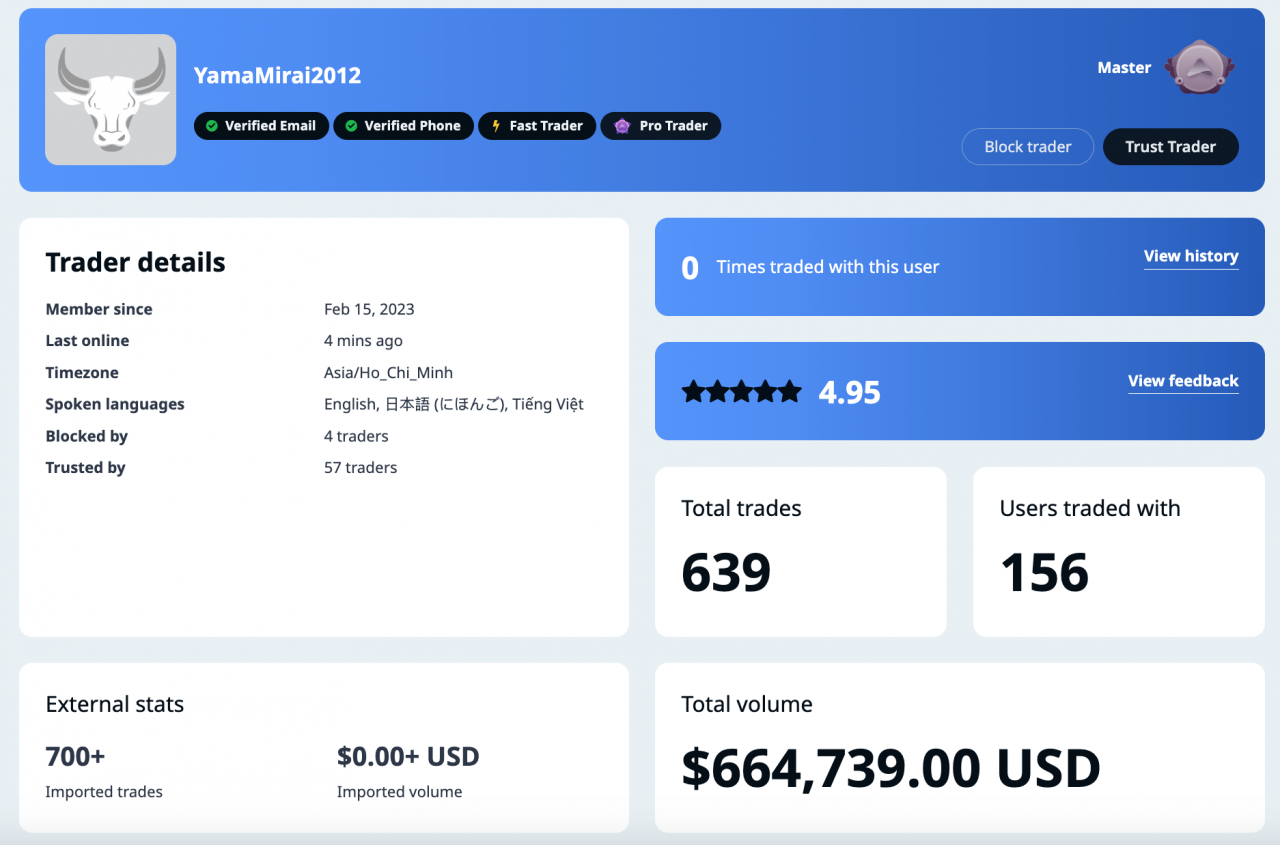
Buying Bitcoin, like any financial transaction, carries inherent risks. Understanding these risks and implementing appropriate security measures is crucial for a safe and positive experience. Neglecting security precautions can lead to significant financial losses. This section delves into common security risks, prevalent scams, and best practices for secure Bitcoin transactions.Bitcoin transactions, while generally secure, are susceptible to various threats.
Malicious actors exploit vulnerabilities in online platforms and human error to execute fraudulent schemes. By recognizing these threats and adopting proactive security measures, users can mitigate risks and safeguard their investments.
Common Security Risks in Bitcoin Purchases
Bitcoin transactions, while decentralized, still face risks associated with online platforms and human error. These risks encompass phishing scams, compromised accounts, and fraudulent exchanges. Users must be vigilant and take precautions to avoid falling prey to these dangers.
Scams and Fraudulent Schemes
Various fraudulent schemes target Bitcoin buyers. Phishing attacks are prevalent, tricking users into revealing personal information or credentials. Fake exchanges and counterfeit Bitcoin are also common, deceiving users into transferring funds to fraudulent accounts. Be wary of unsolicited offers and promises of high returns, as they often mask fraudulent intentions.
Best Practices for Secure Bitcoin Transactions
Robust security practices are paramount in safeguarding Bitcoin transactions. Utilizing strong, unique passwords for all accounts is crucial. Enabling two-factor authentication (2FA) adds an extra layer of security. Verify the legitimacy of platforms and exchanges, and avoid clicking on suspicious links or downloading suspicious files. It is also important to conduct thorough research and read reviews before making a purchase.
Examples of Avoiding Scams
Be wary of unsolicited messages promising high returns or offering Bitcoin at unusually low prices. Always verify the legitimacy of the platform through independent research. Never share personal information or credentials with unknown individuals or websites. Using reputable exchanges and wallets significantly reduces the risk of encountering fraudulent activities.
Table of Security Measures for Bitcoin Purchases
| Security Measure | Description | Implementation |
|---|---|---|
| Strong Passwords | Use unique and complex passwords for all Bitcoin-related accounts. | Employ a password manager, use a combination of uppercase and lowercase letters, numbers, and symbols. |
| Two-Factor Authentication (2FA) | Add an extra layer of security by requiring a code from a mobile device or authenticator app in addition to a password. | Enable 2FA on all Bitcoin wallets and exchange accounts. |
| Verify Platform Legitimacy | Thoroughly research and confirm the reputation and security measures of any Bitcoin exchange or platform before using it. | Check reviews, read security reports, and look for reputable security certifications. |
| Avoid Suspicious Links and Downloads | Refrain from clicking on suspicious links or downloading files from untrusted sources. | Verify the sender’s identity before opening any links or attachments. |
| Secure Wallets | Store Bitcoin in reputable and secure wallets. | Utilize hardware wallets for enhanced security. |
Buy Bitcoin – General Information
Buying Bitcoin, a digital or cryptocurrency, has become increasingly accessible. This process involves utilizing various platforms and methods, each with its own set of advantages and disadvantages. Understanding these nuances is crucial for making informed decisions and ensuring a smooth transaction.Navigating the landscape of Bitcoin exchanges and payment methods can seem daunting. This section provides a comprehensive overview of the process, from initial selection to final transaction, equipping you with the knowledge to confidently buy Bitcoin.
Methods for Purchasing Bitcoin
Several methods exist for acquiring Bitcoin, catering to diverse needs and preferences. The most prevalent methods include using bank transfers, credit/debit cards, or other digital payment systems. Each method comes with varying degrees of speed, cost, and security considerations.
- Bank Transfers: This method often involves a transfer from a linked bank account to a designated exchange account. It generally results in slower processing times compared to other options, but often has lower fees. The security of the process depends heavily on the exchange’s security measures and the user’s own security practices.
- Credit/Debit Cards: Many exchanges facilitate Bitcoin purchases through credit or debit cards. This offers a quick and convenient method for acquiring Bitcoin, but transaction fees are often higher. Consider the specific fees charged by the exchange and your card issuer when evaluating this option.
- Digital Payment Systems: Platforms like PayPal or other digital wallets enable the purchase of Bitcoin directly from the exchange. This method combines convenience with a certain degree of security, but it’s crucial to verify the security of the platform and associated exchange.
Steps Involved in Buying Bitcoin
The process of purchasing Bitcoin generally involves a series of steps. This Artikel will help users understand the typical procedures.
- Account Creation: Select a reputable Bitcoin exchange and create an account. This usually involves providing personal information and verifying your identity to comply with regulatory requirements.
- Funding the Account: Deposit funds into the exchange account using the preferred payment method. Verification of the payment method might be necessary.
- Placing the Order: Specify the amount of Bitcoin you want to purchase and the desired price. The exchange will display the current market price and associated fees.
- Confirming the Transaction: Review the transaction details, including the amount, price, and fees, before confirming the purchase.
- Receiving the Bitcoin: Once the transaction is completed, the Bitcoin will be credited to your account. The confirmation time depends on the chosen exchange and the transaction volume.
Comparison of Bitcoin Exchanges
Different exchanges offer varying features, fees, and security measures. Evaluating these aspects is crucial for selecting the optimal platform for individual needs.
| Exchange Name | Features | Fees | Security |
|---|---|---|---|
| Binance | Wide range of trading options, high trading volume | Variable, depending on trading volume and type | Robust security measures, including multi-factor authentication |
| Coinbase | User-friendly interface, strong regulatory compliance | Fixed percentage or tiered fees | Strong security measures, emphasis on user protection |
| Kraken | Advanced trading tools, diverse crypto options | Variable, depending on trading volume | Strong security measures, cold storage for assets |
| Gemini | Focus on security and user experience, good customer support | Fixed percentage or tiered fees | Robust security measures, including insurance for user funds |
Buy Bitcoin – Case Studies
Navigating the world of cryptocurrency, including Bitcoin, involves understanding both the potential rewards and the inherent risks. This section explores real-world examples of successful and unsuccessful Bitcoin purchases, highlighting the importance of research and due diligence in this dynamic market.Successful Bitcoin purchases often stem from a well-defined investment strategy, meticulous research, and a cautious approach. Conversely, difficulties can arise from impulsive decisions, insufficient due diligence, or vulnerabilities in chosen platforms.
Analyzing case studies provides valuable insights into common pitfalls and best practices for navigating the complexities of Bitcoin acquisition.
Successful Bitcoin Purchases
Understanding the strategies behind successful Bitcoin purchases provides valuable insights. Successful investors typically conduct thorough research on various platforms, comparing fees, security measures, and user reviews. They prioritize platforms with robust security protocols and a transparent history. Furthermore, a well-defined investment plan, considering risk tolerance and financial goals, is a cornerstone of successful Bitcoin acquisition.
- A user, identifying themselves as “CryptoInvestor,” successfully purchased Bitcoin through a reputable exchange known for its low fees and secure infrastructure. Their meticulously planned strategy, coupled with continuous market analysis, enabled them to maximize their returns. Their experience underscores the importance of thorough research and a patient approach in this market.
- Another investor, “TechSavvy,” leveraged a decentralized exchange (DEX) to buy Bitcoin. The advantage of using a DEX was the direct interaction between buyers and sellers, reducing intermediary costs. This approach allowed them to achieve a lower entry point for Bitcoin, highlighting the potential benefits of alternative platforms.
Difficulties Encountered During Bitcoin Purchases
Several factors can lead to challenges during Bitcoin purchases. A common problem is choosing a platform with insufficient security measures. This can result in the loss of funds due to hacks or vulnerabilities.
- A user, “BitcoinBeginner,” encountered significant difficulties after purchasing Bitcoin on a platform with a history of security breaches. Their funds were compromised due to the platform’s inadequate security measures, emphasizing the crucial role of platform reliability.
- Another user, “ImpulsiveBuyer,” made a purchase based on a short-term price prediction, failing to consider long-term market fluctuations. This resulted in a substantial loss, demonstrating the importance of a well-defined investment strategy that accounts for market volatility.
Different Scenarios Related to Buying Bitcoin
Diverse scenarios exist when purchasing Bitcoin, each with its unique challenges and considerations.
- New investors often face challenges understanding the complexities of Bitcoin and the various platforms available. Thorough research and educational resources are vital for them to make informed decisions.
- Experienced investors might encounter issues with specific exchanges, such as delays in transactions or unexpected fees. Staying informed about the latest updates and features offered by exchanges can help mitigate these issues.
Importance of Research and Due Diligence
Thorough research and due diligence are critical components of successful Bitcoin acquisition. Understanding the platform’s security measures, transaction fees, and user reviews can significantly impact the overall experience.
- Prioritizing platforms with robust security protocols and positive user reviews can minimize the risk of financial loss.
- Evaluating transaction fees and comparing them across different platforms is essential to maximizing returns.
Customer Reviews
Customer reviews offer valuable insights into the experiences of other users.
“Excellent platform with fast transactions and competitive fees. Highly recommend!” – SatisfiedUser
“I had a terrible experience with this exchange. My funds were frozen for several days, and customer support was unhelpful.” – FrustratedUser
“The platform is functional, but the fees are a bit high. Overall, a decent experience.” – NeutralUser
Illustrative Examples of Transactions
Bitcoin transactions, whether zero-fee or with standard fees, involve a complex interplay of cryptographic principles and network protocols. Understanding these processes is crucial for making informed decisions about purchasing Bitcoin. These examples illustrate different scenarios to help grasp the nuances of these transactions.
Bitcoin Purchase with Zero-Fee Claims
A user might encounter a service claiming to offer zero-fee Bitcoin purchases. In reality, these services often subtly include hidden fees, like platform transaction fees or markups on the Bitcoin price. These are often disguised as “convenience fees” or “processing fees,” which aren’t overtly stated in the advertisement. For example, a user might find a platform offering zero-fee Bitcoin purchases, but upon closer inspection, discover a 0.5% markup on the Bitcoin exchange rate, effectively negating the advertised zero-fee claim.
Bitcoin Purchase with a Standard Fee Structure
Standard Bitcoin purchases involve fees that compensate the network for processing the transaction. These fees are generally small and are dynamically adjusted based on network congestion. A user purchasing 1 Bitcoin from a reputable exchange might pay a fee of around $5 to $10 USD, which is included in the quoted price and is clearly visible. This fee covers the transaction’s inclusion in a block of transactions on the Bitcoin blockchain, and this fee is necessary to ensure that transactions are processed in a timely manner.
The amount of the fee can fluctuate based on network congestion and the size of the transaction.
Descriptive Example of a Secure Transaction
A secure Bitcoin transaction employs cryptographic methods to ensure the integrity and confidentiality of the exchange. A user, Alice, using a reputable exchange, initiates a purchase of 0.5 BTC from Bob. The transaction is encrypted and signed using cryptographic keys, preventing unauthorized access or modification. Alice’s wallet receives the funds, and Bob’s wallet reflects the transaction as completed.
This entire process relies on the integrity of the blockchain, ensuring the transaction’s immutability. No single entity can alter the transaction details after it’s recorded.
Transaction Details Tracking and Verification
Bitcoin transactions are meticulously tracked and verified by the blockchain. Each transaction is recorded in a public ledger, the blockchain. This ledger is distributed across a network of computers, making it incredibly difficult to tamper with. Verification involves validating the sender’s funds, the recipient’s address, and the transaction details. All participants in the network independently verify the transaction using cryptographic proofs, creating a secure and transparent system.
The entire history of the Bitcoin network, including each transaction, is publicly accessible.
Bitcoin Transaction Illustration (No Image)
Imagine a transaction as a digital message, a series of data points, which includes the sender’s Bitcoin address, the recipient’s Bitcoin address, and the amount of Bitcoin being transferred. This message is cryptographically signed by the sender to prove they authorize the transaction. The transaction is then broadcast to the Bitcoin network. Miners on the network validate the transaction and add it to a block of transactions.
This block is then added to the blockchain, making the transaction permanently recorded and verifiable. The process relies on cryptographic security and decentralized verification to ensure the transaction’s validity and immutability.
Future Trends in Bitcoin Purchases
The landscape of Bitcoin purchasing is constantly evolving, driven by technological advancements and market dynamics. This section explores potential future developments in Bitcoin acquisition methods, including innovative payment systems, fee structures, and security protocols. Understanding these trends is crucial for both investors and businesses looking to integrate Bitcoin into their operations.
Potential Advancements in Payment Systems
Emerging technologies are poised to streamline Bitcoin transactions. Decentralized finance (DeFi) platforms are likely to play a significant role in facilitating seamless Bitcoin purchases. These platforms offer alternative payment methods and potentially lower transaction costs. For example, stablecoins pegged to fiat currencies could simplify Bitcoin purchases for users unfamiliar with cryptocurrency.
Predicted Changes in Fees and Transaction Times
Bitcoin transaction fees and processing times are expected to continue to evolve. Improvements in blockchain technology, such as layer-2 solutions and scaling mechanisms, could reduce transaction fees and significantly shorten confirmation times. The rise of Lightning Network is one example of how these innovations can reduce fees and speed up transactions. The impact on average user experience will vary depending on the adoption rate of these new technologies.
Evolution of Bitcoin Purchase Security Protocols
Enhanced security protocols are essential for protecting Bitcoin users from fraud and theft. Biometric authentication, multi-factor authentication (MFA), and advanced encryption methods are likely to become more prevalent. For example, the integration of hardware wallets into purchase platforms can further enhance security by securing private keys offline. This evolution reflects the growing sophistication of cyber threats and the need for robust security measures.
Future of Zero-Fee Claims
The prevalence of “zero-fee” claims for Bitcoin purchases is uncertain. While technological advancements might lead to reduced transaction costs, achieving completely zero fees is likely a long-term goal, potentially dependent on factors like network congestion and scalability. While some services might offer near-zero fees, complete elimination is unlikely due to the inherent cost of maintaining and operating the Bitcoin network.
Final Conclusion
In conclusion, while the allure of zero fees is tempting, a thorough understanding of the underlying mechanisms is essential. This guide has provided a comprehensive overview, exploring alternatives, highlighting potential risks, and equipping you with the knowledge to make informed decisions. By weighing the pros and cons of different methods, you can confidently navigate the process of buying Bitcoin while prioritizing safety and security.
Key Questions Answered
What are the common security risks associated with buying Bitcoin?
Common security risks include phishing scams, fraudulent websites, and the misuse of personal information. Always verify the legitimacy of any platform or service before engaging in transactions.
What factors influence the fees associated with buying Bitcoin?
Transaction fees are often influenced by the chosen exchange platform, the transaction volume, and the speed at which the transaction needs to be completed.
How can I research and verify the legitimacy of a Bitcoin exchange?
Thorough research involves checking reviews, comparing fee structures, evaluating security measures, and examining the exchange’s reputation within the community.
What are the typical steps involved in buying Bitcoin?
Typically, the process involves creating an account, verifying your identity, depositing funds, selecting the Bitcoin amount, and confirming the transaction.